

How Are Supermarket Tiles Shaping Retail Flooring Standards Today?
2025-12-15
Supermarket tiles are a specialized category of commercial flooring designed to meet the demanding operational, safety, and aesthetic requirements of modern grocery and retail environments. As supermarkets continue to evolve toward higher efficiency, better customer experience, and stricter compliance standards, flooring systems play a critical but often underestimated role.
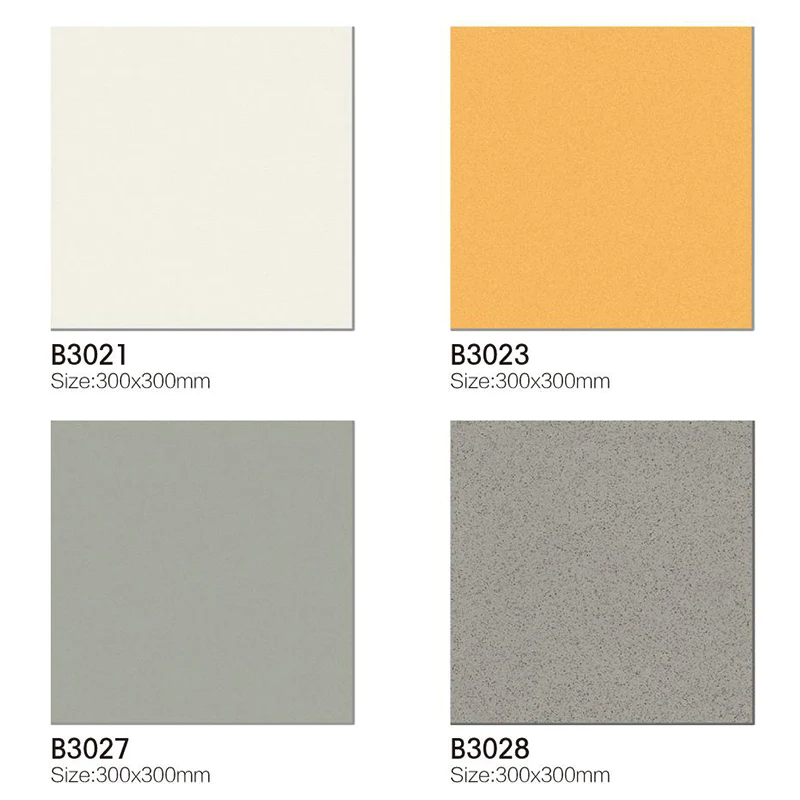
How Do Supermarket Tiles Meet the Operational Demands of High-Traffic Retail Spaces?
Supermarkets are among the most demanding commercial environments for flooring. Continuous foot traffic, shopping carts, pallet jacks, spills, temperature variation, and frequent cleaning cycles create conditions that standard floor tiles cannot withstand over time. Supermarket tiles are engineered to address these challenges through material composition, surface treatment, and structural design.
From a technical standpoint, supermarket tiles are typically manufactured using porcelain, vitrified ceramic, or advanced composite materials. These materials are selected for their density, low porosity, and resistance to abrasion. The firing temperatures during production often exceed 1,200°C, resulting in a compact tile body with minimal water absorption—an essential property for environments where liquids are frequently present.
Slip resistance is another core operational requirement. Supermarket aisles, produce sections, seafood counters, and refrigerated zones all present slip hazards. Supermarket tiles are designed with controlled surface textures or micro-structured glazes that provide measurable slip resistance without compromising cleanability. This balance is critical, as overly rough surfaces can trap dirt and increase maintenance costs.
Load-bearing performance also distinguishes supermarket tiles from standard commercial tiles. Heavy shelving units, stacked inventory, and mobile equipment exert static and dynamic loads on the floor. High-quality supermarket tiles demonstrate superior breaking strength and modulus of rupture, ensuring structural stability over long service periods.
Key technical parameters commonly associated with supermarket tiles include:
| Parameter | Typical Specification Range |
|---|---|
| Material Type | Porcelain / Vitrified Ceramic |
| Water Absorption | ≤ 0.5% |
| Slip Resistance Rating | R10–R12 (DIN standard equivalent) |
| Abrasion Resistance | PEI IV–V |
| Thickness | 8–12 mm |
| Breaking Strength | ≥ 1,300 N |
| Chemical Resistance | High (resistant to detergents and food acids) |
These parameters reflect the functional baseline required for supermarket flooring and explain why purpose-built tiles are essential for retail operators focused on durability and risk reduction.
How Do Supermarket Tiles Contribute to Hygiene, Safety, and Regulatory Compliance?
Hygiene management is a defining factor in supermarket operations. Flooring surfaces directly influence sanitation efficiency, contamination risk, and compliance with local health and safety regulations. Supermarket tiles are designed with these considerations integrated into their physical properties and installation systems.
Low porosity is central to hygienic performance. Tiles with minimal water absorption prevent liquids, bacteria, and food residues from penetrating the surface. This characteristic simplifies daily cleaning routines and reduces the likelihood of odor retention or microbial growth, particularly in fresh food zones.
Chemical resistance further supports hygiene protocols. Supermarkets rely on frequent cleaning with alkaline and acidic detergents, disinfectants, and degreasers. Supermarket tiles are formulated to maintain color stability and surface integrity under repeated chemical exposure, preventing degradation that could compromise cleanliness or appearance.
Joint design and installation methodology also play a role. Precision-calibrated tiles allow for narrow grout joints, minimizing dirt accumulation. In some installations, epoxy or antibacterial grout systems are paired with supermarket tiles to enhance sanitation performance and long-term cleanliness.
Safety compliance extends beyond slip resistance. Fire performance, thermal stability, and impact resistance are increasingly scrutinized by regulatory bodies. Supermarket tiles generally achieve high fire ratings due to their inorganic composition, contributing to safer retail environments without emitting toxic fumes during fire exposure.
From a compliance perspective, supermarket tiles help operators align with:
-
Local health department hygiene standards
-
Occupational safety regulations related to slip-and-fall prevention
-
Building codes governing fire resistance and material stability
-
Insurance risk management requirements
By integrating safety and hygiene at the material level, supermarket tiles reduce operational risk while supporting consistent regulatory compliance across multiple store locations.
How Are Design Flexibility and Lifecycle Efficiency Influencing Supermarket Tile Selection?
While performance is paramount, visual coherence and lifecycle cost efficiency increasingly influence supermarket flooring decisions. Supermarket tiles are now developed to balance functional robustness with design adaptability, enabling retailers to reinforce brand identity without sacrificing durability.
Color consistency and batch stability are essential for large-scale supermarket projects. Tiles used across expansive floor areas must maintain uniform tone and texture to avoid visual disruption. Advanced manufacturing controls allow supermarket tiles to achieve high chromatic consistency, even across multiple production batches.
Format diversity also enhances layout flexibility. Rectangular, square, and modular tile formats enable zoning strategies within the store—distinguishing fresh food areas, checkout zones, and storage corridors without using different materials. This visual zoning supports customer navigation while maintaining a unified flooring system.
From a lifecycle perspective, supermarket tiles offer measurable economic advantages. Their extended service life reduces replacement frequency, while resistance to wear minimizes the need for refinishing or surface treatments. When properly installed, supermarket tiles can maintain functional performance for decades, making them a cost-effective investment for large retail chains.
Lifecycle efficiency is further enhanced by:
-
Compatibility with underfloor heating in climate-controlled stores
-
Resistance to UV exposure from storefront glazing
-
Ease of spot replacement without disrupting adjacent areas
-
Stable performance under temperature fluctuations from refrigeration units
These attributes align supermarket tiles with long-term asset management strategies, particularly for retailers operating multiple locations with standardized maintenance protocols.
How Will Supermarket Tiles Evolve with Retail and Sustainability Trends?
The future of supermarket tiles is closely tied to broader retail transformation and sustainability priorities. As supermarkets integrate smart technologies, energy efficiency measures, and environmentally responsible sourcing, flooring systems are evolving accordingly.
Sustainable material sourcing is becoming a critical selection criterion. Manufacturers are increasingly incorporating recycled content into tile bodies and optimizing production processes to reduce energy consumption. Low-emission manufacturing and compliance with environmental certifications support greener retail construction and renovation projects.
Digital printing technology is also shaping the next generation of supermarket tiles. High-definition surface printing allows for realistic stone, concrete, or terrazzo aesthetics without relying on natural resource extraction. This approach supports sustainability goals while offering greater design versatility.
Another emerging trend is compatibility with smart maintenance systems. Tiles designed for consistent reflectivity and surface integrity improve the performance of automated cleaning equipment and in-store robotics. As supermarkets adopt automation to reduce labor costs, flooring systems must support these technologies without accelerated wear.
Common Questions About Supermarket Tiles
Q: How long can supermarket tiles realistically last in a high-traffic store?
A: When selected according to technical requirements and installed correctly, supermarket tiles can maintain structural and surface performance for 20–30 years. Their longevity depends on abrasion resistance, maintenance practices, and adherence to load specifications.
Q: Are supermarket tiles suitable for renovation projects without full floor removal?
A: Yes. Many supermarket tiles are compatible with overlay installation systems, provided substrate conditions meet flatness and load-bearing criteria. This allows renovation with minimal downtime, which is critical for operating retail environments.
As supermarket formats continue to evolve, flooring remains a foundational component that influences safety, efficiency, and brand perception. Supermarket tiles represent a convergence of engineering precision, regulatory compliance, and design adaptability, making them a strategic choice for modern retail spaces. Brands such as Beata focus on delivering supermarket tile solutions that align with these industry expectations, supporting retailers across diverse operational scenarios. For further technical details, specification guidance, or project consultation, interested parties are encouraged to contact us to discuss tailored supermarket tile solutions.