

Used Bulldozers Export: The Ultimate Guide for Global Buyers and Sellers
2026-05-17
Thinking of exporting used bulldozers but unsure where to start? The global heavy machinery market is booming, yet hidden pitfalls can cost you dearly. Whether you're a seasoned seller or a first-time buyer, understanding sourcing, quality checks, and logistics is your edge. With decades of hands-on experience, JILIANG CHI has become a trusted partner for clients worldwide, delivering reliable machines that keep projects on track. This guide unpacks everything you need to know—from inspection secrets to shipping strategies—so you can trade with confidence and avoid rookie mistakes.
Finding Trustworthy Sources for Used Bulldozers Abroad
When you begin hunting for a used bulldozer outside your home country, the sheer volume of listings can be overwhelming. Many buyers initially focus on major online platforms, but it’s wise to look beyond the most prominent names. Trade publications and industry forums often feature equipment from smaller dealers who may not have a massive digital footprint yet maintain solid reputations built over decades. Engaging with these niche communities can uncover machines that never make it to the big auction sites, and you’ll frequently find sellers who are more willing to negotiate and provide detailed maintenance logs.
Direct outreach to construction companies operating in regions with high equipment turnover can also yield promising leads. Many firms rotate their fleets on fixed schedules and are open to selling older units before they appear on any public listing. This approach requires a bit more legwork—cold emails, phone calls, or even visiting yards if you’re able—but it often results in a more transparent transaction. You get a firsthand look at how the machine was treated and can sometimes speak with the operator who used it daily.
Verifying a seller’s credibility goes beyond glancing at a rating or a few reviews. Request service records, engine hours verification, and if possible, arrange an independent inspection. A trustworthy source will never hesitate to share undercarriage reports or emission compliance documents. Be cautious of deals that seem too good to be true, especially when the seller pushes for quick payment or avoids answering specific technical questions. Taking these extra steps not only protects your investment but also helps you build a network of reliable contacts for future purchases.
What to Check Before You Commit to a Purchase
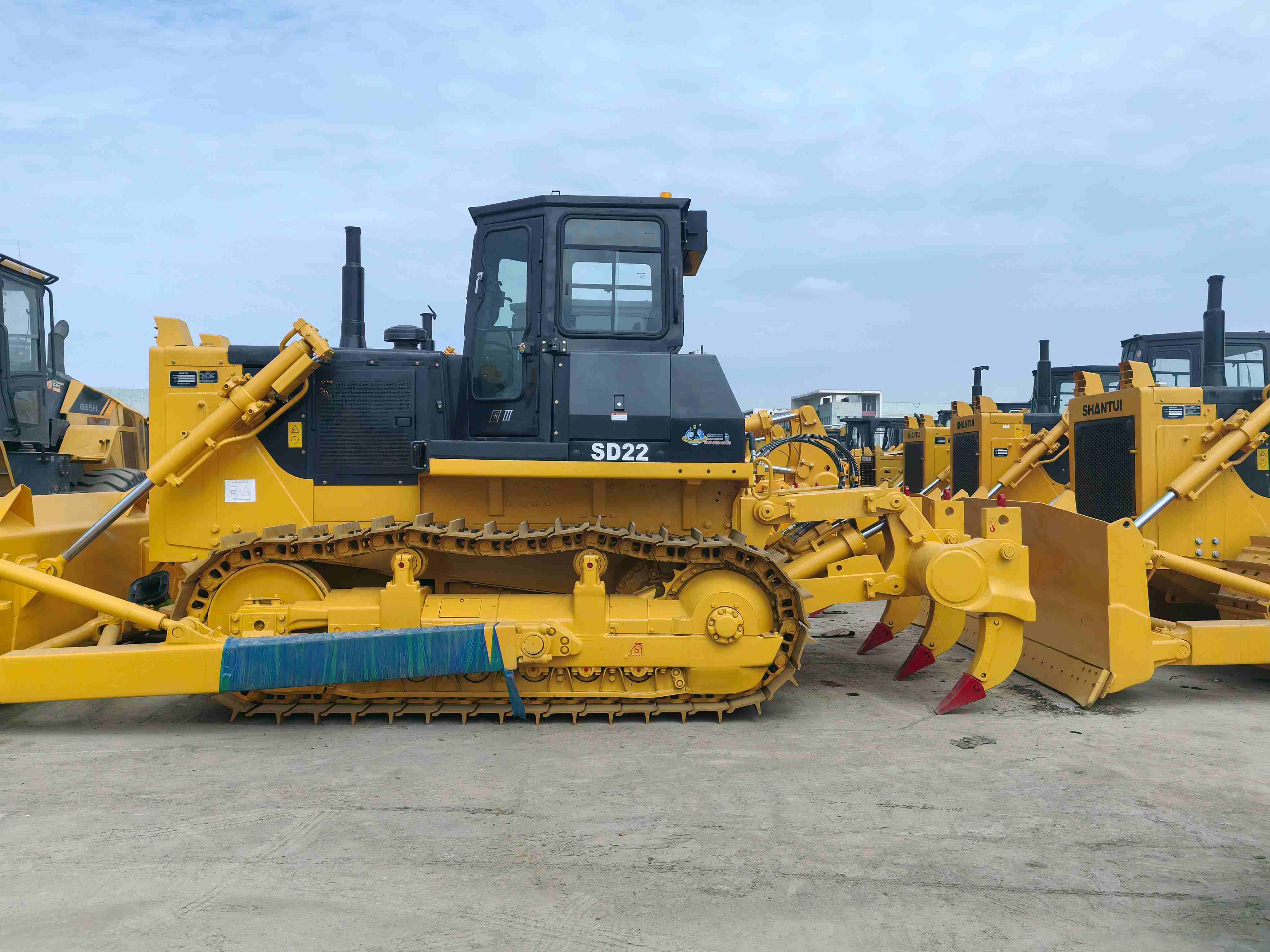
It's easy to get swept up by a product's marketing, but the spec sheet often tells a different story. Before you hand over your money, take a moment to see if those features actually line up with how you'll use the item day to day. That cleverly advertised function might look impressive, only to gather dust because it doesn't fit your routine.
Return policies and warranties are rarely exciting to read, yet they can save you a headache down the line. A shorter-than-expected return window or hidden restocking fees can turn a simple regret into a costly mistake. Similarly, a warranty that’s riddled with exclusions won't offer much comfort if something breaks a few months in.
User reviews can be a goldmine, but the trick is digging past the initial excitement. Look for feedback from people who've owned the product for a while—they'll clue you in on durability and quirks that a fresh unboxing never reveals. Watch for patterns, too; if multiple reviewers mention the same flaw, it's probably not a one-off.
Paperwork and Customs Demystified
Dealing with paperwork and customs can feel like navigating a maze blindfolded. But once you recognize that most of it comes down to a few repeating patterns, the fog starts to lift. Every international shipment follows a similar flow: an invoice, a packing list, a certificate of origin, and a handful of specific forms that depend on the commodity. Rather than memorizing every document, focus on understanding the logic behind them. Authorities aren’t trying to trick you—they just need proof of what the goods are, where they came from, and what they’re worth.
The real friction often happens because of small, avoidable errors. A typo in the commodity code, a mismatch between the invoice and packing list, or a missing electronic declaration can stall a shipment for days. Building a pre‑audit routine saves more time than it costs. For instance, cross‑checking the commercial invoice against the purchase order before handing it off to your broker catches nine out of ten issues. It’s the kind of boring discipline that makes everything else predictable.
Customs clearance isn’t a one‑size‑fits‑all game. What works for electronics into Germany might fail spectacularly for textiles into Brazil. That’s why working with a knowledgeable local partner isn’t just convenient—it’s protective. They’ll flag things like Brazil’s demanding labeling rules or the way certain Gulf countries require invoices to be notarized. Once you’ve traded with a country a few times, create your own playbook. Over time, you stop reacting to customs and start anticipating it, and that shift changes everything.
Shipping Heavy Machinery Without the Headaches
Moving massive equipment across the country or overseas shouldn’t feel like you’re gambling with your livelihood. The difference between a seamless delivery and a logistical nightmare often comes down to sweating the small stuff before the truck even arrives. Start by over-communicating dimensions, weight distribution, and any fragile components—surprises at the loading dock are the enemy of on-time delivery.
Packaging is where many shippers trip up, treating a 10-ton generator like it’s just a bigger version of a pallet of bricks. Custom crating, vibration dampeners, and weatherproofing aren’t optional upgrades; they’re your insurance against a forklift misstep or a week of ocean spray. If it can wiggle, it will—so strap, bolt, and brace like you’re preparing for an earthquake.
Finally, align yourself with a carrier who speaks the language of flatbeds, step decks, and permits, not just generic freight. The right partner will walk you through route restrictions, port handling quirks, and customs paperwork without making your eyes glaze over. That kind of proactive guidance turns a white-knuckle process into a boring check mark on your timeline—and boring is exactly what you want when shipping heavy machinery.
Pricing Trends That Actually Matter
Not every pricing shift deserves your attention. The ones that stick are rooted in how customers genuinely perceive value—not just what competitors are doing. When inflation pushes costs higher, smart businesses avoid across-the-board hikes and instead tie price changes to measurable improvements in experience or outcomes. This keeps customers from feeling nickel-and-dimed and frames the adjustment as a fair trade rather than a necessity.
Subscription overload is forcing a rethink of recurring revenue models. Buyers are more discerning than ever, auditing their monthly expenses and cutting what doesn't earn its keep. That means pricing plans must flex: usage-based tiers, hybrid models that blend one-time access with ongoing perks, and clear off-ramps that don't trap users. The trend isn't about chasing recurring revenue at all costs—it's about designing for loyalty when cancellation is just a click away.
Radical transparency is becoming a baseline expectation, not a differentiator. Hidden fees erode trust faster than a clunky interface, and savvy brands are disclosing total cost of ownership early—even if it's higher than a competitor's teaser rate. This shift also extends to how you communicate price increases: proactive, jargon-free explanations that reference real cost drivers (think raw materials or R&D) land better than last-minute notices. In short, pricing that feels honest and human isn't just nicer—it's what keeps your business in the conversation.
Building Long-Term Relationships in Export Markets
Genuine trust forms the bedrock of any enduring partnership abroad. Overseas clients don't simply buy products; they invest in reliability and mutual respect. Regular face-to-face visits, even when conducted virtually through well-timed video calls, demonstrate commitment far beyond a signed contract. Small gestures—remembering local holidays, acknowledging cultural nuances in communication, or promptly addressing a minor complaint with sincere follow-up—often leave a deeper impression than polished sales pitches. Over time, these consistent actions accumulate, transforming a transactional exchange into a collaborative alliance where both parties proactively share market insights and adapt strategies together.
Adaptability proves central to staying relevant in foreign markets. Successful exporters continuously fine-tune their offerings based on real feedback, not just annual reviews. This might mean adjusting packaging to suit local storage conditions, tweaking payment terms to match regional cash-flow cycles, or co-developing a product variant that solves a niche problem the local team identified. Such flexibility signals that you view the relationship as a two-way street. It also creates a switching cost based on problem-solving history rather than price alone. When challenges arise—and they inevitably will—the shared record of pragmatic collaboration becomes the buffer that keeps competitors at bay.
Longevity also depends on how well you empower your local partners. Instead of merely pushing inventory, top exporters invest in training the distributor's salesforce, providing marketing materials they can localize themselves, and even sharing leads from other regions. This approach builds a sense of ownership. When the local team sees you as a growth enabler rather than just a supplier, they champion your brand with an authenticity that no paid campaign can replicate. Over years, such relationships evolve beyond market fluctuations; they become self-reinforcing networks that weather economic shifts because the value exchanged extends far beyond the product itself.
FAQ
Used bulldozers offer substantial cost savings while still delivering reliable performance for earthmoving tasks. For many overseas projects, especially in developing regions, the budget can't stretch to brand-new machinery, but a well-maintained used machine can perform just as well for years. Plus, depreciation is far less severe, so resale value holds better if you need to upgrade later.
You should closely examine the undercarriage, as it's the most expensive wear component—check track tension, sprocket condition, and roller wear. Engine hours matter, but service history matters more; a machine with consistent maintenance records is safer than one with low hours and no history. Also test the blade, hydraulics, and cab controls for leaks or sluggish response. Don't skip a detailed inspection report or, ideally, an in-person check before committing.
It typically starts with securing a seller and agreeing on price and terms. Then you'll arrange a pre-shipment inspection, followed by handling export documentation like the commercial invoice, bill of lading, and certificate of origin. You'll need to comply with both the exporting country's regulations and the import rules of your destination—this often involves emissions standards or safety certifications. Finally, coordinate freight, whether RoRo (roll-on/roll-off) shipping or containerized transport, and ensure proper insurance coverage.
The US, Japan, and parts of Europe are dominant exporters. Massive infrastructure turnover and strict emissions regulations in these regions push relatively young used machinery into the global market. Japan's meticulous maintenance culture means many Japanese-used bulldozers are in excellent condition. The US benefits from sheer volume and a competitive market. European machines often meet higher environmental standards that align with many import regulations.
You'll need a clean title or proof of ownership, a detailed packing list, and the commercial invoice showing accurate value. A certificate of origin is critical for clearing customs and determining tariff rates. Depending on the country, you may also need an inspection certificate to prove the machine is free from soil and pests, as well as an emissions compliance document. Working with a freight forwarder who knows the destination's requirements can save weeks of hold-ups.
Always verify the seller's identity and track record—look for established dealers with verifiable physical addresses and third-party reviews. Use an independent inspection service before sending any payment; never rely solely on photos or seller descriptions. Insist on a secure payment method, like an escrow service or letter of credit, that protects you until the machine is verified and shipped. Be wary of deals that seem too good to be true; they usually are.
Freight costs can fluctuate wildly based on fuel prices and route availability, so get a binding quote. Import duties and taxes in the destination country can add 10–30% to the machine's value. Removal of the bulldozer from the seller's location, port handling fees, and inland transport at both ends also add up. Don't forget compliance modifications—like adding emission controls or safety features—that might be required before import approval.
Yes, but it's less straightforward than domestic deals. Some specialized lenders offer asset-based financing for cross-border transactions, using the bulldozer itself as collateral. You'll typically need a larger down payment and strong credit history. Alternatively, seller financing or lease-to-own arrangements are sometimes possible directly with exporters. It's wise to consult an international trade bank or a broker who understands construction equipment finance.
Conclusion
Finding trustworthy sources overseas for used bulldozers requires a mix of online legwork and offline verification. Websites hosted in the United States often list machines, but the best leads come from word-of-mouth referrals within industry circles. Whether you're browsing listings in the United Arab Emirates or contacting dealers in Japan, always cross-check the seller's history and demand recent photos and maintenance logs. When you think you've found the right machine, never skip the pre-purchase inspection. Look beyond shiny paint: measure track wear, test hydraulics under load, and confirm that the engine hasn't been tampered with. A qualified technician from the manufacturer can reveal hidden costs that will hit long after the sale. Once the deal seems solid, the paperwork pileup begins. Each nation has its own import rules—Europe's CE marking, South America's fumigation certificates, and Africa's age restrictions are just a few hurdles. A customs agent familiar with construction machinery exports will handle tariff codes and duty drawbacks, keeping you compliant and avoiding seized shipments.
Shipping the bulldozer to its new owner is rarely as simple as booking a slot on a vessel. Decide early between containerized shipping, which offers protection from the elements, and roll-on/roll-off service, which can be cheaper for self-propelled units. Factor in inland transport to the port, crane fees at both ends, and marine insurance that covers everything from rough seas to theft. When pricing your equipment, forget list prices on dealer lots—actual selling figures from recent exports are your true benchmarks. Monitor currency shifts and seasonal demand spikes; for instance, many buyers in the Middle East pause during summer heat, while Eastern European construction booms in spring. Savvy exporters also track used bulldozer auction results in specific horsepower classes. Beyond a single transaction, building lasting relationships is the hidden engine of export success. Provide post-sale support like parts sourcing advice and operator training tips. Stay in touch without spamming, share market insights, and treat small buyers as future volume clients. A reputation for fairness and reliability will bring referrals that no advertising budget can match.
Contact Us
Contact Person: Sally Xiao
Email: [email protected]
Tel/WhatsApp: 086-18221477398
Website: http://www.shjiliangchi.com/