
Unlocking Global Trade Efficiency: Navigating the Global Customs Data Platform
2026-04-13
Imagine navigating global trade with the precision of a seasoned expert, where every customs data point becomes a strategic advantage. In today's interconnected economy, access to real-time, accurate import-export information is no longer a luxury—it's a necessity for staying competitive. The Global Customs Data Platform stands at the forefront of this revolution, transforming raw data into actionable insights. At the heart of this innovation is Tendata, empowering businesses to decode market trends, identify opportunities, and streamline operations like never before. But what if you could unlock even deeper efficiencies? What hidden patterns lie within this vast data landscape? In this blog, we'll explore how leveraging such platforms can redefine trade strategies, driving growth and resilience in an ever-evolving global marketplace. Join us as we dive into the tools and tactics that turn data into your most valuable asset.
Understanding the Global Customs Data Platform
At its core, the Global Customs Data Platform serves as a centralized hub for international trade information, streamlining cross-border operations by aggregating customs declarations, tariff schedules, and regulatory updates from around the world. This integration not only reduces paperwork and delays but also provides businesses with real-time insights into compliance requirements and market trends, enabling more informed decision-making in a rapidly changing global landscape.
Unlike traditional systems that often operate in silos, this platform fosters collaboration among governments, logistics providers, and companies, creating a transparent environment where data sharing enhances efficiency and security. By leveraging advanced analytics, it can predict shipment bottlenecks or flag anomalies, helping to prevent fraud and ensure smoother supply chain flows, which is particularly valuable in industries like pharmaceuticals and high-tech where timing and accuracy are critical.
Moreover, the platform adapts to local regulations and international agreements, offering customizable modules that cater to specific regional needs without sacrificing interoperability. This flexibility, combined with user-friendly interfaces, empowers even smaller enterprises to navigate complex trade networks with confidence, ultimately driving economic growth and fostering a more connected global marketplace.
Key Features for Streamlining Trade Operations
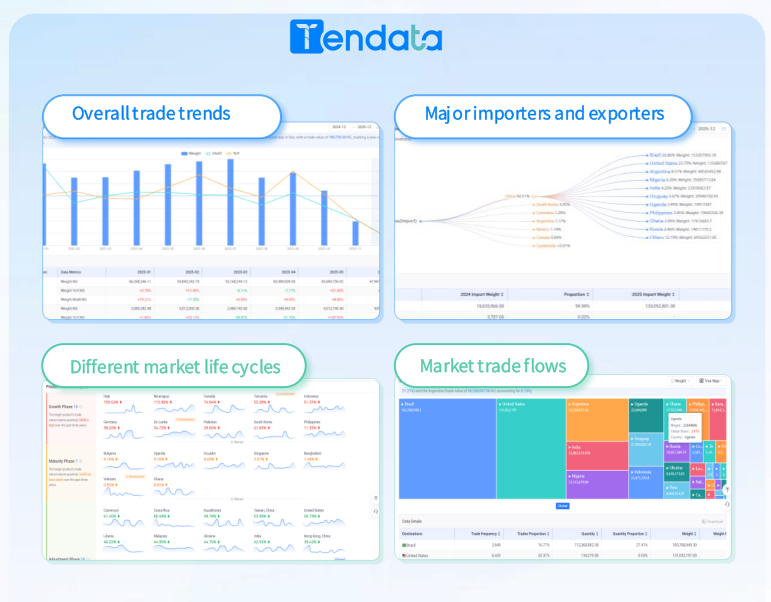
Think about how frustrating it is when your supply chain hits a snag because of outdated paperwork or miscommunication. Our streamlined trade operations are designed to cut through that clutter, offering tools like real-time tracking and automated document processing that keep everything moving smoothly. It's all about reducing delays and errors, so you can focus on growing your business instead of wrestling with logistics.
What sets us apart is our commitment to customization. Unlike one-size-fits-all solutions, we tailor our features to fit your specific trade needs, whether you're handling cross-border shipments or managing complex compliance requirements. This flexibility ensures that you're not just getting a generic package but a system that adapts to your unique challenges, making operations more efficient and less stressful.
In today's fast-paced market, speed is everything. That's why we've integrated predictive analytics into our platform, helping you anticipate potential bottlenecks before they become problems. By leveraging data insights, you can make proactive decisions that optimize routes, manage inventory better, and ultimately save time and money, giving you a competitive edge in global trade.
How Businesses Leverage Customs Data Insights
In today's fast-paced global market, savvy businesses are turning to customs data as a powerful tool to gain a competitive edge. By analyzing information from import and export records, companies can uncover patterns in supply chains, identify emerging markets, and predict trends before they become mainstream. This data offers a window into competitor activities, helping firms adjust their strategies in real-time, optimize procurement processes, and reduce operational risks associated with international trade.
Beyond basic analytics, advanced applications of customs data allow businesses to enhance compliance and streamline logistics. For instance, by scrutinizing shipment details and tariff classifications, organizations can avoid costly fines and delays at borders. This proactive approach not only ensures smoother cross-border transactions but also builds stronger relationships with customs authorities, fostering trust and efficiency in long-term operations.
Moreover, leveraging this data can drive innovation and customer satisfaction. Companies use insights from customs records to tailor products to regional preferences, manage inventory more effectively, and respond quickly to shifting demands. By integrating these data points into broader business intelligence systems, firms can make informed decisions that boost profitability and adaptability in a dynamic economic landscape, ultimately transforming raw data into strategic assets.
Enhancing Compliance and Reducing Delays
Navigating complex regulatory environments can often slow down business operations, but with proactive compliance strategies, organizations can streamline processes and minimize interruptions. By integrating automated checks and real-time monitoring systems, companies can identify potential issues before they escalate, ensuring adherence to legal standards without sacrificing efficiency. This approach not only keeps projects on track but also fosters a culture of accountability that reduces the risk of costly delays.
To further cut down on bottlenecks, adopting flexible frameworks that adapt to changing regulations is key. Many businesses find that customizing compliance protocols to their specific industry needs allows for quicker adjustments, preventing the common holdups caused by outdated procedures. Leveraging collaborative tools and internal training programs can empower teams to handle compliance requirements seamlessly, turning what was once a hindrance into a competitive advantage that drives smooth operations.
Ultimately, the goal is to shift from reactive compliance to a more dynamic model that anticipates challenges. By focusing on continuous improvement and data-driven insights, organizations can reduce delays significantly, ensuring faster turnaround times and enhanced reliability. This proactive stance not only meets regulatory demands but also builds trust with stakeholders, positioning companies for sustainable growth in fast-paced markets.
Real-World Applications in Global Supply Chains
In today's interconnected economy, global supply chains leverage advanced technologies like IoT sensors to monitor real-time conditions of goods in transit. For example, perishable food shipments use these sensors to track temperature and humidity, ensuring freshness from farm to table and reducing spoilage by up to 15%. Companies like Maersk have integrated such systems to enhance visibility across shipping routes.
Blockchain is another transformative tool, providing immutable records for transactions and inventory in cross-border trade. This application helps combat counterfeit products and streamlines customs processes, as demonstrated by IBM's Food Trust platform, which traces food origins to boost consumer trust and regulatory compliance worldwide.
Beyond logistics, AI-driven analytics are reshaping demand forecasting and inventory management, allowing firms like Walmart to dynamically adjust stock based on predictive insights, minimizing both shortages and excesses. These innovations underscore how practical applications drive efficiency and resilience in supply networks, adapting swiftly to global disruptions.
Future Trends in Digital Trade Management
As businesses continue to embrace the digital frontier, digital trade management is poised for significant evolution. One key trend is the increasing integration of artificial intelligence and machine learning into platforms that streamline customs compliance, logistics, and documentation. These technologies are enabling smarter, real-time decision-making, reducing delays, and cutting costs. For instance, AI algorithms can predict shipment disruptions before they happen, allowing companies to reroute goods proactively, enhancing supply chain resilience.
Another trend gaining traction is the rise of blockchain in digital trade management. By providing a decentralized, tamper-proof ledger, blockchain boosts transparency and trust among stakeholders in complex trade networks. It simplifies processes like trade finance and provenance tracking, making transactions more efficient and secure. This shift is particularly vital in an era where fraud and regulatory scrutiny are on the rise, offering a verifiable audit trail that traditional systems often lack.
Looking forward, we'll see a stronger emphasis on sustainability and ethical sourcing within digital trade management. Companies are leveraging data analytics to monitor their carbon footprint and ensure compliance with environmental standards. This not only meets growing consumer demands but also aligns with global initiatives for greener supply chains. As these trends converge, digital trade management will become more intelligent, transparent, and responsible, reshaping how global commerce operates in the coming years.
FAQ
It provides real-time access to customs regulations and trade data, helping traders streamline documentation processes and reduce clearance delays, ultimately cutting operational costs and enhancing supply chain predictability.
The platform employs advanced encryption protocols and complies with international data protection standards, ensuring that all user data is securely stored and only accessible to authorized personnel with role-based permissions.
Yes, it's designed with user-friendly interfaces and API integrations that allow SMEs to adopt it seamlessly without major technical overhauls, offering scalable solutions tailored to different business sizes.
Unlike standard tools, it combines predictive analytics for tariff changes, AI-driven compliance checks, and a global network of real-time updates, making it more proactive and comprehensive in managing trade risks.
It uses a dynamic database that automatically updates to reflect new laws and agreements across countries, providing alerts and guidance to help businesses stay compliant and avoid penalties.
The platform offers on-demand tutorials, webinars, and a dedicated support team accessible via chat or email, ensuring users can quickly learn and resolve issues as they arise.
By optimizing routes and reducing paperwork inefficiencies, the platform helps lower carbon emissions from logistics and promotes greener supply chain practices through data-driven insights.
Updates occur in real-time, with customs data refreshed as soon as it's available from global sources, ensuring users have the latest information for critical trading moments.
Conclusion
Navigating the complexities of global trade requires innovative tools, and the Global Customs Data Platform emerges as a pivotal solution in this landscape. Understanding the Global Customs Data Platform reveals it as a centralized system for accessing and managing international customs information, enabling businesses to gain real-time insights into trade flows, duties, and regulations. By leveraging customs data insights, companies can make informed decisions, such as optimizing shipping routes and forecasting market demand, thus enhancing operational efficiency. Key features for streamlining trade operations include automated document processing and integrated compliance checks, which collectively reduce manual errors and improve speed in handling cross-border transactions.
Enhancing compliance and reducing delays are direct benefits of this platform, as it helps businesses navigate regulatory requirements proactively, minimizing the risk of penalties and shipment hold-ups. Real-world applications in global supply chains demonstrate how firms use customs data to monitor inventory levels and adapt to disruptions, ensuring smoother logistics and cost savings. Looking ahead, future trends in digital trade management suggest increased reliance on artificial intelligence and blockchain for enhanced transparency and predictive analytics. This evolution positions the Global Customs Data Platform not just as a tool but as a transformative force in modernizing global commerce, ultimately unlocking significant trade efficiency and competitive advantage for businesses worldwide.
Contact Us
Contact Person: Grace
Email: [email protected]
Tel/WhatsApp: +86 18721992033
Website: https://www.tendata.com