
Top Waxed Cardboard Boxes: Your Ultimate Guide to Durable and Eco-Friendly Packaging
2026-06-13
In a world where sustainability meets strength, waxed cardboard boxes are redefining packaging standards. Whether you're shipping fresh produce, chilled goods, or delicate items, these moisture-resistant champions offer the perfect blend of durability and eco-friendliness. But what exactly makes them stand out, and how do you choose the right one for your needs? Here at ShiTeng Packaging, we’ve seen firsthand how the right waxed box can transform your supply chain. Dive into our ultimate guide to discover everything you need to know about these versatile containers—from material secrets to real-world applications that deliver both performance and peace of mind.
Waxed Cardboard Unwrapped: More Than Just a Box
Most people glance at a waxed cardboard box and see nothing more than a temporary container. But peel back that waxy surface and you’ll find a material engineered for resilience. The wax coating doesn’t just repel water—it turns ordinary corrugated paper into a rugged shield that can withstand slush, humidity, and the rough handling of transit. From fish markets to florists, these boxes keep their shape and strength when ordinary cardboard would turn to mush. It’s that silent performance that makes them a behind-the-scenes workhorse.
The real versatility shows up in how industries push these boxes beyond simple storage. Imagine a crate of fresh oysters traveling from the coast to a high-end kitchen; the waxed walls block moisture from seeping out and keep the precious cargo at a steady temperature. Gardeners use them to transport damp soil without leaks, and they’ve become a staple for ice-packed seafood displays. Even in hot, sweaty loading docks, the wax holds things together, buying extra time before breakdown. It’s not just a box—it’s a portable microclimate.
What elevates waxed cardboard further is its evolving role in sustainability. While traditional wax coatings once made recycling a headache, newer plant-based waxes are changing the game. Some designs now break down cleanly or get repurposed into composite materials. A used box might end up lining a chicken coop or protecting floors during a messy project. More companies are turning to these updated versions as a way to cut down on single-use plastics without sacrificing durability. The humble box is quietly getting smarter.
The Strength Behind the Shine: What Makes Them Last
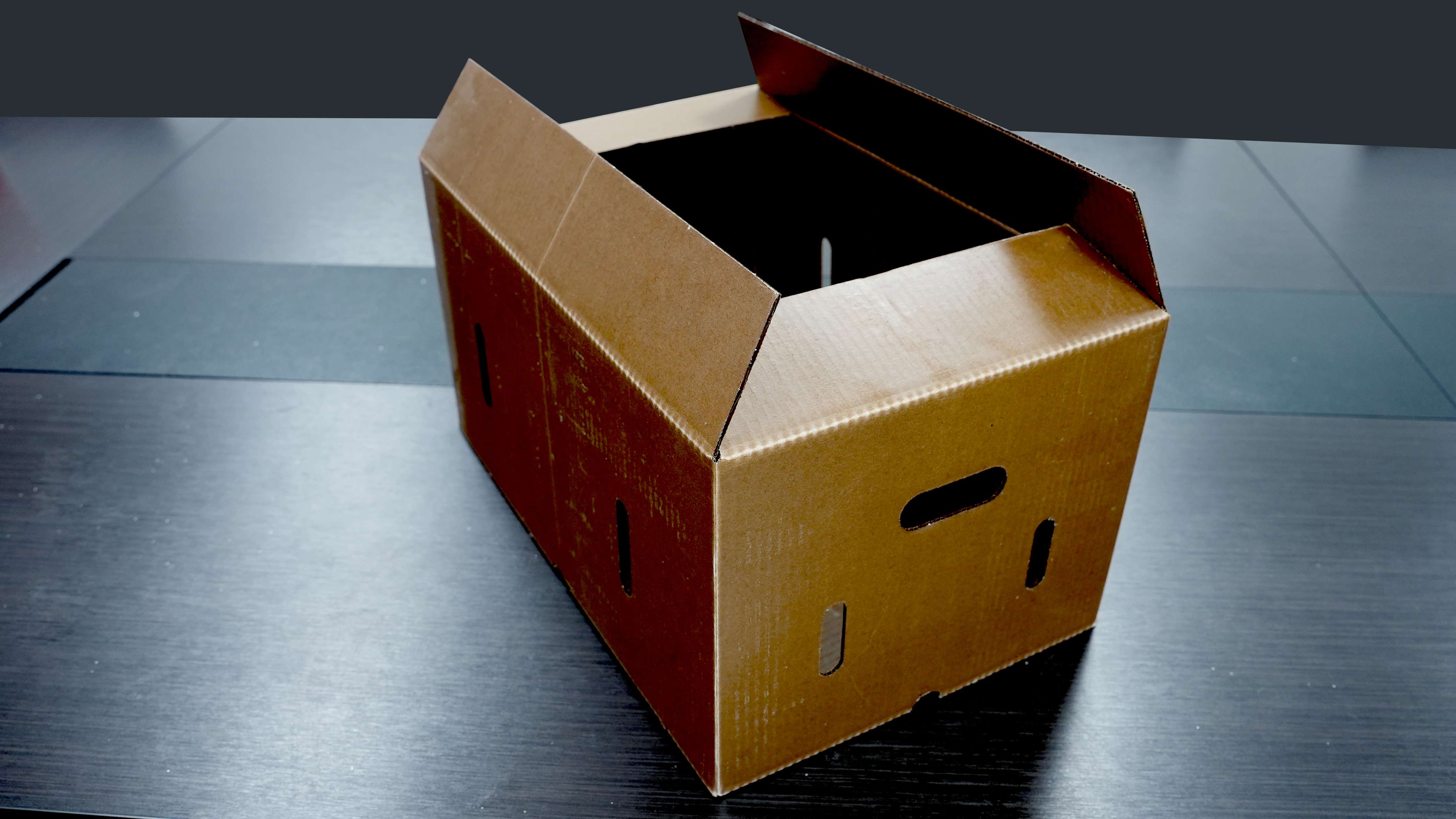
Durability starts long before the final polish. It’s in the deliberate choice of materials—whether that’s a high-carbon steel forged to resist wear or a polymer blend engineered to absorb impact without cracking. Each component is selected not just for how it looks in the light, but for how it holds up over years of handling, temperature swings, and the occasional drop. The real secret is that nothing is left to chance: every alloy, coating, and bonding agent is tested to the point of failure so that the finished product never has to show its limits in your hands.
Then there’s the invisible architecture—the way joints are reinforced internally, or how stress points are redistributed through subtle curves most people never notice. It’s the kind of thoughtfulness that doesn’t make it into a spec sheet, but you feel it when something still works perfectly after a decade. That quiet reliability comes from treating every edge and connection as a potential weak spot, and designing it out before the first prototype is even built. When done right, the shine isn’t just a surface; it’s the outward sign of a structure that refuses to quit.
Eco-Conscious Packaging Without the Compromise
Sustainable packaging often gets a bad rap for being flimsy or lacking visual appeal, but that outdated notion is quickly changing. Modern materials like molded fiber, biodegradable films, and recycled cardboard now rival traditional plastics in strength and clarity. Brands no longer need to choose between protecting their products and protecting the planet—they can have both without sacrificing the unboxing experience customers love.
The key lies in smart design and material innovation. Cushioning inserts made from mushroom mycelium or expanded starch provide shock absorption on par with foam, while plant-based inks and water-activated tape eliminate persistent pollutants. These solutions are lightweight, reducing shipping emissions, and they often end up in home compost bins instead of landfills. It’s packaging that works hard during transit and gives back to the earth afterward.
Beyond functionality, eco-conscious packaging tells a story that resonates. A minimalist, plastic-free parcel printed with subtle, natural motifs signals care and thoughtfulness before a customer even sees the product inside. This approach builds trust and aligns with the growing demand for responsible consumption—proving that sustainability can be a brand’s strongest statement, not a compromise.
Everyday Uses That Might Surprise You
Toothpaste has a sneaky side job beyond freshening your breath. A tiny dab on a soft cloth can buff out light scratches on smartphone screens or watches, and it works wonders on foggy headlights if you rub it in circular motions. Just make sure it's the plain white paste, not the gel kind with extra sparkles.
You might glance right past that box of baking soda in the fridge, but it's secretly a multi-tool. Mix it with a little water to form a paste, and you've got a gentle scrub for stained coffee mugs or even a way to soothe insect bites. Sprinkle it on carpets before vacuuming to pull out lingering odors, no perfume needed.
Old newspapers aren't just for lining birdcages or starting fires. Using them to clean windows with vinegar leaves a streak-free shine better than paper towels, and they can absorb dampness from shoes overnight. You can even shape crumpled pages into boot stuffers to help leather keep its form as it dries.
Picking the Perfect Box for Your Needs
Finding the right box starts with a clear idea of what you're storing or shipping. Think about the weight, size, and fragility of the item. A box that's too big leaves room for shifting, while one that's too small can put pressure on the contents. Take a moment to measure your item and add a bit of buffer for cushioning materials. This simple step can save you from damaged goods and wasted packing supplies.
Material matters more than most people realize. Corrugated cardboard offers great strength for heavier items, while a single-wall box might be all you need for lighter things like clothing or documents. If you're sending something that needs to stay fresh, consider insulated containers. And for valuable or breakable objects, double-walled boxes with reinforced edges provide peace of mind. Don't overlook the tape and padding—sometimes a sturdy box with poor sealing does just as much damage as a flimsy one.
Think beyond the object itself and factor in the journey. Will it sit in storage for a while, or travel across the country? Damp environments call for moisture-resistant coatings. Long-distance shipping might require stacking strength. And if the box will be handled a lot, smooth sides without protruding handles help it slide into place easily. The right box isn't just about size—it's about matching the packaging to the entire experience, from packing to unpacking.
Care Hacks to Extend Their Lifespan
Small, consistent efforts can make a world of difference when it comes to keeping your favorite items in good shape. Think about the things you use every day—your headphones, your kitchen knives, that cozy sweater. They all respond well to gentle handling. Instead of tossing things around, take an extra second to store them properly. Fold clothes along their natural seams, coil cables loosely without bending the ends, and wipe down surfaces before grime has a chance to build up. It’s these tiny habits that keep wear and tear at bay without much thought.
Notice the little warning signs your belongings give you before they give out entirely. A zipper that sticks, a wooden handle that feels rougher than it used to, a faint smell coming from your workout gear—these are all quiet pleas for attention. Addressing a loose thread right away stops it from becoming a tear. Oiling a hinge when it first starts to squeak prevents rust and breakage. It’s not about being precious; it’s about catching small issues before they demand a full replacement.
Sometimes the environment does more damage than anything else. Direct sunlight fades colors and weakens fibers. Moisture invites mold and warping. Even the heat from your body can break down certain materials over time. Rotating your items, giving them a break between uses, and keeping them in a stable, dry place adds years to their lifespan. A little airflow goes a long way, as does simply reading the care label or manual you usually ignore. These aren’t complicated tricks—just quiet acts of attention that pay off in the long run.
FAQ
They combine the lightweight structure of cardboard with a moisture-resistant barrier, so your products stay dry even in damp conditions. The wax also adds rigidity, helping the box hold its shape when stacked.
It depends on the wax used. Many now use plant-based, biodegradable waxes instead of petroleum-based ones. When sourced responsibly, these boxes can be composted or recycled in facilities that handle waxed materials—check local guidelines.
They really shine there. The wax coating prevents condensation from soaking into the fibers, so the box won’t turn soggy or collapse. It’s a go-to for chilled foods and outdoor shipments.
Recycling options exist but vary by area. Boxes with natural wax coatings often break down in industrial composters. For recycling, some mills accept them if the wax can be separated. It’s worth checking with your waste service.
Fresh produce, seafood, frozen goods, and even damp industrial parts. Anything that comes with moisture or needs to be kept crisp benefits from the added protection.
It adds minimal weight—sometimes just a few grams depending on thickness—and the cost difference is often offset by reduced product spoilage or damage. You’re paying for performance, not just material.
Yes, definitely. Paraffin wax is common and cheap but not biodegradable. Soy or vegetable-based waxes are eco-friendlier and still provide excellent moisture resistance. Look for boxes that specify the wax source if sustainability is key.
Check the thickness (measured in GSM or point), the type of wax, and if it's double-walled for heavy items. Reputable suppliers often share test results for burst strength and water resistance. A quick sample order can tell you a lot.
Conclusion
Waxed cardboard boxes are a masterclass in functional design, merging the lightness of paper with a durability that borders on plastic-like resilience—without the guilt. The wax isn’t merely a surface sheen; it soaks into the fibers, creating a waterproof barrier that shrugs off splashes, dampness, and even greasy residues. This makes them ideal for humid warehouses, refrigerated transports, or outdoor events where ordinary cardboard would crumble. Surprisingly, this toughness doesn’t demand a trade-off with sustainability. Many options use plant-based waxes and recycled paper, ensuring that after a long, useful life, the box can return to the earth or re-enter the production cycle. Choosing waxed cardboard means embracing a packaging solution that genuinely balances brawn and eco-friendliness.
Beyond logistics, these boxes find their way into creative and practical niches: use them as sturdy planters for wet soil, makeshift coolers for picnic drinks, or even durable art supply organizers that laugh off paint spills. Picking the right box isn’t a guessing game—consider whether you need a full wax dip for total submersion resistance or a coated surface for light moisture, and check the weight rating to avoid buckling. Once you’ve invested, a few maintenance habits keep them in prime shape: wipe with a vinegar solution to prevent mildew, stack carefully to maintain shape, and touch up minor nicks with a dab of melted wax. Treated right, these boxes outlast their plain counterparts many times over, proving that practical packaging can be both clever and kind to the planet.
Contact Us
Contact Person: Mr. Ge Man
Email: [email protected]
Tel/WhatsApp: 8613710506492
Website: https://www.shitengzx.com