
Top Outdoor Cladding Tiles: Durable and Stylish Solutions for Your Exterior
2026-03-10
When it comes to enhancing your home's curb appeal and protection, outdoor cladding tiles offer a winning combination of durability and style. In this post, we delve into top solutions that can transform your exterior into a stunning, resilient space. At the forefront of innovation stands Beata Ceramics, a brand renowned for crafting tiles that withstand the elements while elevating aesthetics. Get ready to explore practical insights and inspiring ideas to make your outdoor areas not just functional, but a true reflection of your personal taste.
Exploring the Most Durable Outdoor Cladding Tiles on the Market
When it comes to selecting cladding tiles for outdoor spaces, durability isn't just a feature—it's a necessity that defines longevity in the face of harsh weather conditions. The market offers a variety of materials, from classic porcelain to innovative composite tiles, each engineered to withstand elements like heavy rain, intense sunlight, and freezing temperatures. For instance, porcelain tiles often boast low water absorption rates, making them resistant to frost and moisture damage, while composite options might incorporate UV-stabilized polymers that prevent fading over time.
What sets the most durable choices apart is their ability to endure mechanical stress and maintain aesthetic appeal. Tiles with advanced surface treatments, such as anti-slip textures and stain-resistant coatings, not only handle foot traffic and accidental impacts but also reduce maintenance efforts. Brands are increasingly focusing on sustainability, offering recycled materials or tiles that last decades, reducing replacements and environmental impact—a key factor for eco-conscious homeowners.
By comparing real-world performance metrics, like impact resistance ratings and thermal expansion coefficients, buyers can make informed decisions. It's not just about picking the toughest tile; it's about finding one that balances durability with style, ensuring outdoor areas remain functional and inviting through years of use. Investing in high-quality cladding ultimately pays off in reduced repair costs and lasting beauty.
How to Achieve a Stylish Exterior with Modern Cladding Options
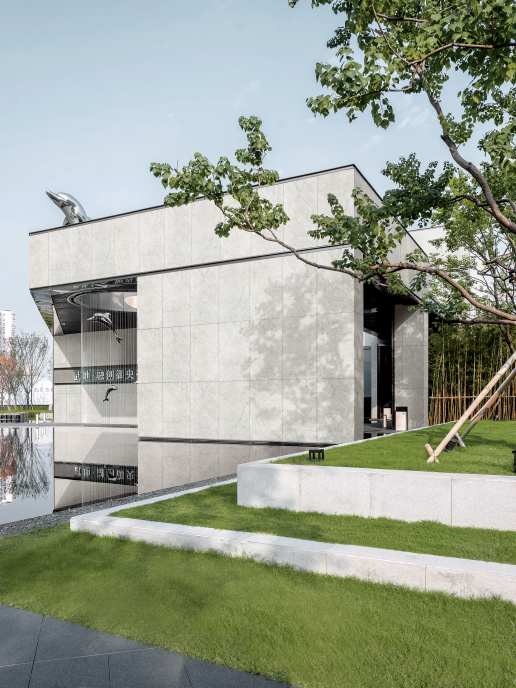
Transforming your home's exterior into a sleek and contemporary statement is easier than ever with today's advanced cladding materials. Beyond just protection from the elements, options like fiber cement, metal panels, and composite wood offer a range of textures and colors that can elevate curb appeal instantly. Whether you're aiming for a minimalist urban look or a warm, natural aesthetic, these modern solutions provide durability without sacrificing style, allowing homeowners to express their personal taste while ensuring long-term value.
When selecting cladding, consider how different materials interact with light and surroundings—for instance, reflective metal can create striking visual effects in sunny areas, while textured composites add depth to more subdued environments. It's not just about picking a product; it's about crafting a cohesive design that complements architectural features, landscaping, and even interior themes. By blending materials strategically, you can achieve unique facades that stand out in the neighborhood, making your home a true reflection of modern living.
Implementation also plays a key role in maximizing style: proper installation techniques can highlight clean lines and seamless joints, enhancing the overall effect. Working with experienced professionals ensures that the cladding not only looks great but performs reliably over time, resisting wear and weathering. In the end, modern cladding is more than a surface upgrade—it's an opportunity to redefine your home's identity, blending innovation with timeless appeal to create an exterior that turns heads and feels uniquely yours.
Key Factors to Consider When Selecting Outdoor Cladding Tiles
When picking outdoor cladding tiles, it's crucial to think about durability first, as these tiles face constant exposure to weather elements like rain, sun, and frost. Opt for materials known for their resilience, such as porcelain, natural stone, or certain types of composite, which can withstand temperature shifts and resist fading over time. This choice ensures your facade stays strong and looks good for years, reducing the need for frequent replacements or repairs.
Another key aspect is the aesthetic appeal; outdoor cladding sets the tone for your property's exterior. Consider colors, textures, and patterns that complement your building's style and surroundings, but also think about maintenance. For instance, darker tiles might hide dirt better, while textured surfaces can add character but may require more cleaning. Balancing beauty with practicality can result in a visually pleasing and easy-to-care-for finish.
Don't overlook installation and cost factors; hiring a skilled professional ensures proper fitting, which prevents issues like water infiltration or tile cracking down the line. Budget wisely by comparing upfront expenses against long-term value, including energy efficiency benefits or potential increases in property value. By weighing these considerations together, you can make an informed decision that enhances both the functionality and curb appeal of your outdoor space.
Comparing Materials: Which Cladding Tiles Offer the Best Weather Resistance
When selecting cladding tiles for a project, it's crucial to consider how different materials hold up against harsh weather conditions. Ceramic tiles, for instance, are highly resistant to moisture, UV rays, and temperature fluctuations, making them a durable choice for areas prone to heavy rainfall or intense sunlight. However, they can be brittle in extreme cold, potentially cracking under frost. In contrast, porcelain tiles, often denser and less porous, offer superior frost resistance and minimal water absorption, which helps prevent damage from freeze-thaw cycles. For coastal or humid regions, this makes porcelain a standout option, as it resists mold and mildew better than many alternatives.
Natural stone tiles like slate or granite provide excellent weather resistance due to their inherent strength and low porosity, but they require regular sealing to maintain their protective qualities. Without proper maintenance, they might stain or degrade over time in wet climates. On the other hand, composite materials such as fiber cement tiles are engineered for resilience, often outperforming natural options in terms of wind, hail, and fire resistance. They're lightweight yet robust, making them suitable for storm-prone areas where impact resistance is key.
Ultimately, the best weather resistance depends on the specific environmental challenges of your location. Weighing factors like durability, maintenance needs, and cost can guide you to the ideal cladding tile. For instance, if you're in a region with frequent temperature swings, porcelain might edge out ceramic, while composite tiles could be the top pick for high-wind zones. By comparing these materials side-by-side, you can ensure your exterior remains both beautiful and long-lasting against the elements.
Installation Tips for Long-Lasting Exterior Cladding Solutions
When it comes to installing exterior cladding for durability, choosing the right materials is just the beginning of the story. Many homeowners are surprised to learn that even premium cladding can fail prematurely if not installed with precision and care. This often boils down to proper surface preparation and moisture management, which are critical yet frequently overlooked aspects. For example, ensuring that the underlying sheathing or framing is securely fastened and free from defects can prevent warping and water infiltration over time. It's not just about slapping panels onto a wall; it's about creating a seamless barrier that withstands harsh weather and temperature fluctuations.
One key tip that sets successful installations apart is the attention to detail in sealing and spacing joints correctly. Unlike interior projects where minor gaps might go unnoticed, exterior cladding demands a meticulous approach to prevent water ingress and thermal bridging. Using high-quality sealants specifically designed for exterior use, and allowing for expansion joints based on the material's properties, can make all the difference in longevity. Neglecting this step often leads to costly repairs down the line, as trapped moisture can cause rot or mold issues that compromise the entire structure.
Another often-missed point is planning around the specific environment and climate conditions of your area. For instance, in regions with high humidity or frequent freeze-thaw cycles, selecting fasteners and installation techniques that resist corrosion and accommodate movement becomes paramount. Consulting local building codes and experienced installers can provide insights tailored to your situation, ensuring the cladding not only looks great but performs reliably for decades. Remember, a well-installed cladding system enhances curb appeal and protects your home's integrity, so investing time in these tips upfront pays off in the long run.
Innovative Designs and Trends in Outdoor Cladding for Enhanced Curb Appeal
Outdoor cladding has evolved far beyond mere protection, transforming into a dynamic element that defines aesthetic appeal. Today's trends push boundaries with materials like fiber cement siding that mimics natural wood or stone, offering durability without sacrificing style. Creative patterns, such as mixing horizontal and vertical panels, add visual interest and can make architectural features pop, while options like reclaimed wood or metal give a unique, personalized touch that sets homes apart in the neighborhood.
Innovative designs often focus on blending functionality with artistic flair, such as ventilated facades that improve energy efficiency while providing a modern, layered look. Color trends have shifted toward bold, contrasting hues or subtle earth tones that complement natural surroundings, enhancing curb appeal through thoughtful color blocking. Textures also play a key role, with options like ribbed metal or sculpted composites creating depth and shadow effects that change with the light, making exteriors visually engaging throughout the day.
To stand out, some designs integrate smart features, like modular panels that are easy to install or replace, allowing for effortless updates to a home's exterior. Eco-friendly trends, such as cladding made from recycled materials or with integrated solar cells, not only boost curb appeal but also appeal to environmentally conscious buyers. By prioritizing customization and sustainability, these innovations ensure that outdoor cladding is not just a surface treatment, but a statement piece that enhances overall property value and allure.
FAQ
Outdoor cladding tiles offer exceptional durability with weather-resistant properties, protecting homes from rain, UV rays, and temperature changes. They also provide stylish options for enhancing curb appeal, with materials like ceramic, stone, and composite tiles available in various colors and textures to suit modern or traditional designs.
Compared to traditional siding like wood or vinyl, outdoor cladding tiles typically require less frequent maintenance. They are resistant to rot, pests, and fading, often just needing occasional cleaning with water or mild soap to retain their appearance, making them a low-maintenance, long-lasting solution for busy homeowners.
Common materials include ceramic, porcelain, natural stone, and engineered composite tiles. For ultimate durability, porcelain and engineered composites excel due to their high density and resistance to moisture and frost, making them ideal for harsh climates, while natural stone offers a timeless look with good longevity.
Yes, outdoor cladding tiles are versatile and can be installed on various structures, from residential homes to commercial buildings. They are designed to withstand diverse climates, with options for cold, humid, or dry regions, but it's important to choose tiles rated for freeze-thaw cycles or high heat based on local weather conditions.
Installation requires attention to proper waterproofing, substrate preparation, and weight support, especially for heavier materials like stone. Hiring a professional installer ensures correct adhesive use and joint sealing to prevent moisture infiltration, which can extend the tiles' lifespan and maintain their aesthetic appeal.
Consider your home's architectural style and color palette. For a contemporary look, opt for large-format or geometric tiles in neutral tones; for rustic designs, textured stone or wood-look tiles work well. Many manufacturers offer samples to test how different tiles blend with your existing exterior elements like brick or stucco.
High-quality outdoor cladding tiles can last 20 years or more with minimal care. Regular cleaning to remove dirt and debris, along with occasional inspections for cracks or loose tiles, helps maintain their integrity. Some materials may benefit from sealing treatments, especially natural stone, to enhance stain resistance.
Conclusion
Achieving an exquisite exterior requires selecting cladding tiles that combine durability with modern aesthetics. The market offers a diverse range of materials, each with unique properties for weather resistance, ensuring long-term protection against harsh conditions. By exploring these durable options, homeowners can prioritize practicality without sacrificing visual appeal. Key factors such as material composition, maintenance needs, and environmental adaptability play crucial roles in making an informed decision, directly influencing the longevity and performance of the cladding solution.
Innovative designs and emerging trends further enhance curb appeal, allowing for creative expression through textures, colors, and patterns. Proper installation techniques are essential to maximize durability and prevent common issues like water infiltration or structural weakness. Combining stylish choices with expert installation tips results in a resilient exterior that stands out while enduring the elements. Ultimately, the best cladding tiles merge functionality with fashion, transforming buildings into lasting, attractive statements.
Contact Us
Contact Person: Emma
Email: [email protected]
Tel/WhatsApp: 8618064423698
Website: https://www.beataceramics.com/