

Top Cooler Bags to Chill Your Outdoor Adventures
2026-08-01
When the sun is high and the trail calls, nothing beats a cold drink at your campsite. But not all cooler bags are built to keep up with rugged outdoor escapades. That's where CHALLENGE WOLVES steps in—crafting insulated gear that's as tough as your adventures. Ready to upgrade your chill game? Our top picks blend ice-cold performance with ready-for-anything durability.
Keep Your Drinks Ice-Cold on Every Trail
There is nothing quite like reaching the summit and taking that first crisp sip of a perfectly chilled drink. Whether you prefer water, lemonade, or a sports recovery mix, keeping your beverage cold while trekking under the sun can feel like a small victory against the heat. The right gear makes all the difference—insulated bottles with double-wall vacuum technology can lock in the cold for hours, even when the trail temperature soars.
But it’s not just about the container. A few simple tricks can turn an ordinary hike into a refreshing experience. Freeze half of your drink the night before so it melts gradually, keeping the rest icy cold. Wrap your bottle in a damp towel or a neoprene sleeve to add extra insulation. And if you’re carrying a pack with a cooler compartment, toss in a reusable ice pack to create a micro-climate of chill. These little efforts pay off when you finally take a break and that first swig tastes like a mountain breeze.
Rugged Designs Built for the Wild
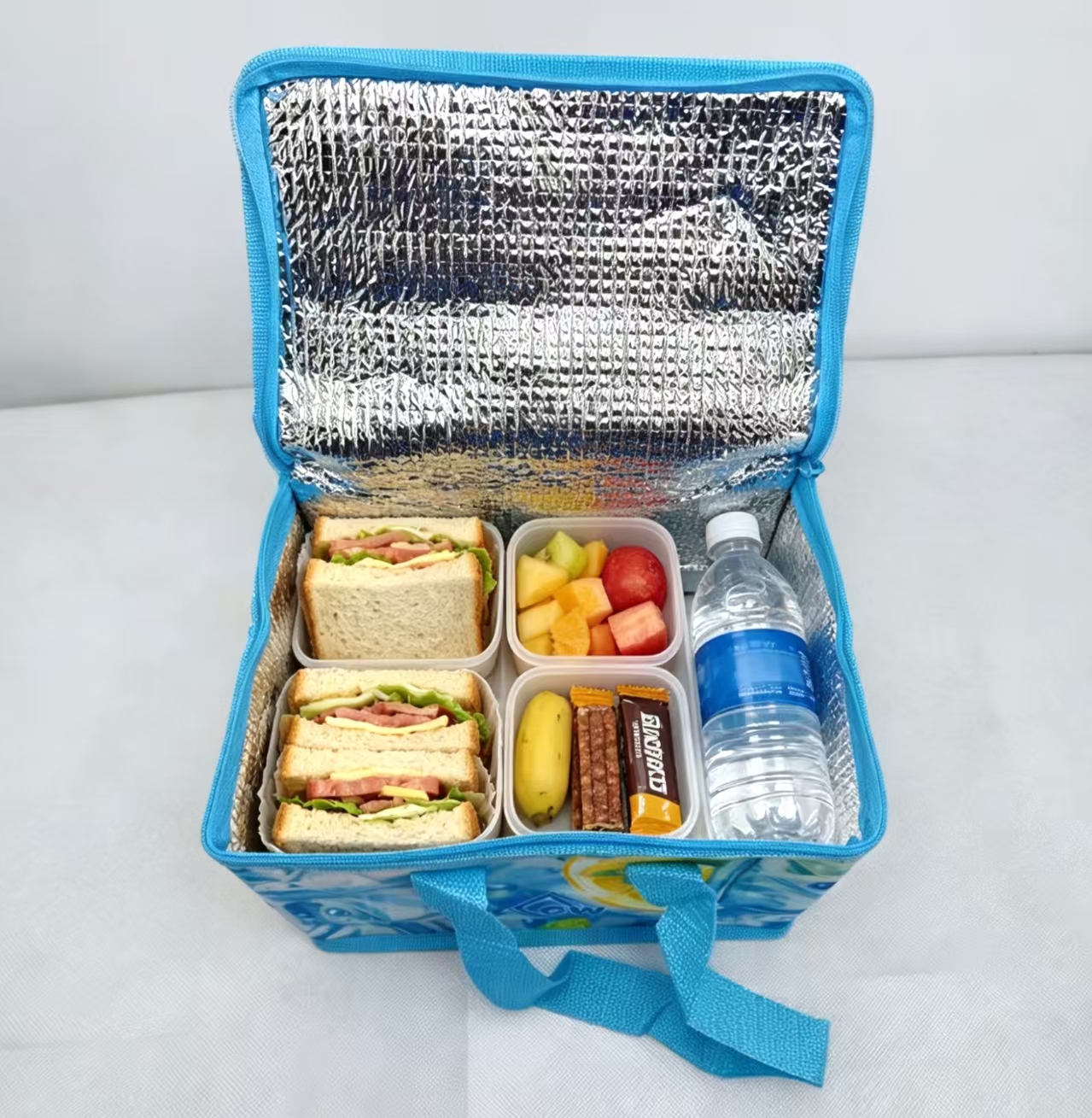
Every curve, material choice, and structural decision in these designs is a deliberate act of defiance against nature’s chaos. We don’t just shield gear from the elements—we engineer it to thrive in conditions that send others scrambling for cover. From sand-scoured deserts to icy ridges where a single misstep could crack a lesser frame, the architecture holds. It’s not about being overbuilt; it’s about being precisely tuned to the punishment it’ll face.
You’ll notice the hallmarks immediately—seamless bonding that eliminates weak points, shock-absorbing cores that laugh off drops onto granite, and textures that grip like a second skin even when drenched. But the real story lies in what you can’t see: the weeks of field testing where prototypes were drowned, baked, frozen, and rattled until we found the breaking point—then pushed it five percent further. That’s the threshold we ship. No lab can replicate the random violence of a trail, so we drag our work straight into the mud and scree until it proves it belongs.
This isn’t gear that needs a gentle hand. Scratches become character. Fades map your mileage. We design for function that outlasts fashion, knowing that the best stories come from the times you almost destroyed your equipment—and it laughed right back at you.
Lightweight Companions for Effortless Hikes
When every ounce matters, the right gear feels less like equipment and more like a silent partner that moves with you. A featherlight trekking pole that absorbs shock, a minimalist pack that hugs your frame without weighing you down—these aren't just tools, they're the difference between a slog and a dance through the wilderness.
Paring down to essentials doesn't mean sacrificing comfort. Modern ultralight fabrics and compact designs let you carry what you need without the bulk, freeing your mind to wander as easily as your feet. A collapsible water filter, a down jacket that stuffs into its own pocket, all tuck away until the moment demands them.
Choosing lightweight companions means rediscovering the joy of spontaneous exploration. You stop counting miles and start noticing the play of light through leaves, the sound of a hidden stream. The trail becomes less about endurance and more about connection, with gear that simply disappears into the experience.
Leak-Proof Magic for Mess-Free Picnics
Imagine stretching out on a checkered blanket, only to discover your carefully packed pasta salad has staged a saucy escape. Leak-proof magic starts with choosing containers that treat spills like an unwelcome guest. Silicone lids with clever locking mechanisms create a seal so tight, you’d swear they were vacuum-shut. Mason jars aren’t just trendy—they’re tiny fortresses for dressings and layered delights. If you’re carting soups or dips, invest in screw-top containers with a silicone gasket; they laugh in the face of bumps and tilts.
But hardware alone won’t save you—layering is your secret weapon. Place a beeswax wrap or a snug silicone stretch lid over salads before snapping on the main lid for a double barrier. For casseroles or pies, a taut layer of plastic wrap pressed directly onto the surface stops sloshing. Even better, freeze juice boxes or water bottles the night before; they double as ice packs and won’t weep condensation into your bread. And never underestimate a zip-top bag’s second life: slip condiment bottles inside, just in case they decide to dribble.
Pack like a puzzle master. Heavy, liquid-prone items ride at the bottom of your basket, wrapped in a tea towel for extra absorption. Delicate pastries and crackers claim the top, far from any chance encounters with moisture. A dedicated spill kit—just a few cloth napkins and a biodegradable waste bag—keeps frantic cleanups from becoming a spectacle. With these tricks, you’ll swap post-picnic scrubbing for lounging, because the only thing that should leak is the sunshine through the trees.
Stylish Coolers That Turn Heads at the Beach
Gone are the days when a cooler was just a clunky plastic box shoved under a beach umbrella. Today’s stylish coolers blend form and function so seamlessly that they’ve become part of your seaside ensemble. Imagine a retro-inspired metal cooler in a glossy mint green, its streamlined silhouette catching the sunlight as you stroll across the sand. Or a sleek, matte black roto-molded model with leather handles that looks more like a designer weekender than a food carrier. These aren’t just insulated containers; they’re conversation starters that make your spot on the shore feel curated.
What sets these coolers apart is the attention to detail—think bamboo cutting boards that double as lids, built-in bottle openers disguised as design accents, and color palettes that rival a boutique beach towel collection. Some brands even offer customizable panels so you can swap out the facade to match your mood or swimsuit. The materials have evolved, too: textured finishes resist sand and salt, while soft-touch latches close with a satisfying click. It’s the kind of gear that prompts strangers to wander over and ask where you got it, turning the simple act of grabbing a cold drink into a low-key social affair.
Beyond aesthetics, these coolers perform under pressure—keeping ice solid for days, floating beside you in the surf, or doubling as a sturdy seat when the beach chairs get scarce. They’re crafted for those who refuse to compromise between practicality and panache. So next time you pack for the coast, consider a cooler that doesn’t just chill your drinks; it elevates your entire beach vibe. After all, why settle for blending in when you can make a splash with something that truly reflects your style?
All-Day Freshness for Epic Camping Feasts
Nothing kills the vibe of a campsite meal faster than wilted greens or lukewarm drinks. That’s why we’ve obsessed over insulation that truly holds its own—think thick, seamless walls and a lid that seals like a fortress gate. Whether you’re cracking eggs at sunrise or pulling out perfectly chilled craft beers after a long hike, the inside stays stubbornly at the temperature you packed it. No electricity, no ice runs, just a simple box that seems to laugh at the midday sun.
The secret lies in a clever blend of old-school coolers and modern material science. A dense closed-cell foam core traps cold (or heat) in a way that flimsy lunch bags never could, while the exterior shrugs off dust, rain, and even the occasional clumsy stumble against a rock. Slide in a frozen stew from home and you’ll be ladling it out steaming hot hours later, or pack it with fresh-picked berries and they’ll still taste like morning dew when the fire’s crackling at dusk. It’s the kind of quiet dependability that turns a simple meal into a backcountry celebration.
And because real camping is messy, every surface inside can handle a direct assault from greasy pans or sticky marinades—then wipes clean without holding yesterday’s garlic rebellion. The drain plug means you can skip the awkward tipping-and-swearing ritual when it’s time to empty melted water; just tilt, let gravity do its thing, and get back to what matters. Day trips turn into overnighters, and fish you caught at dawn stays fresh until you’re ready to fry it under the stars. That’s not just convenience—it’s the freedom to stretch a campsite feast across as many hours as you like.
FAQ
A reliable cooler bag keeps your drinks cold and food fresh when you're miles from the nearest fridge. It shields your provisions from summer heat and lets you pack meals that normally wouldn't survive a hike, turning a basic outing into a comfortable picnic.
Think about the length of your trip and how many people are coming. For a solo half-day trek, a compact 12-can bag works perfectly and won't weigh you down. If you're packing lunch for a group, aim for something around 24 cans so you have room for sandwiches, snacks, and plenty of water.
It depends on your adventure. Soft-sided bags are lighter, easier to carry on a trail, and often collapse for storage when not in use. Hard-sided coolers hold ice longer and are tougher against rough handling, but they're bulkier. For most day trips, a soft bag wins on convenience.
Most standard cooler bags will keep ice solid for about a day if you pre-chill them and use quality ice packs. For a weekend campout, look for bags with extra-thick insulation and a leakproof liner. Freezing some water bottles beforehand also helps extend the cold without soaking your food.
Start with a chilled bag and layer ice packs at the bottom. Put heavier items like meats and large drinks there too, then stack lighter, crushable stuff on top. Keep drinks in a separate small cooler if you'll be opening it often, so the main bag stays sealed and cold.
Absolutely, and they're a game-changer for hiking or biking. These hybrid bags have padded shoulder straps, insulated compartments, and often extra pockets for keys or a phone. They free up your hands and balance the load evenly, making them way more comfortable than a shoulder-slung bag.
After each trip, empty it immediately and wipe the interior with a mix of warm water and mild soap. Leave it open to air dry completely before storing. For stubborn odors, a paste of baking soda and water can work wonders—just scrub gently, rinse, and let it dry. Never close a damp bag or you'll invite mildew.
Conclusion
When the sun's beating down and the trail stretches ahead, nothing matters more than reaching for a drink that's still shockingly cold. That's where the best cooler bags step in—not just as containers, but as silent heroes of every outdoor escape. They keep your beverages ice-cold mile after mile, thanks to advanced insulation that laughs in the face of summer heat. But these aren't the flimsy lunchboxes you remember; they're built tough with rugged, tear-resistant fabrics and reinforced zippers that take a beating on rocky paths without complaint. Lightness is baked into their design too, so you barely notice them on your back until thirst strikes. And when you finally stop for that well-earned picnic, leak-proof liners mean no soggy sandwiches or mysterious puddles—just effortlessly clean packing and unpacking, even with copious ice melt.
Beyond pure function, the right cooler bag adds a dash of personality to your adventures. Whether you're sprawled on a beach towel or gathered around a campfire, a stylish cooler can spark conversation and complement your vibe—think vibrant patterns or sleek, muted tones that look as good as they perform. They're designed for all-day freshness, holding enough sustenance for epic camping feasts without wilting under pressure. From tailgate parties to multi-day hikes, the ideal companion adapts without fuss, letting you focus on making memories rather than managing mess. It's that rare blend of practicality and flair that transforms a simple cooler into an essential piece of gear, ensuring every outdoor moment is savored, not just survived.
Contact Us
Contact Person: Tony
Email: [email protected]
Tel/WhatsApp: +8615859766913
Website: https://www.cw-pak.com