

Top Closed-Type Goggle Valve: Key Benefits and Applications Explained
2026-07-14
In industries where flow control demands absolute reliability, the closed-type goggle valve stands out as a critical component—yet it often flies under the radar. From petrochemical plants to steel mills, these valves handle the toughest isolation tasks, but not all are created equal. That’s where THT makes a real difference, engineering solutions that push beyond standard expectations. Curious how the right goggle valve can transform safety and efficiency in your operation? Let’s explore the key benefits and real-world applications that set top-tier designs apart.
What Sets Closed-Type Goggle Valves Apart?
Closed-type goggle valves stand out due to their unique ability to provide absolute isolation, making them indispensable in critical processes like gas handling or high-purity applications. Unlike conventional valves that rely on seating surfaces alone, these valves use a pair of spectacle-like blinds that physically separate the media from the downstream side when closed, eliminating even microscopic leakage. This design ensures that no cross-contamination or fugitive emissions occur, which is why they're a fixture in demanding settings such as steel mills, chemical plants, and power generation facilities.
Another differentiator is their visual confirmation of open or closed status. The clearly visible blank and bore plates remove any ambiguity, allowing operators to verify isolation without auxiliary instrumentation. This straightforward visual feedback reduces human error and enhances safety during maintenance or emergency shutdowns. Additionally, closed-type goggles often incorporate metal-to-metal seals with pressure-assisted sealing mechanisms, ensuring reliable performance even under thermal cycling or fluctuating pressures—features that set them apart from standard gate or ball valves.
Their robust construction and minimal maintenance requirements further solidify their reputation. With few moving parts and the ability to handle high temperatures, abrasive media, and corrosive environments, these valves deliver longevity where others fail. For instance, in coke oven gas systems or blast furnace operations, the closed-type design prevents slag and particulate buildup from compromising the seal, offering a level of durability that keeps plants running smoothly with less downtime.
The Hidden Strengths of This Valve Design
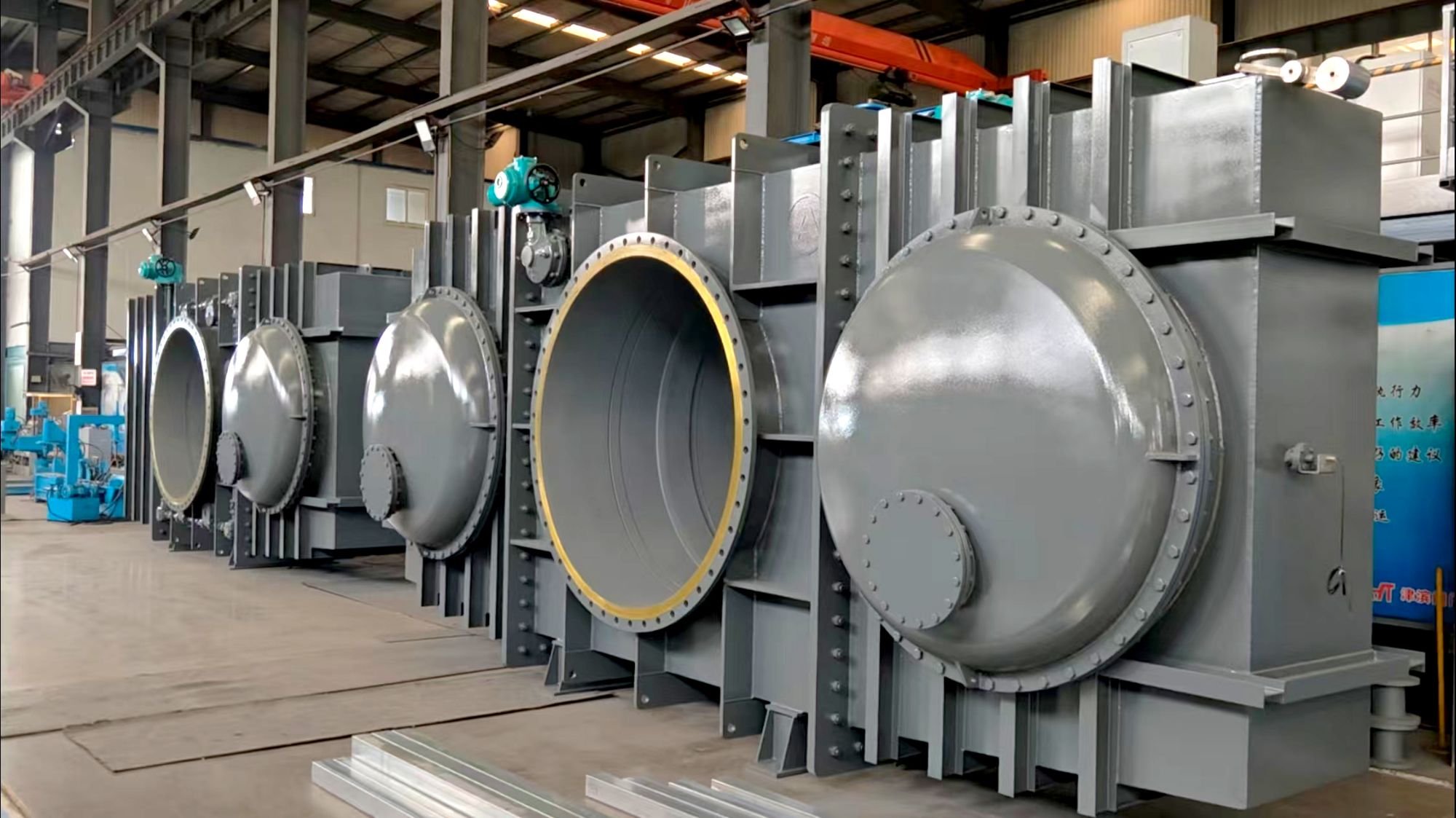
Most discussions around valve design focus on the obvious—flow capacity, pressure rating, or material cost. But a handful of subtle, almost overlooked engineering choices can quietly extend service life far beyond what the datasheet implies. Take the trim geometry, for instance. It’s not just about how much fluid passes through; a carefully shaped plug and seat interaction can dampen turbulence in ways that drastically reduce the micro-scale erosion that eats away at downstream piping. That’s not a bullet point in the catalog, but it’s something your maintenance team will notice after three years without a single hot tap repair.
Then there’s the balancing mechanism. It’s often a simple pressure-sensing chamber or a cleverly placed pilot port, but what it does is far from obvious: it smooths out the handwheel torque when the valve is cracking open against a high differential pressure. The operator doesn’t feel it as a “feature”—they just think the valve is easy to move. In practice, that consistent low-effort actuation prevents the kind of slam-and-surge events that hammer piping supports and loosen flanges over time. No special training required, just quieter, less leak-prone systems.
Another overlooked strength hides in the seat joint itself. In some configurations, the seat ring isn’t simply screwed into place; it’s designed with a slight radial interference that, as the valve body temperature cycles, makes the seal tighter rather than looser. The result is a drop-in replacement that never needs the term “fire-safe” thrown around in marketing because it naturally compensates for thermal expansion. It’s these decisions—made not for a spec sheet, but for the people who have to live with the valve for a decade—that separate a good design from one that just gets the job done.
Where Closed-Type Goggle Valves Truly Shine
In high-temperature and high-pressure steam systems, closed-type goggle valves really prove their worth. These tough environments demand absolute isolation, and the closed design eliminates any risk of leakage to the atmosphere, something that open-type valves simply can’t guarantee. Power plants and industrial boiler systems rely on them during maintenance shutdowns, where a single leak could lead to catastrophic steam loss or, worse, safety hazards for the crew. The sealed construction also prevents external contaminants from entering the system, keeping the steam loop clean and efficient.
Another area where they stand out is in chemical and petrochemical processing. Here, the media are often toxic, corrosive, or flammable. A closed-type goggle valve ensures that when the blanking plate is in place, there’s zero chance of even a micro-drip that could endanger equipment or personnel. I’ve seen operators breathe easier during unit turnarounds precisely because they trust these valves to provide that bubble-tight shutoff. It’s not just about compliance with safety protocols; it’s about real-world peace of mind when handling aggressive fluids like acids or hydrocarbons.
Long-term isolation scenarios also play to their strengths. Unlike temporary flow interruptions, situations where a pipe segment needs to be safely locked out for weeks or months demand a reliable mechanical barrier. The closed-type design shields the sealing surfaces from dust, moisture, and corrosion during that dormant period way better than an open variant. In underground pipelines or remote installations where regular inspection isn’t feasible, this durability translates into fewer unexpected failures and lower maintenance overhead. It’s a quiet workhorse that keeps showing up when failure isn’t an option.
A Smarter Way to Handle Challenging Fluids
Moving thick, sticky, or shear-sensitive fluids through a system often feels like a battle against physics. Too much force ruins product integrity; too little brings everything to a standstill. A smarter way doesn't just overcome these obstacles—it sidesteps them entirely. By rethinking the flow path and applying controlled, low-pulsation displacement, modern approaches preserve the delicate structure of emulsions, suspensions, and biological slurries while maintaining steady throughput. The pump becomes less of a brute-force tool and more of a careful guide, adjusting its rhythm to the fluid's own behavior.
What sets this apart from conventional methods is an almost intuitive adaptation to changing viscosities and particle loads. Instead of relying on oversized motors or aggressive impellers, the system works with a gentle, rolling motion that protects sensitive ingredients. Think of it as the difference between cramming clothes into a full suitcase versus carefully folding them around the edges—the latter respects the material and ultimately fits more. In industrial kitchens, pharmaceutical lines, or cosmetic manufacturing, that respect translates directly into higher yields, fewer rejects, and less downtime for cleaning.
The real innovation lies in how seamlessly this technology integrates into existing production cycles. It doesn't demand a complete line overhaul; it simply replaces the problematic transfer point with a unit that monitors its own performance and adapts in real time. Operators notice fewer alarms, less maintenance, and a product that looks and feels exactly as designed—every batch, every day. That's the quieter revolution: not a louder pump, but a smarter path for fluids that refused to be pushed around.
Real-World Applications You Might Not Expect
When you think of complex algorithms, your mind probably jumps to tech hubs and data centers. Yet these mathematical marvels have quietly slipped into some of the most unlikely corners of daily life. Take the art of sourdough bread, for instance. Bakers now use predictive models to optimize fermentation, accounting for variables like humidity and flour protein content that would take a human years to master. The result isn't a sterile, machine-made loaf but bread with a deeper, more consistent flavor that still carries the soul of traditional craftsmanship.
Then there’s the surprising presence of graph theory in social work. Agencies tackling homelessness have started using network analysis to map relationships between individuals and support services. Instead of a one-size-fits-all approach, they identify hidden bottlenecks—like a specific shelter's location or an understaffed mental health clinic—that, once addressed, ripple through the system to help more people. It’s a far cry from the typical image of social workers relying solely on intuition and empathy, though those qualities remain at the heart of the practice.
Perhaps the most whimsical example is how constraint-solving techniques ended up in the world of competitive puzzle design. Escape room creators now employ the same logic used in industrial scheduling software to craft puzzles that are challenging but never unfair. By treating each clue as a variable and each lock as a condition, they can simulate thousands of player journeys, ensuring that the ‘aha!’ moment lands just right. It turns abstract theory into tangible joy—proving that the most impactful applications of rigorous thinking aren’t always about efficiency; sometimes they’re about creating a perfect little universe of wonder for an hour.
Why Engineers Prefer This Valve for Critical Systems
Engineers tend to gravitate toward this valve in critical systems because it eliminates the guesswork from maintenance cycles. When you’re dealing with high-pressure steam or corrosive chemicals, the last thing you want is a component that fails without warning. This design includes built-in visual position indicators that let teams spot irregularities during routine walkthroughs, not just during scheduled shutdowns. The metal-to-metal seating surfaces, combined with a self-adjusting packing system, extend mean time between failures well beyond what you’d expect from standard offerings.
Another reason shows up in the operational data: this valve holds its flow coefficient under conditions that cause others to drift. In applications where even a 3% deviation triggers safety interlocks, that stability matters more than price tags. The stem sealing arrangement was developed from feedback at chemical plants where actuation frequency chewed through competitive products in months. Instead of swapping to exotic materials for every install, the trim options let engineers match the exact media without over-engineering the entire assembly.
What really locks in the preference, though, is how it handles transient spikes. Most critical systems don’t fail under steady loads – they fail when pumps kick on or steam traps blow. This valve’s dual-rate damping mechanism was field-proven in district heating networks that see 40% load swings before breakfast. That kind of abuse tolerance means control rooms see fewer nuisance alarms, which is exactly the kind of quiet reliability that makes a component disappear into the background of a well-run plant.
FAQ
A closed-type goggle valve is a specialized spectacle blind valve that creates absolute shutoff by swinging a solid blind into the flow path. Unlike standard gate or ball valves that rely on a moving gate or sphere, it uses a pivoting mechanism to completely block or open the line. The closed design means the blind and spacer are housed within a sealed body, preventing leaks to the atmosphere and making it ideal for hazardous media where zero leakage is critical.
Its biggest selling point is foolproof isolation—once closed, it provides a visible, metal-to-metal seal that can't be overcome by pressure or debris. Other perks include dual seating surfaces that self-align, minimal wearing parts, and the ability to handle high temperatures and abrasive slurries without jamming. Since the mechanism is fully enclosed, there’s no risk of external leakage, which is a game-changer for toxic or flammable fluids.
You’ll find them in oil refineries, chemical plants, and petrochemical facilities, particularly on furnace lines, reactor isolation, and wherever maintenance crews need guaranteed shutoff. They’re also common in power generation for boiler feedwater systems, in mining for slurry pipelines, and in marine tanker loading systems. Basically, any service where a leaking valve could lead to safety incidents or environmental spills calls for this kind of positive isolation.
Every time the valve operates, the disc rotates and slightly rubs against the seat faces, which scrapes away any buildup and continuously polishes the contact surfaces. This constant micro-lapping keeps the seal tight over thousands of cycles, even with sticky polymers or scaling fluids. In dirty services, it means you don’t have to manually clean the seats to get a bubble-tight shutoff—the valve essentially maintains itself.
Maintenance is straightforward but requires attention to a few details. The thrust bearings and pivot pins should be greased periodically through external fittings without disassembly. If the valve becomes harder to operate, it’s usually due to solids packing behind the disc or a misaligned actuator—not the seals themselves. A quick external flush or linkage adjustment often restores smooth operation. Major overhauls are rare; only after extreme cycles might you need to lap the seats or replace the disc seal ring.
First, match the pressure class and materials to the pipeline specs, but don’t stop there. Consider the media—if it’s sticky or abrasive, a wider disc clearance might be needed. The operating temperature range must align with the seat material (metal vs. soft-seated). Think about actuation: manual gear operators are fine for infrequent use, but automating with pneumatic or hydraulic actuators requires sizing for the torque under full differential pressure. Finally, verify the face-to-face dimensions, as these valves are often longer than standard gate valves.
Open spectacle blinds expose the blind when swung out, which can release toxic fumes or spray residual liquid during line breaks. The closed-type goggle valve keeps the spectacle plate inside a bolted body, so even during operation there’s no path to atmosphere. Maintenance crews can isolate the upstream and downstream sides without wearing full hazmat suits or worrying about sudden pressure puffs. It’s a passive safety feature that reduces the risk of operator error and environmental releases.
Conclusion
Closed-type goggle valves stand out due to their unique ability to completely isolate fluid flow, offering a level of safety and reliability that traditional valves simply cannot match. Unlike conventional designs, these valves incorporate a solid, spectacle-shaped plate that swings fully into the closed position, sealing off the line with a metal-to-metal or resilient seat. This eliminates any possibility of leakage, making them indispensable in processes involving hazardous or toxic media. Engineers value the hidden strength of this design—its dual-locking mechanism that ensures the plate stays securely in place, even under extreme pressure or temperature swings. Simple in construction yet rugged in performance, the valve requires minimal maintenance while providing a fail-safe shutoff, which is why it is favored in critical systems where failure is not an option.
What truly sets these valves apart is their versatility across industries that demand smart handling of challenging fluids like high-temperature slurries, corrosive chemicals, or abrasive mixtures. From steel mills and petrochemical plants to wastewater treatment, closed-type goggle valves excel where others quickly degrade. Their ability to operate reliably in dusty, slurry-prone environments, such as flue gas desulfurization units or blast furnace gas lines, surprises many who assume such simplicity comes with limitations. The design’s self-cleaning action during plate rotation reduces the risk of clogging, and the open-shut visual confirmation gives operators immediate assurance of the valve’s status. For applications requiring absolute isolation for maintenance or emergency shutdowns, this valve provides a leak-tight solution that goes beyond what gate or ball valves can achieve, solidifying its role as a smarter, longer-lasting choice in demanding fluid control scenarios.
Contact Us
Contact Person: Su Zhang
Email: [email protected]
Tel/WhatsApp: +86-25219206
Website: https://www.tht-valve.com/