

Top 10 Water Treatment Chemicals for Optimal Water Purification
2026-06-17
Water purification isn't just about filtration—it's a chemical chess game where the right moves mean the difference between crystal-clear safety and costly contamination. Whether you're managing a municipal plant or fine-tuning an industrial process, understanding your treatment arsenal is non-negotiable. In this guide, we break down the top 10 water treatment chemicals that keep systems running at peak performance, from coagulation to disinfection. And when precision matters, industry leaders like EVO deliver the specialty formulations that turn good water into great water. Ready to upgrade your purification strategy? Let’s dive in.
Why Coagulants and Flocculants Still Lead the Clarification Stage
Despite the rise of advanced technologies like membrane filtration and electrocoagulation, traditional chemical methods remain the backbone of water clarification. Their continued dominance stems from a unique combination of reliability, low cost, and versatility that newer systems have yet to match across such a wide spectrum of applications.
One key advantage is their ability to handle unpredictable water conditions. Municipal and industrial water sources often experience sudden spikes in turbidity, organic load, or flow rate. Chemical dosing can be adjusted almost instantly—something that physical or biological treatment units cannot do without complex automation. This flexibility keeps plants running smoothly during storm events, seasonal changes, or upsets in upstream processes.
Moreover, the chemistry itself has evolved. Modern coagulant blends and high-performance flocculants are engineered to work in specific pH ranges, reduce sludge volume, or target emerging contaminants like microplastics. Far from being outdated, these treatment aids have adapted to meet new environmental standards while preserving the simplicity that makes them so dependable.
Oxidizing Agents: Beyond Basic Chlorine Disinfection
Chlorine has long been the workhorse of water disinfection, but its limitations are pushing the industry toward more advanced oxidizing agents. While effective against many pathogens, chlorine can struggle with certain resilient microorganisms like Cryptosporidium and may produce harmful disinfection byproducts when organic matter is present. Facilities now frequently explore alternatives that offer broader-spectrum oxidation without the same chemical baggage.
Among the rising stars are ozone and peracetic acid, each bringing distinct advantages to the treatment process. Ozone rapidly inactivates a wide array of microbes and breaks down taste-and-odor compounds, yet it decomposes quickly and requires on-site generation. Peracetic acid, on the other hand, leaves behind fewer residuals and works well in wastewater settings, though its handling demands careful safety protocols.
The shift isn’t about abandoning chlorine entirely but rather deploying a tailored mix of oxidants to meet specific water quality goals. A growing number of plants combine ultraviolet light with low-dose chlorine or ozone to achieve multi-barrier protection without excessive chemical use. This integrated approach helps balance disinfection efficacy, cost, and environmental stewardship in ways that single-agent treatments rarely can.
pH Adjusters That Won't Overcomplicate Your Process
Finding the right pH adjuster shouldn't feel like solving a puzzle. Some options blend in smoothly without forcing you to rethink your entire workflow. Simple acids or bases often do the trick, and they don't demand constant monitoring or a degree in chemistry to use.
We've all been there—adding drop after drop of a pH adjuster only to overshoot and have to correct it with another. That back-and-forth eats up time and patience. The key is choosing adjusters that work predictably. Look for solutions with stable concentrations so you know exactly what each addition will do. A little goes a long way, and you won't find yourself stuck in a cycle of adjustments.
And let's not forget the ones that multitask. Some pH adjusters also act as buffers, holding the pH steady even when other ingredients are mixed in. That means fewer steps, fewer checks, and a process that hums along without constant tweaking. Why complicate things when you can pick something that just works and stays out of your way?
Corrosion Inhibitors: The Silent Lifespan Extenders
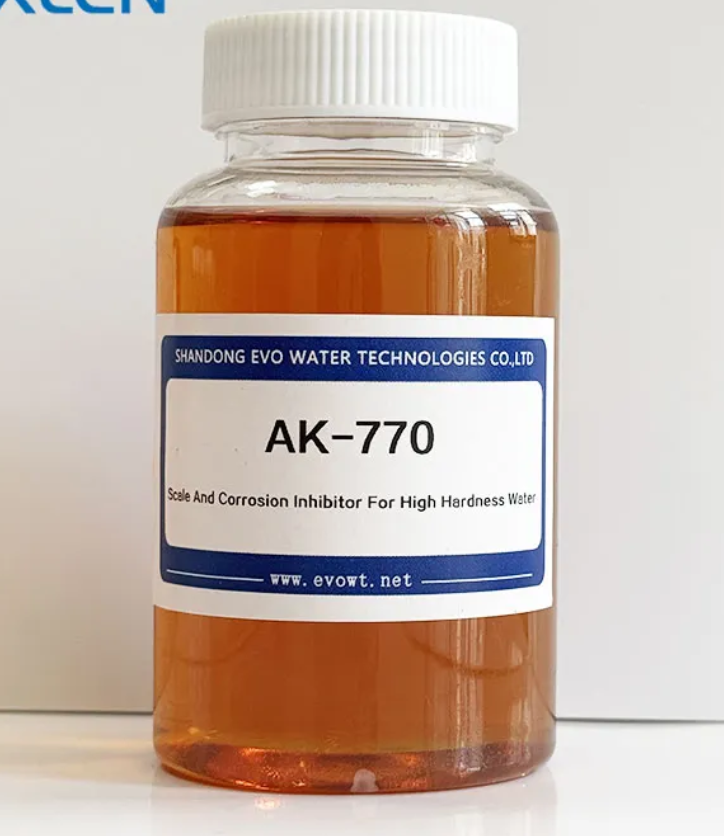
Corrosion inhibitors might not grab headlines, but they work tirelessly behind the scenes, quietly shielding metals from the relentless attack of moisture, oxygen, and aggressive chemicals. Think of them as microscopic guardians that slip into liquids or coatings, forming a barely-there protective layer that slows down rust and deterioration. Without them, pipelines would thin, bridges would weaken, and everyday machinery would fail far sooner than expected. They're the reason your car's engine coolant doesn't eat away at the radiator from the inside, and why industrial boilers keep running smoothly year after year.
The beauty of these compounds lies in their diversity—some latch onto metal surfaces like a molecular force field, while others neutralize the corrosive nasties already lurking in the environment. In oil refineries, they dodge the brutal heat and pressure to keep steel intact; in water treatment systems, they blend invisibly into the flow, preventing scale and pitting. It's not about stopping time entirely, but about stretching the useful life of critical infrastructure in ways that feel almost invisible until you realize just how long things last because of them.
What's often overlooked is how corrosion inhibitors adapt to their surroundings, smartly adjusting their behavior to match the specific threats at hand. Whether it's a thin film on a ship's hull braving saltwater or an additive in concrete protecting rebar from acidic rain, these silent extenders never take a break. They're a perfect example of how small, deliberate chemistry can create enormous savings—not just in money, but in energy and materials—by delaying the inevitable march of decay.
Heavy Metal Removal Agents for Stricter Standards
As discharge limits tighten across industrial sectors, conventional precipitation methods often fall short of achieving the low metal thresholds now required. Advanced heavy metal removal agents have been developed to target recalcitrant complexes and chelated metals that escape standard hydroxide or sulfide treatment. These formulations are designed to break strong ligands, allowing metals like copper, nickel, and zinc to be captured even from wastewater containing EDTA, ammonia, or cyanide. By forming highly stable, non-leachable precipitates, they consistently achieve effluent concentrations in the sub-ppb range, aligning with the latest regulatory mandates without compromising throughput.
A key advantage of modern removal agents is their selectivity and operational flexibility. Unlike bulk chemical approaches that generate excessive sludge and can be easily upset by fluctuating water chemistry, newer products maintain performance across a wide pH and temperature window. They integrate directly into existing treatment trains, often reducing the need for additional polishing steps such as ion exchange or membrane filtration. The result is a more resilient compliance strategy that lowers total operating costs while delivering the necessary precision for today's stricter standards.
Field experience shows that these agents not only meet but anticipate evolving regulations. Facilities that switch to targeted heavy metal removal agents report fewer permit violations and reduced administrative burden. Moreover, the denser, more stable sludge produced simplifies dewatering and disposal, addressing both environmental and economic pressures. As regulators continue to drive toward near-zero discharge limits, adopting effective removal chemistries becomes less an option and more a necessity for responsible industrial water management.
Algaecides and Biocides: Staying Ahead of Biological Growth
When microorganisms like algae, bacteria, and fungi find favorable conditions in water systems, they don’t just multiply quietly—they compromise performance and create serious maintenance headaches. Left unchecked, biological growth can form stubborn biofilms, block pipes, corrode equipment, and even release harmful toxins. That’s where algaecides and biocides step in, acting as targeted interventions that disrupt these organisms’ cellular processes, preventing colonization before it takes hold. The key is selecting the right chemistry and dosage for the specific environment, whether it’s a cooling tower, industrial reservoir, or decorative pond.
Modern formulations have moved far beyond simple chlorine-based treatments, offering a range of options that balance efficacy with environmental responsibility. Oxidizing biocides like bromine or chlorine dioxide provide rapid knockdown, while non-oxidizing alternatives such as glutaraldehyde or quaternary ammonium compounds deliver longer-lasting protection. Advanced programs now often combine multiple active ingredients in rotation, which not only broadens the spectrum of control but also reduces the likelihood of organisms developing resistance. This strategic approach keeps water systems clean without overdependence on a single chemical.
But even the best products fall short without consistent monitoring and adjustment. Water chemistry, temperature, and nutrient levels constantly shift, altering the pressure on biological communities. A sudden heat wave or influx of organic matter can trigger a bloom that demands immediate action. Smart operators use real-time sensors and periodic testing to track microbial activity, adjusting biocide feed precisely in response. By staying proactive rather than reactive, facilities can avoid costly downtime, maintain operational efficiency, and extend the lifespan of their infrastructure—all while keeping biological threats firmly in check.
FAQ
Chlorine, alum, and activated carbon are among the most common. Chlorine disinfects, alum clarifies by coagulation, and activated carbon removes odors and organic contaminants.
Coagulants neutralize the electrical charges of particles in water, causing them to clump together into larger flocs. These flocs can then be easily removed through sedimentation or filtration, reducing turbidity and removing some contaminants.
Chlorine and chloramines are the primary disinfectants. Chlorine is effective and economical, while chloramines provide longer-lasting residual protection. Ozone and chlorine dioxide are also used but require on-site generation.
pH affects everything from corrosion control to the efficiency of coagulants and disinfectants. Chemicals like lime, soda ash, or acids are used to maintain an optimal pH range, usually between 6.5 and 8.5, to ensure other treatment processes work effectively.
Activated carbon adsorbs organic compounds that cause taste, odor, and color problems. It can also remove certain pesticides, industrial chemicals, and disinfection by-products, making it valuable for both municipal and home treatment systems.
Yes, options like ultraviolet (UV) radiation, ozonation, and bio-based coagulants such as Moringa oleifera seeds are gaining traction. These methods reduce chemical residuals and by-products, though they may require specific conditions to be effective.
Conclusion
Achieving optimal water purification relies on a carefully selected suite of treatment chemicals, each addressing distinct challenges from initial clarification to final distribution. Coagulants and flocculants remain the backbone of the clarification stage, efficiently aggregating suspended solids for straightforward removal. Meanwhile, modern oxidizing agents have evolved far beyond basic chlorine disinfection, offering broader spectrum control over pathogens and organic contaminants without generating excessive disinfection byproducts. pH adjusters play an understated but critical role, fine-tuning the water chemistry to enhance the performance of other additives while keeping the treatment process uncomplicated and cost-effective. Together, these foundational chemicals set the stage for a robust treatment train that consistently delivers high-quality water.
Beyond the primary treatment steps, extending the lifespan and integrity of water infrastructure demands a second line of defense. Corrosion inhibitors silently protect pipes and equipment, preventing metal leaching and costly repairs over time. As regulatory standards tighten, heavy metal removal agents have become indispensable for capturing trace contaminants like lead and arsenic that conventional methods might miss. Finally, algaecides and biocides keep biological growth in check, safeguarding against biofilm formation and taste-and-odor issues from source to tap. When applied in a well-balanced program, these ten categories of chemicals—ranging from clarifiers to microbial controls—form a comprehensive barrier that ensures both purification efficiency and long-term system reliability.
Contact Us
Contact Person: Fiona Su
Email: [email protected]
Tel/WhatsApp: 8619963724144
Website: https://www.evo-chemical.com/