

Top 10 Strength Equipment for Building a Stronger Body
2026-08-26
Walk into any gym and you’ll see the same mistake: people loading bars before their joints are ready, skipping the tools that actually build durable strength. If you’re serious about getting stronger, your equipment choices matter more than your motivation. This list cuts through the noise with the top 10 strength equipment pieces for building a stronger body—from foundational racks to often-overlooked accessories. At Yingruis, we’ve tested enough gear to know what earns its place in your training space. Whether you’re upgrading a home gym or fine-tuning a commercial setup, these picks will help you train smarter and build a body that performs as well as it looks.
Why a Barbell Alone Won't Build a Balanced Body
A barbell locks your hands into a fixed position, which means both sides of the body lift the same weight at the same time. Over weeks of squatting, pressing, and deadlifting, your nervous system gets very good at finding the path of least resistance. Usually, that means the stronger side does a bit more work while the weaker side stays hidden. The result isn't just a strength gap you can measure on paper; it shows up as one hip sitting higher than the other, one shoulder rolling forward, or a ribcage that flares on only one side during a heavy pull.
Most barbell movements also stay in a single plane. You push up, you pull down, you hinge forward and back. That covers a lot of raw strength, but it leaves out almost everything your body does when it isn't in a gym: twisting to hand something to a passenger in the car, stepping sideways to catch a falling object, or balancing on one leg while pulling on a shoe. The small stabilizers around your ankles, hips, and shoulder blades don't get enough direct work, so they develop at a much slower rate than the big prime movers.
None of this means you should throw away the barbell. It just means the barbell can't be the whole story if you want a body that moves well outside a rack. Adding single-arm carries, split squats, landmine rotations, and lateral band walks fills in the gaps the barbell leaves behind. Without those, you end up with impressive numbers on the platform and a body that feels stiff, uneven, and surprisingly fragile in everyday life.
Adjustable Dumbbells Are the Real Space-Saving Powerhouse
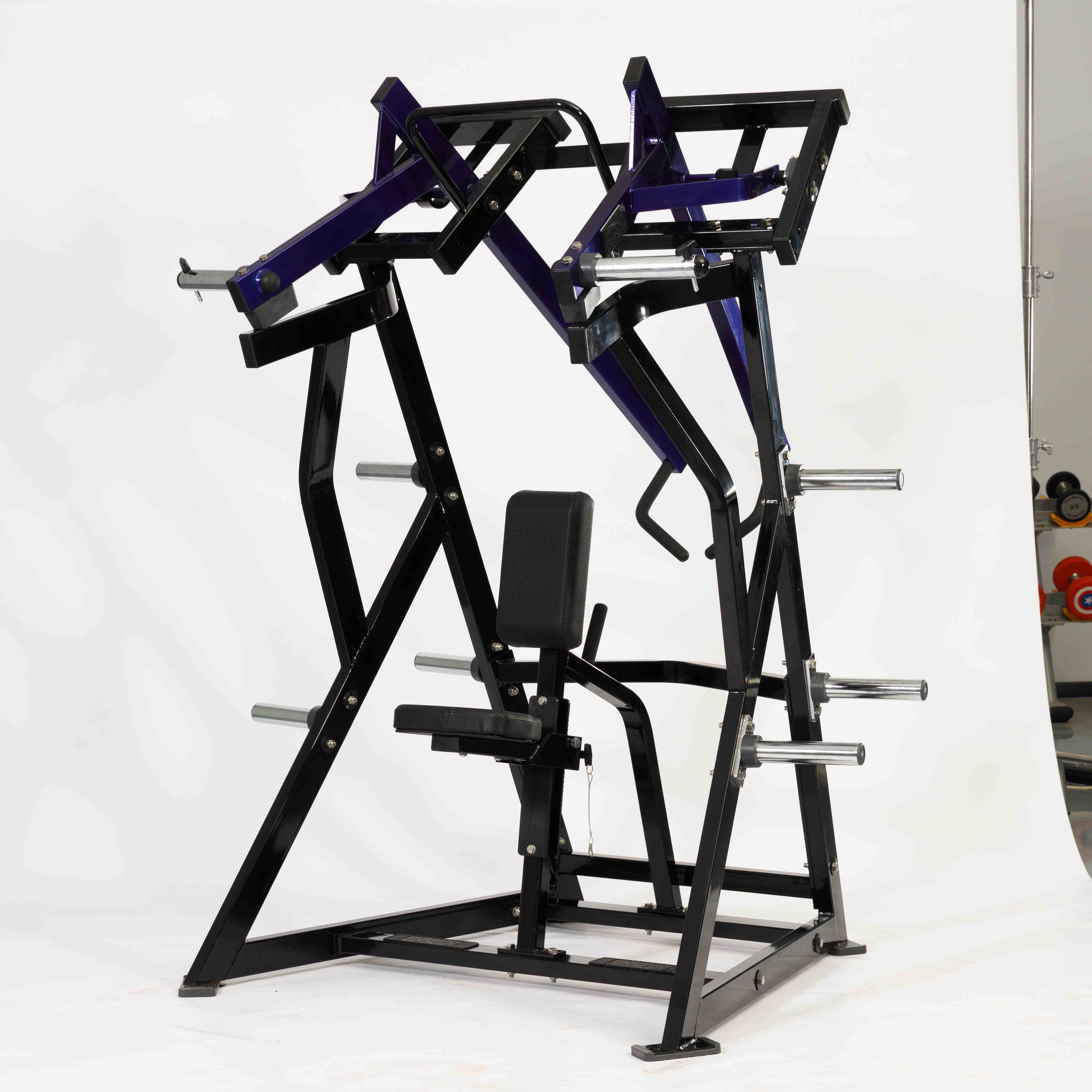
A full rack of fixed dumbbells can swallow an entire wall, but a single pair of adjustable dumbbells takes up no more floor space than a small step stool. In a compact home gym, that leftover corner becomes usable again—you can tuck the pair under a bench, slide it behind a door, or leave it beside the sofa without turning the room into a warehouse.
The real appeal goes beyond square footage. Instead of sorting through ten sets to find the right weight, you twist a dial or slide a pin and move from warm-up to working set in seconds. That flow matters more than people expect: less clutter means less mental friction, and you’re more likely to actually start the next set when everything sits within arm’s reach.
Modern options also don't force you to sacrifice feel for compactness. The plates lock securely, the handles are knurled like any pro-style dumbbell, and the weight jumps are small enough to keep progression smooth. Some cradles are even slim enough to store flat under a bed or vertical in a closet, so the only footprint you notice is the one you create during the workout.
Cable Machines Keep Tension Where Free Weights Can't
Free weights rely on gravity, which means resistance only pulls straight down. Once you move past the point where the weight stack can travel vertically, the tension drops off. A dumbbell fly, for instance, loses nearly all load at the top of the arc when your arms come together overhead. The cable station doesn't care about that—the pulley redirects force along the cable path, so your chest keeps fighting resistance even when your hands meet.
That constant pull changes how muscles fire. Instead of coasting through the easy part of a rep, you're forced to control the load through the entire range. Lateral raises become brutal at the very top, where dumbbells would normally feel weightless. Even a simple triceps pressdown keeps the long head engaged as you lock out, because the cable is still pulling your hands forward and down. For building time under tension in positions that gravity ignores, cables are hard to beat.
A Solid Bench Is the Fine Print of Every Good Press
Most lifters treat the bench as an afterthought, a place to sit between sets or a platform for dumbbells. But the moment you unrack a heavy bar for an overhead press, that same bench becomes the quiet partner in the lift. If it wobbles, creaks, or shifts even a fraction of an inch, your setup changes. Your feet search for the floor, your shoulders lose their shelf, and the rep becomes a fight with furniture instead of gravity.
A well-built bench doesn't announce itself. It just stays put, letting your back find a consistent angle and your hips settle into the same groove every time. That predictability is what allows you to focus on the only thing that matters: pressing the bar. Cheap benches with thin padding and loose bolts may hold you up, but they never really support the lift. The fine print often gets ignored until something fails.
Resistance Bands Add Honest Load Without the Noise
Free weights clang, machines rattle, and the gym floor echoes with dropped steel. Resistance bands cut through all of that. They deliver a smooth, silent tension that builds from the first inch of stretch to the last, giving your muscles an honest load without a single decibel of distraction. Whether looped under your feet for a deadlift or anchored to a door for rows, the resistance feels real — no momentum cheating, no momentum from the equipment itself. Just your body working against a material that refuses to give anything for free.
What makes bands stand out is their uncompromising feedback. A dumbbell has inertia; you can swing it up with poor form. A band, on the other hand, gets harder as it stretches, which forces your stabilizers to engage and keeps every rep honest from start to finish. And because they’re compact and lightweight, you can carry a full gym in a small pouch — no rack, no plates, no clanging metal. The silence isn’t a missing feature; it’s the whole point. You focus on the muscle, not the noise.
In a training world obsessed with heavy iron and loud failures, resistance bands offer a quiet alternative that still builds real strength. They don’t mask weakness with momentum or fake a PR. Instead, they meet you where you are and add tension exactly where you need it. If you’re tired of the gym’s racket or want a way to train in an apartment, a hotel room, or a park at dawn, bands give you an honest challenge without waking the neighbors — or your joints.
The Power Rack Is for More Than Just Squats
Most people see a power rack and immediately think of heavy back squats. That’s fair—it’s the obvious use—but treating it as a one-exercise station is like buying a laptop just to check email. The rack’s adjustable safeties and stable uprights open up a world of movement that doesn’t require a spotter or a dedicated machine.
Think about floor presses, rack pulls, overhead presses from pins, or even inverted rows using the bar set low. You can also anchor resistance bands to the frame for assisted pull-ups, or do slow negatives on a pull-up bar mounted to the top crossbeam. Each of these variations shifts the emphasis just enough to build strength through different angles while keeping the controlled environment of the rack intact.
Even for accessory work, the power rack earns its floor space. Set the J-hooks at hip height and you have a solid base for hip thrusts. Use the safety pins as handles for deficit push-ups, or loop a suspension trainer over the pull-up bar for chest presses and fallouts. Once you stop seeing the rack as squat-only real estate, it becomes the most versatile tool in the gym—no extra machines, no waiting in line.
FAQ
Start with a pair of adjustable dumbbells. They cover every major movement pattern, take up very little floor space, and you can increase the load as you get stronger. If you have room and a bigger budget, a barbell with plates and a simple rack is the real workhorse.
Smith machines get a lot of use in commercial gyms, but they lock you into a fixed bar path and remove stabilization demands. For raw strength, free weights do more because your body has to control the load in all three planes. The Smith machine is fine for isolation work, but it should not be the core of your program.
Yes, if you pick the right movements. A single kettlebell can handle swings, goblet squats, presses, rows, and Turkish get-ups. The offset load also forces your core to work harder to keep you stable. You will not max out your squat, but you can build serious full-body strength and conditioning.
A heavy sandbag, a set of resistance bands, and a doorway pull-up bar will cost under two hundred dollars total. Add a used barbell and plates when you find a deal. That setup covers squatting, hinging, pushing, pulling, and loaded carries without needing a rack right away.
Prioritize free weights. They require your body to stabilize the load, which builds more usable strength and carries over to real movement. Machines are useful for targeting a specific muscle or working around an injury, but they should not replace squats, deadlifts, presses, and rows.
A landmine attachment. It bolts onto a corner of your rack or a wall mount, and the barbell pivots from the floor. You can do rotational presses, single-leg squats, bent-over rows, and loaded carries with it. It costs very little and opens up a lot of movement variety that straight barbell work misses.
Check the steel gauge, the spacing between holes, and whether the attachments match your needs. Look for a rack with safety bars or straps, enough depth to squat inside, and the option to add a pull-up bar or pulley system later. Avoid racks with overly wide hole spacing if you plan to bench press by yourself.
Conclusion
Most strength equipment lists start with the barbell, but a barbell alone leaves too many gaps. It pushes you toward pressing and squatting while rows and single-leg work quietly fall behind. You need adjustable dumbbells to work each side independently and fix the little imbalances that compound over time. They also beat a full rack of fixed dumbbells for home gyms where every square foot counts. Cable machines earn their spot because they hold tension through the whole range of motion—something free weights lose at certain angles. And don't skip the flat bench. It's the fine print on every press: a sturdy, well-built bench makes a mediocre bar feel better and a cheap one can ruin a heavy set.
Resistance bands quietly add honest load to the end of a lift without clanging plates or needing a spotter. The power rack is the real workhorse—squats are just the headline. Use it for rack pulls, overhead presses, pull-ups, and as a safety net when you push a final rep. That mix of a bar, a bench, adjustable dumbbells, cables, bands, and a rack covers more than enough for most people. You don't need ten separate machines to get stronger; you need the right ones that don't overlap and don't sit unused in the corner.
Contact Us
Contact Person: Owen Wu
Email: [email protected]
Tel/WhatsApp: 86-15376736259
Website: https://www.yingruisfit.com/