

Steel Type Agricultural Chains: Durable Solutions for Farming Equipment
2026-03-28
In the demanding world of agriculture, where equipment must withstand harsh conditions and constant use, reliability is non-negotiable. For farmers and equipment manufacturers alike, the choice of components—particularly chains—can make or break productivity. This is where steel type agricultural chains step in as heroes of the field, offering unparalleled durability and performance. At the heart of this innovation lies a commitment to quality and resilience, embodied by Raydafon. Join us as we explore how these robust chains are transforming farming operations, providing solutions that not only meet but exceed the rigorous demands of modern agriculture. Dive in to discover why durability matters more than ever, and how the right chain can be the backbone of your equipment's success.
Unmatched Strength: How Steel Chains Boost Farming Efficiency
In the realm of agriculture, where durability and reliability are key, steel chains have emerged as an indispensable tool, transforming traditional farming methods into more efficient and productive systems. Their unmatched strength allows farmers to handle heavy loads with ease, from securing equipment during transport to anchoring structures in harsh weather conditions. This robustness reduces downtime caused by equipment failures, ensuring that operations run smoothly throughout the planting and harvesting seasons. Unlike weaker alternatives, steel chains withstand constant wear and tear, making them a long-term investment that pays off in increased output and reduced maintenance costs.
Beyond mere strength, steel chains enhance farming efficiency by providing versatile solutions across various applications. For instance, in irrigation systems, they help secure pipes and pumps, preventing leaks and ensuring consistent water flow to crops. In livestock management, chains are used to tether animals safely or construct sturdy fences, minimizing escapes and injuries. Their adaptability allows farmers to innovate, such as using chains in custom rigging for machinery repairs or in creating makeshift tools on-site. This flexibility streamlines daily tasks, saving valuable time and labor that can be redirected toward other critical farm activities.
The impact of steel chains on farming efficiency is further amplified by their role in improving safety and sustainability. In heavy machinery operations, like plowing or logging, chains provide secure attachments that prevent accidents and equipment damage. This not only protects workers but also reduces waste from broken parts. Additionally, steel chains are often recyclable, aligning with eco-friendly farming practices by minimizing environmental footprint. By choosing high-quality steel chains, farmers can achieve a balance of productivity and responsibility, showcasing how modern tools can drive agricultural advancement while respecting the land.
Corrosion Resistance: Ensuring Longevity in Harsh Field Conditions
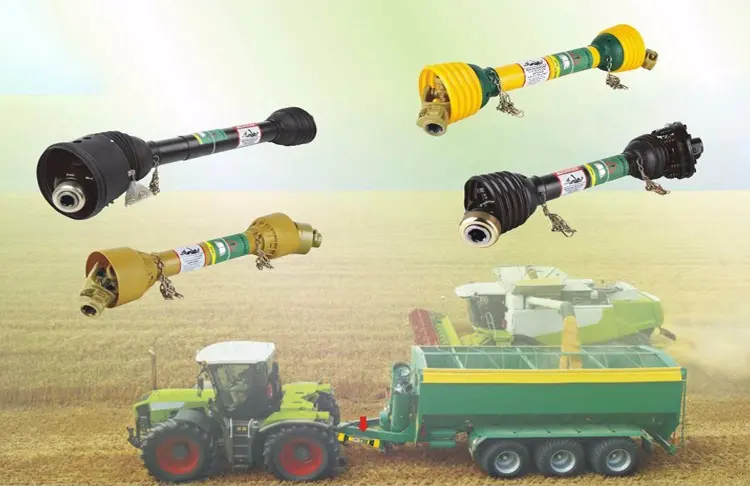
In environments where extreme weather, chemical exposure, or moisture are constant threats, corrosion resistance becomes a critical factor for the durability of materials and structures. This property helps shield equipment and components from degradation, ensuring they withstand harsh field conditions over time. For instance, in offshore oil rigs or industrial plants, materials treated with advanced coatings or alloys resist rust and wear, reducing maintenance needs and enhancing operational safety. Understanding the mechanisms of corrosion, such as galvanic reactions or stress cracking, allows for better material selection and design, ultimately supporting long-term reliability in demanding applications.
Beyond traditional methods like painting or galvanizing, modern innovations in corrosion resistance include nanotechnology-based coatings and self-healing materials. These solutions create barriers that are not only effective against environmental stressors but also adaptable to varying conditions, such as fluctuating temperatures or saltwater exposure. By integrating these technologies, industries can achieve significant cost savings by minimizing replacements and downtime, while also complying with stringent environmental regulations that prioritize sustainability and resource conservation. This proactive approach transforms corrosion resistance from a basic requirement into a strategic advantage for longevity.
To ensure optimal performance, it's essential to tailor corrosion resistance strategies to specific field conditions through rigorous testing and real-world assessments. Factors like material compatibility, local climate, and operational loads must be considered in the design phase to prevent premature failures. Collaborating with experts and utilizing predictive analytics can help identify potential weak points early on, enabling timely interventions. By focusing on these customized solutions, organizations not only protect their investments but also foster innovation in material science, setting new standards for durability and resilience across various sectors.
Precision Engineering: Smooth Operation for Modern Agricultural Machinery
Tackling the complexities of today's agriculture demands machinery that's not just robust, but delicately calibrated. Precision engineering is the answer, transforming equipment like tractors and combines into highly responsive partners. By integrating advanced sensors, automated controls, and refined mechanical systems, these machines achieve a level of operational smoothness that minimizes wear, boosts fuel efficiency, and delivers consistent performance even across uneven terrain—key for modern, high-yield farming.
This focus on smooth operation isn't merely about reducing vibrations; it's a holistic approach that enhances the entire farming workflow. From seeding and fertilizing to harvesting, precisely engineered components ensure tasks are executed with minimal deviation, leading to uniform crop quality and less resource waste. Farmers benefit from equipment that reacts intuitively to changing conditions, reducing operator fatigue and allowing more attention to strategic planning rather than constant manual adjustments.
Ultimately, in an era where margins are tight and sustainability is paramount, precision engineering sets modern agricultural machinery apart. It's the investment that pays off through reliability, reduced downtime, and a noticeable improvement in overall farm productivity—making every operation feel effortless and every season more predictable.
Versatile Applications: From Harvesters to Conveyors in Farm Settings
In modern agricultural operations, the transition from harvesters to conveyors plays a pivotal role in enhancing workflow efficiency. Harvesters, such as combine harvesters, swiftly gather crops like wheat or corn, but the real magic happens when these machines seamlessly integrate with conveyor systems. For instance, after harvesting, conveyors can transport grain directly from the harvester to storage silos, reducing manual handling and minimizing crop losses due to spillage or delays. This interconnected setup not only speeds up processing times but also ensures that produce maintains its quality from field to storage, a critical factor for farmers aiming to maximize yields.
Beyond just moving materials, these applications adapt to various farm sizes and crop types, showcasing remarkable versatility. Small-scale farms might use compact conveyor belts to sort and pack fruits like apples or berries post-harvest, while larger operations could deploy extensive systems linking multiple harvesters to central processing units. This adaptability allows farmers to scale their equipment based on seasonal demands or crop rotations, making it a cost-effective solution that evolves with their needs. By streamlining tasks from initial harvesting through to final conveyance, farms can reduce labor costs and operational bottlenecks, fostering a more sustainable and productive agricultural environment.
Moreover, the integration of technology in these systems, such as automated sensors on conveyors that monitor speed and load, further boosts efficiency in farm settings. This synergy between harvesters and conveyors exemplifies how machinery can transform traditional farming into a highly coordinated process, paving the way for innovations in precision agriculture. Ultimately, whether it's a simple belt system in a vegetable garden or a complex network in a grain farm, these versatile applications underscore the importance of seamless transitions in modern farming operations.
Maintenance Tips: Simple Steps for Prolonging Chain Lifespan
Taking care of your chain doesn't have to be a complicated chore; it's more about consistency and a few straightforward habits. Start by cleaning it regularly, especially after rides in wet or muddy conditions, using a gentle degreaser and a soft brush to remove grit that can wear down links. Then, apply a quality lubricant specifically designed for chains, working it in thoroughly but avoiding over-application, as excess lube can attract dirt. Doing this every few weeks or after heavy use keeps things running smoothly and prevents premature rust.
Beyond cleaning, pay attention to tension and alignment. A chain that's too tight puts extra strain on your drivetrain, while a loose one risks skipping or falling off. Check it periodically by pushing it up and down at the midpoint between sprockets; there should be a slight give, about half an inch of movement. Also, ensure your chain is properly aligned with the gears—misalignment accelerates wear on both the chain and sprockets, so adjust your derailleur if needed.
For a truly long-lasting chain, consider using a chain wear tool to measure stretch over time. Chains naturally elongate with use, and replacing them before they become too worn can save you money on other components like cassettes. Additionally, store your bike in a dry place to avoid moisture buildup, and if you're not riding for a while, give the chain a quick wipe and lube to protect it from corrosion. With these simple steps, you'll notice smoother shifts and fewer repairs down the road.
Cost-Effective Investment: Real Savings Over Time with Robust Design
Investing in robust design isn't just about upfront costs; it's a strategic move that pays dividends for years. By focusing on durability and efficiency from the start, you dodge those annoying, repeated expenses that chip away at budgets over time. It's like buying a quality tool once instead of replacing a flimsy one every few months—the initial outlay feels higher, but the long-term savings are real and substantial.
Think of it as building a foundation that withstands wear and tear without constant upkeep. A well-designed system or product reduces maintenance hassles, minimizing downtime and repair bills. This approach not only protects your investment but also frees up resources for innovation rather than just patching up problems. In a world where quick fixes often lead to long-term headaches, robust design offers a smarter, more sustainable path forward.
Over the years, this resilience translates into tangible financial benefits, as you spend less on replacements and more on growth. Customers and stakeholders notice the difference too, appreciating the reliability that comes with thoughtful engineering. It's a win-win: you save money while building a reputation for quality that stands out in a crowded market.
FAQ
Steel type agricultural chains offer exceptional strength and corrosion resistance, ensuring reliable performance under harsh farming conditions like mud and moisture.
They are heat-treated and coated to prevent rust and wear, extending lifespan and reducing maintenance needs for farm machinery.
Yes, their robust construction allows them to support heavy loads, making them suitable for high-stress applications in tractors and harvesters.
They are widely used in tractors, combines, balers, and plows for tasks such as power transmission and material handling.
Their long service life reduces waste from frequent replacements, and some recyclable steel variants support sustainable farming practices.
Regular cleaning and lubrication are key to prevent corrosion and wear, along with checking for tension and alignment periodically.
Conclusion
Steel type agricultural chains are engineered to deliver unmatched strength and durability, significantly boosting farming efficiency by withstanding the rigorous demands of modern agricultural operations. Their corrosion resistance ensures longevity even in harsh field conditions, reducing the need for frequent replacements and maintenance. Precision engineering guarantees smooth operation across various machinery, from harvesters to conveyors, enhancing overall productivity and reliability in farm settings.
These versatile applications make steel chains a cost-effective investment, offering real savings over time through their robust design and reduced downtime. By following simple maintenance tips, such as regular lubrication and inspection, farmers can further prolong chain lifespan, maximizing value and performance. This combination of strength, resilience, and adaptability positions steel agricultural chains as indispensable durable solutions for contemporary farming equipment.
Contact Us
Contact Person: Mr. Shen
Email: [email protected]
Tel/WhatsApp: +86-574-87168065
Website: https://www.transmissions-china.com/