

Optimize Batching Scale Efficiency: 5 Essential Tips for Manufacturers
2026-03-29
In today's competitive manufacturing landscape, optimizing batching scale efficiency isn't just a goal—it's a necessity. Yet, many manufacturers struggle to achieve consistent results despite investing in advanced equipment. At Fanchang Machinery, we've seen firsthand how smart adjustments can transform production lines and boost output. In this blog post, we'll dive into five practical tips that go beyond the basics, helping you tackle common pitfalls and unlock hidden potential. Ready to streamline your process and drive real change? Let's explore how.
Revolutionize Production with Smart Batch Sizing
Unlock a new era of efficiency in your manufacturing process by leveraging dynamic batch sizing strategies. Instead of sticking to fixed production runs, smart batch sizing analyzes real-time data—like demand forecasts, inventory levels, and machine availability—to determine the optimal quantity for each batch. This approach minimizes waste from overproduction and reduces lead times, ensuring you're producing precisely what's needed when it's needed, without the guesswork that often plagues traditional methods.
Imagine a factory floor where machines adjust their output on the fly based on shifting customer orders or supply chain disruptions. With smart batch sizing, you can achieve just that, integrating IoT sensors and AI algorithms to continuously fine-tune your operations. It's not just about cutting costs; it's about building a more agile and resilient production line that responds quickly to market changes, giving your business a competitive edge in today's fast-paced economy.
By embracing this technology, companies can move beyond static schedules and embrace a fluid, data-driven approach. Whether you're in pharmaceuticals, automotive, or consumer goods, smart batch sizing tailors production to actual needs, boosting throughput and quality while slashing downtime. The result? A streamlined workflow that adapts to challenges in real-time, paving the way for sustainable growth and innovation in your industry.
Harness Data Analytics for Streamlined Operations
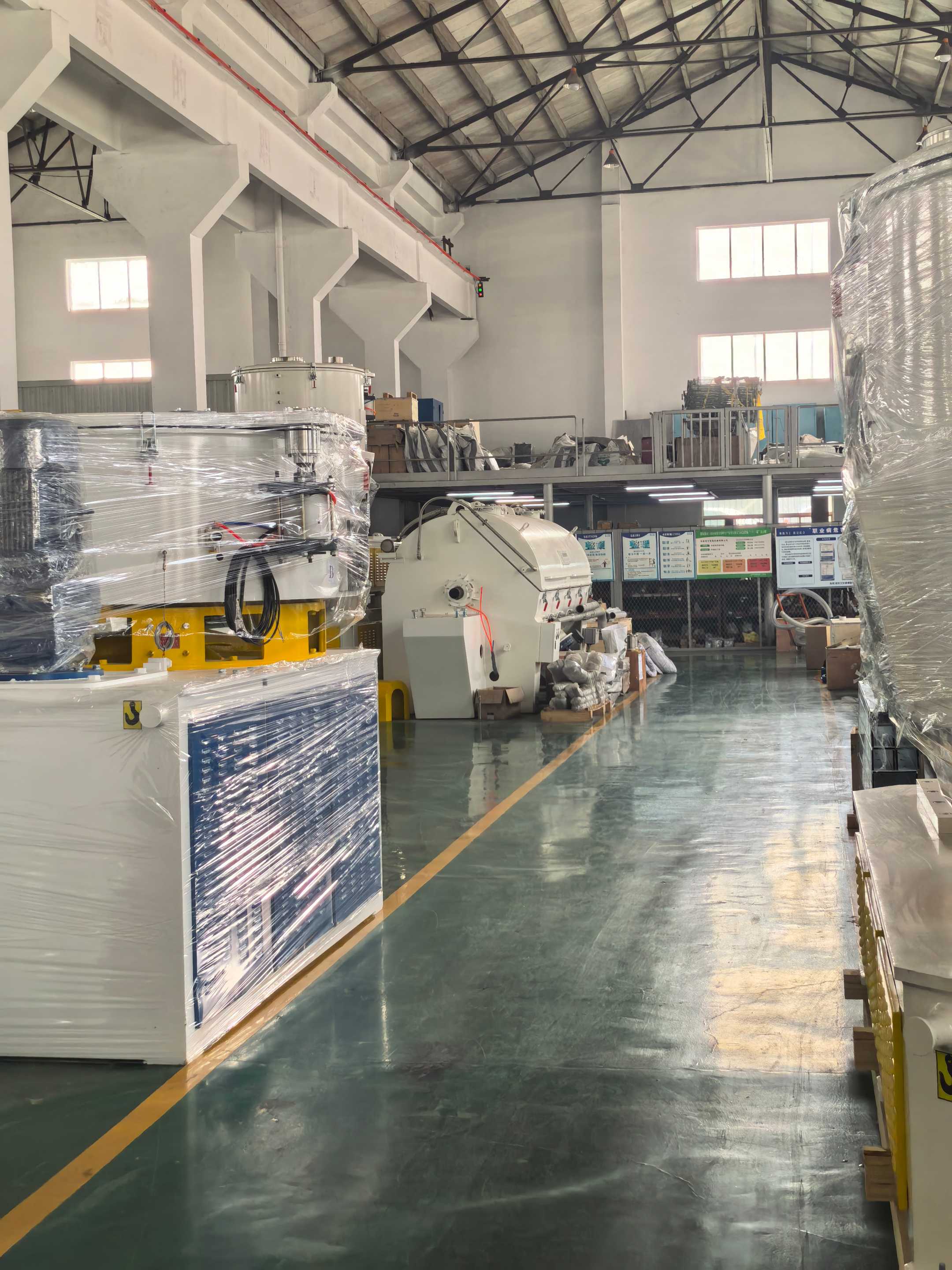
In today's fast-paced business environment, leveraging data analytics isn't just an option—it's a necessity for staying competitive. By analyzing vast amounts of information, companies can uncover hidden inefficiencies, predict customer behaviors, and tailor their strategies accordingly. This transforms raw data into actionable insights, enabling smarter decision-making and smoother workflows that keep operations running like a well-oiled machine.
What sets effective data utilization apart is its ability to streamline processes in real time. Imagine monitoring production lines or supply chain logistics through dashboards that highlight bottlenecks immediately, allowing for proactive adjustments rather than reactive fixes. This continuous optimization reduces waste, cuts costs, and boosts overall productivity, ensuring that every resource is utilized to its fullest potential without unnecessary delays.
Beyond just improving internal functions, harnessing data analytics fosters innovation and agility. It empowers teams to experiment with new approaches, test hypotheses quickly, and adapt to market changes on the fly. This dynamic approach not only enhances operational efficiency but also creates a culture of data-driven excellence, where every employee contributes to a leaner, more responsive organization that outperforms competitors.
Tailor Batches to Maximize Resource Utilization
Customizing batch sizes isn't just about hitting quotas; it's about fine-tuning operations to squeeze every drop of efficiency from your assets. By aligning batch production with real-time resource availability—like machinery uptime or skilled labor shifts—companies can dramatically reduce idle periods and costly bottlenecks. This approach shifts focus from rigid schedules to dynamic workflows, where each batch is optimized to exploit peak capacity without overloading systems, leading to smoother throughput and minimized waste.
Think of tailoring batches as a strategic puzzle: it involves analyzing historical data on resource consumption, such as energy usage or material throughput, to design flexible batch plans. For instance, in manufacturing, adjusting batch sizes based on seasonal demand or supplier lead times can prevent resource hoarding and cut storage costs. This proactive adjustment ensures resources are allocated precisely where needed, boosting overall productivity while keeping operational costs lean and agile.
Beyond mere numbers, this strategy fosters a culture of continuous improvement, where teams regularly assess and tweak batch parameters in response to evolving conditions. By integrating real-time monitoring tools with predictive analytics, organizations can anticipate resource constraints and adjust batches preemptively, turning potential downtime into opportunities for efficiency gains. It's a forward-thinking method that not only maximizes utilization but also enhances resilience in today's fast-paced market environments.
Implement Adaptive Scheduling for Enhanced Flexibility
In today's dynamic work environments, rigid schedules often fall short of meeting evolving demands. Adaptive scheduling emerges as a practical solution, shifting away from fixed timetables to systems that respond in real-time to operational needs. This approach leverages data analytics and employee feedback to adjust workflows, accommodating unexpected delays or resource changes seamlessly. By fostering a more fluid structure, organizations can enhance productivity while reducing stress, making it easier to handle peak periods without overwhelming staff or compromising quality.
What sets adaptive scheduling apart is its focus on customization rather than one-size-fits-all rules. Instead of imposing strict clock-in times, it allows teams to collaborate based on project priorities and individual availability. This flexibility supports diverse working styles, from remote setups to in-office rotations, empowering employees to manage their time more effectively. As a result, companies often see improved morale and retention, as workers feel trusted to balance professional and personal commitments, leading to a more engaged and resilient workforce.
To implement this effectively, start by integrating smart tools that monitor task progress and resource allocation. These systems provide real-time insights, enabling managers to make informed adjustments on the fly. For example, if a critical project hits a snag, schedules can be tweaked to reallocate support without disrupting other initiatives. Over time, this iterative process builds a culture of agility, where adaptability becomes a core strength, helping businesses stay competitive in fast-paced markets by turning flexibility into a strategic advantage.
Leverage Automation to Cut Downtime and Waste
When it comes to reducing downtime and waste in industrial settings, leveraging automation isn't just a buzzword—it's a strategic game-changer that can transform your operations from reactive to proactive. By implementing smart sensors and connected machinery, companies can monitor equipment health in real-time, catching minor issues before they snowball into costly breakdowns. This predictive approach means fewer unplanned halts and smoother production flows, cutting inefficiencies that drain both time and resources.
Beyond just preventing failures, automation excels at optimizing processes to minimize material waste. For instance, automated systems can precisely control inputs like raw materials or energy, adjusting on the fly based on real-time data to ensure nothing goes to excess. In manufacturing lines, this might mean tighter tolerances in cutting or assembly, reducing scrap rates and boosting overall yield. It's like having a vigilant overseer that never tires, constantly fine-tuning for peak performance.
But the real magic happens when you integrate these automated tools into a cohesive ecosystem, where machines communicate seamlessly to streamline workflows. This synergy not only slashes downtime by enabling faster problem-solving but also fosters a culture of continuous improvement, where waste reduction becomes a built-in feature rather than an afterthought. In today's competitive landscape, embracing such automation can set you apart, turning operational challenges into opportunities for growth.
Cultivate Continuous Improvement in Batch Processes
At its core, fostering continuous improvement in batch processes means building a culture where every step is open to scrutiny and enhancement. It's about moving beyond static checklists to embrace dynamic learning from each production run. Teams actively analyze data, identify bottlenecks, and test small changes, turning routine operations into opportunities for innovation. This proactive mindset helps organizations stay agile, reducing waste and boosting efficiency over time.
One effective approach involves implementing regular feedback loops between operators, engineers, and management. By encouraging open communication and collaborative problem-solving, companies can pinpoint recurring issues and develop tailored solutions. For instance, a slight adjustment in mixing times or temperature controls might lead to significant quality improvements. This hands-on experimentation fosters a sense of ownership and drives sustainable progress.
Ultimately, embedding ongoing refinement into batch workflows isn't just about incremental gains; it's a strategic advantage that enhances product consistency and operational resilience. Embracing tools like real-time monitoring and predictive analytics can further streamline this journey, empowering teams to adapt swiftly in a competitive landscape. Through persistent effort and a commitment to learning, businesses can transform their processes into engines of continuous growth.
FAQ
Implementing lean manufacturing principles and using predictive analytics to adjust batch sizes based on real-time demand helps optimize scale and reduce waste.
Advanced automation and IoT sensors enable real-time monitoring and data-driven adjustments, allowing for flexible batch optimization and increased throughput.
Integrating supply chain data ensures timely material availability, enabling synchronized batching processes that minimize delays and maximize resource utilization.
Yes, by starting with modular setups and scalable software, small manufacturers can gradually implement batching improvements without large upfront investments.
Overlooking quality control for speed and failing to train staff on new processes can lead to inefficiencies; regular audits and feedback loops help prevent this.
Track metrics like cycle time reduction, waste percentage, and on-time delivery rates to assess improvements and guide continuous refinement.
Adopting AI-powered scheduling tools that dynamically adjust batch sizes and sequences based on predictive models, enhancing adaptability and efficiency in volatile markets.
Conclusion
To optimize batching scale efficiency, manufacturers should start by revolutionizing production with smart batch sizing, carefully analyzing demand patterns to determine the ideal batch size that balances throughput with flexibility. This approach should be complemented by harnessing data analytics for streamlined operations and tailoring batches to maximize resource utilization, ensuring that equipment, labor, and materials are used efficiently without excess waste. By implementing adaptive scheduling for enhanced flexibility, companies can quickly respond to changes in order volume or supply chain disruptions, minimizing delays and maintaining consistent output.
Additionally, leveraging automation to cut downtime and waste plays a crucial role, as automated systems can handle repetitive tasks with precision, reducing human error and speeding up processes. Finally, cultivating continuous improvement in batch processes through regular reviews and employee feedback ensures that efficiency gains are sustained over time. By integrating these five essential tips—smart batch sizing, data-driven insights, resource optimization, flexible scheduling, and automation—manufacturers can achieve significant improvements in batching scale efficiency, leading to reduced costs, higher productivity, and a competitive edge in the market, all while fostering a culture of innovation and adaptability.
Contact Us
Contact Person: Darye WANG
Email: [email protected]
Tel/WhatsApp: 86-13501017897
Website: https://www.fcntd.com/