

Melamine Cyanurate Exporter Guidelines for Safe and Reliable Procurement
2026-09-08
Sourcing melamine cyanurate shouldn’t feel like a gamble. Yet too many buyers discover inconsistent purity, delayed shipments, or paperwork gaps only after the cargo leaves the port. These guidelines cut through the noise—covering what to verify in an exporter, which documentation actually matters, and how to avoid the costly shortcuts that plague this niche. With X.X.F.R’s field-tested procurement checklist, you’ll know exactly what separates a dependable supplier from a supply-chain headache.
Start with the Exporter’s Own Lab Reports, Not Their Brochure
A glossy brochure can make any product look impressive, but it rarely tells you how the material behaves under real stress. When you ask the exporter for their own lab reports, you get a record of what they actually tested—tensile strength, moisture content, chemical resistance—not just what they claim. Those numbers come from machines, not marketing teams, so they give you a baseline you can verify independently.
Independent lab reports from the exporter's own facility also reveal consistency across production batches. If the exporter is willing to share raw data from multiple runs, you can spot whether their quality holds steady or drifts when they scale up. Brochures tend to highlight a single ideal sample; lab reports show the range you might actually receive.
Don't skip this step just because it feels tedious. Ask for the full report, check the testing standards referenced, and compare them against your own requirements. A supplier who hesitates to share that data is often hiding something, while one who sends it over quickly has already built trust before you place an order.
Push for a Trial Shipment Before Committing to Volume
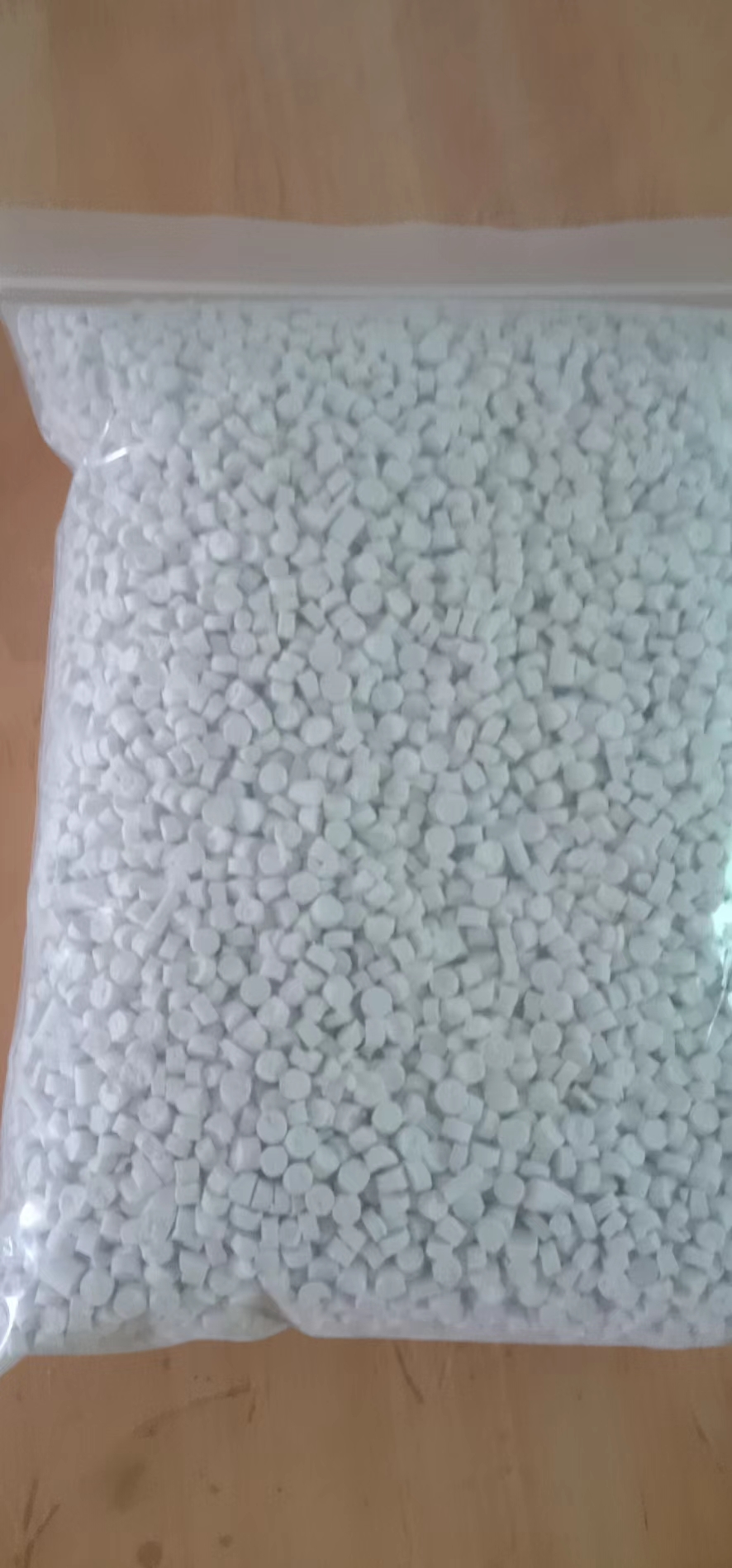
A trial shipment is the only way to see how a supplier actually performs when money and deadlines are on the line. Samples can look flawless, but a small batch reveals whether they can handle real production tolerances, consistent packing, and honest communication about delays. Treat this first order as a live test: if something breaks or arrives damaged, you want to find out with 200 units, not 20,000.
When you ask for a trial run, don't frame it as a lack of trust. Position it as a practical step to align expectations before both sides invest heavily. Offer to pay for the small order at a slightly higher unit price, or cover a portion of the tooling, as long as the supplier agrees those costs are credited back once you move to volume. This approach filters out factories that only want a quick one-off deal and keeps serious partners at the table.
After the trial shipment lands, review it with a checklist that goes beyond surface quality: How accurate were the lead times? Did the packaging survive rough handling? Were there hidden fees or last-minute "misunderstandings"? Use those findings to either negotiate better terms for the main order or walk away without being stuck with a warehouse full of problems. A small, deliberate first purchase is a cheap insurance policy against a costly supply chain failure.
Read the Fine Print on Moisture Limits and Handling
Many product failures trace back to a single overlooked sentence in the installation guide. The moisture limits printed in small type are not generic suggestions; they specify the exact relative humidity or substrate moisture content that the material can tolerate before installation. If the subfloor reads 4.5% on a moisture meter and the fine print allows only 3.8%, that gap matters more than any warranty claim later.
Handling requirements often sit right next to those limits, and they deserve the same scrutiny. Acclimation times, storage temperatures, and whether the packaging must stay sealed until the moment of installation all appear in the fine print for a reason. A pallet left in an unheated garage over a weekend can absorb enough moisture to push the product outside its approved range, even if the jobsite itself is within spec.
Before signing off on delivery or starting the work, take a photo of that section or copy it into your notes. Manufacturers update their technical data sheets quietly, and the numbers for the same product can change between batches. Relying on memory or a previous version of the document is exactly how a negligible detail becomes an expensive callback.
Compare the Exporter’s Claims Against the Destination’s Rules
Every exporter wants to believe their product is ready for market, but the real test comes when you line up what you say about the goods against what the destination actually requires. A certification that passes in one country can be worthless in another if the local rules demand different testing methods, lower residue limits, or additional documentation.
Instead of relying on prior experience or a buyer's assurances, go straight to the official tariff schedules, customs notices, and product safety regulations for the target country. Check whether your stated materials, labeling, and performance claims match the exact wording of those rules. Sometimes a small mismatch, like a missing local-language warning or an outdated compliance mark, is enough to delay clearance. The comparison should be specific, not a general feeling of confidence.
If the exporter's claim is broader than the destination's rules allow, narrow the claim or adjust the product before shipment. This isn't just about avoiding fines; it's about protecting the shipment from rejection at the border and maintaining trust with the importer.
Delay Final Payment Until an Independent Inspector Signs Off
The final payment is your last piece of leverage, so don't hand it over on a handshake or a contractor's say-so. Bring in an independent inspector—someone who doesn't answer to the builder or the crew—to walk the site before you release the last check. If the punch list still has open items, keep the money in your account until every one of them is closed and the inspector puts it in writing.
This step often surfaces problems that look fine to an untrained eye: uneven flashing, missing caulk, improper grading, or connections that aren't up to code. An independent sign-off does more than protect your wallet; it creates a clear record that the work was reviewed by a neutral third party. That can be worth a lot if something fails later and you need to prove the defect wasn't obvious at the time of payment.
Make the inspection a written condition in your contract from the start. When the contractor knows final payment hinges on an outside inspector's approval, there's less temptation to rush the last week or bury mistakes. If they resist that clause, treat it as a warning sign—most reputable builders will agree because it also protects them from disputed claims after the job is done.
Ask Past Clients About Delays, Not Just About Price
Most people only ask a contractor's past clients whether the project came in on budget. That's useful, but it misses the real story. What you really want to know is whether deadlines meant anything. A low bid means little if the work dragged on for months longer than promised, leaving your kitchen torn apart or your office unusable. So when you talk to references, skip the polite small talk and ask directly: "Did they show up when they said they would? Did the timeline slip, and if so, by how much?" The answers will tell you more about your future experience than any price quote.
Past clients are often hesitant to bad-mouth someone they hired, so you need to read between the lines. If they pause, laugh nervously, or say something like "Well, there were a few unexpected issues..." that's your cue to dig deeper. Ask for specific dates: when did the project start, when was it supposed to finish, and when did it actually wrap up? A two-week delay might be normal; a six-month delay is a pattern. You're not just checking competence—you're checking respect for your time and your living situation.
Don't let a contractor's smooth sales pitch drown out what former customers aren't saying. Price matters, obviously, but a cheap job that leaves you waiting for months can cost you more in rent, lost business, or sheer frustration. The best contractors might not be the cheapest, but they're the ones whose past clients say, without hesitation, "They finished on schedule, and when something came up, they told us right away and fixed it fast." That kind of reliability is worth more than a lower bid on paper.
FAQ
Start by confirming the exporter's registration and manufacturing licenses in the country of origin. Ask for a recent certificate of analysis from an accredited lab, not just a PDF scan on letterhead. Also check whether they can provide references from buyers in your region who have used the product for similar applications.
Request a detailed specification sheet that lists nitrogen content, particle size distribution, residual melamine, and moisture level. For critical applications, send a sealed sample to an independent laboratory before placing a full order. Compare the lab results against the values the exporter claims, and watch for tight tolerances that some suppliers avoid committing to in writing.
At minimum, you need a commercial invoice, packing list, bill of lading, certificate of origin, and a safety data sheet that matches the actual shipment. For regulated markets, also ask for a REACH registration or equivalent compliance statement. Keep every version of the certificate of analysis because batch numbers should trace back to production dates.
Melamine cyanurate is used in formulations where even small shifts in particle size or purity can change dispersion, viscosity, or flame retardant performance. If an exporter cannot show batch-to-batch data across the last six months, you may end up adjusting your own production line every time a new container arrives. Reliable suppliers usually share internal QC logs or offer to send retained samples.
Be cautious when a supplier avoids naming the actual manufacturing plant, quotes prices far below the current market without a clear reason, or pushes for full payment before you can inspect documents. Another warning sign is a certificate of analysis that never changes from batch to batch, which suggests it was photocopied rather than generated from actual testing.
Moisture absorption is a real issue for this product, so look for sealed multi-layer paper bags with an inner polyethylene liner or flexible intermediate bulk containers that are properly closed. Ask the exporter how they palletize and shrink-wrap for ocean freight, and request photos of the exact packing before dispatch. Damaged or reused bags can compromise the material even if the chemical itself was originally fine.
A pre-shipment inspection by an independent agency can verify the quantity, packaging integrity, and even take samples for lab testing before the container is sealed. This is especially useful for first orders or when switching to a new exporter. Make sure the inspection scope includes checking the container's cleanliness and confirming that the seal number matches the shipping documents.
Treat price as only one part of the total landed cost, which includes shipping, duties, potential demurrage, and the cost of rejecting a bad batch. Ask the exporter to break down the quote by raw material cost, processing, and logistics. If a price seems too good, request a small trial order and test it against your own key parameters before committing to larger volumes.
Conclusion
Smart buyers looking at melamine cyanurate exporters rarely start with the glossy brochure. Instead, they ask for the exporter's own lab reports first, since those reveal batch-to-batch consistency that marketing materials can't show. Before locking in any volume, pushing for a trial shipment is the only way to see how the product actually behaves in your own handling and processing setup. And the fine print matters: moisture limits and handling instructions often hide clauses that can shift liability or create unexpected costs at the destination port. What an exporter claims about purity or performance needs to be checked against the destination country's own import rules, not just against the data sheet.
Payment discipline is the other half of safe procurement. Delaying final payment until an independent inspector signs off on the shipped lot keeps leverage on your side and catches problems that internal QC might miss. It's also worth calling past clients—not to ask whether the price was low, but to find out if shipments were delayed, if documentation arrived on time, and how the exporter handled disputes. These conversations usually reveal more about reliability than any certificate can. Taken together, these steps shift the focus from catchy promises to the operational details that actually determine whether a melamine cyanurate purchase runs smoothly.
Contact Us
Contact Person: Guohua Wang
Email: [email protected]
Tel/WhatsApp: 8613003442895
Website: https://www.xxflameretard.com