

Innovative Custom Farm Solar Mounting Systems in China: Optimizing Green Energy Solutions
2026-01-16
Imagine stepping into a cornfield in China's vast countryside, where the sun beats down on rows of traditional crops—but something is different. In the same space, sleek solar panels now rise above the soil, not as a separate industrial installation, but as an integrated part of the agricultural landscape. This fusion of farming and photovoltaics isn't just a futuristic vision; it's happening right now, thanks to cutting-edge custom solar mounting systems. At Energet Solar, we're pioneering these innovative solutions that optimize green energy production while preserving precious farmland. In this blog, we'll explore how China's push for renewable energy has sparked a revolution in solar mounting designs, transforming how we harness the sun's power and redefining sustainability in agriculture. Curious how these smart systems work and what they mean for the future of energy? Let's dive in and uncover the bright potential driving this green shift.
China Advances Solar Farming with Tailored Mounting Solutions
Imagine vast fields of crops basking in the sun, while above them, sleek solar panels capture energy without blocking the light. That's the reality taking root across China, where farmers are adopting smart mounting systems designed for dual use. These tailored setups, ranging from adjustable frames to raised arrays, allow agriculture and solar power to thrive together on the same land. It's a win-win: crops get optimized shade or full exposure as needed, and the panels generate clean electricity, boosting local economies and reducing carbon footprints.
In regions like Shandong and Jiangsu, innovative designs are making waves. Instead of one-size-fits-all installations, engineers now craft solutions that factor in soil type, crop height, and seasonal weather patterns. For example, some systems use modular components that can be rearranged for different harvests, ensuring flexibility year-round. This approach not only maximizes energy output but also protects delicate plants from harsh elements, showcasing how technology can be finely tuned to rural needs.
The push doesn't stop at hardware; it's part of a broader shift toward sustainable farming practices. By integrating solar arrays seamlessly, China is reducing land competition between food and energy production. This tailored strategy is drawing global attention, as it offers a scalable model for other nations grappling with similar challenges. As these solutions evolve, they promise to transform countless acres into productive, green landscapes where innovation literally grows from the ground up.
Designing Solar Arrays for Maximum Crop and Energy Synergy
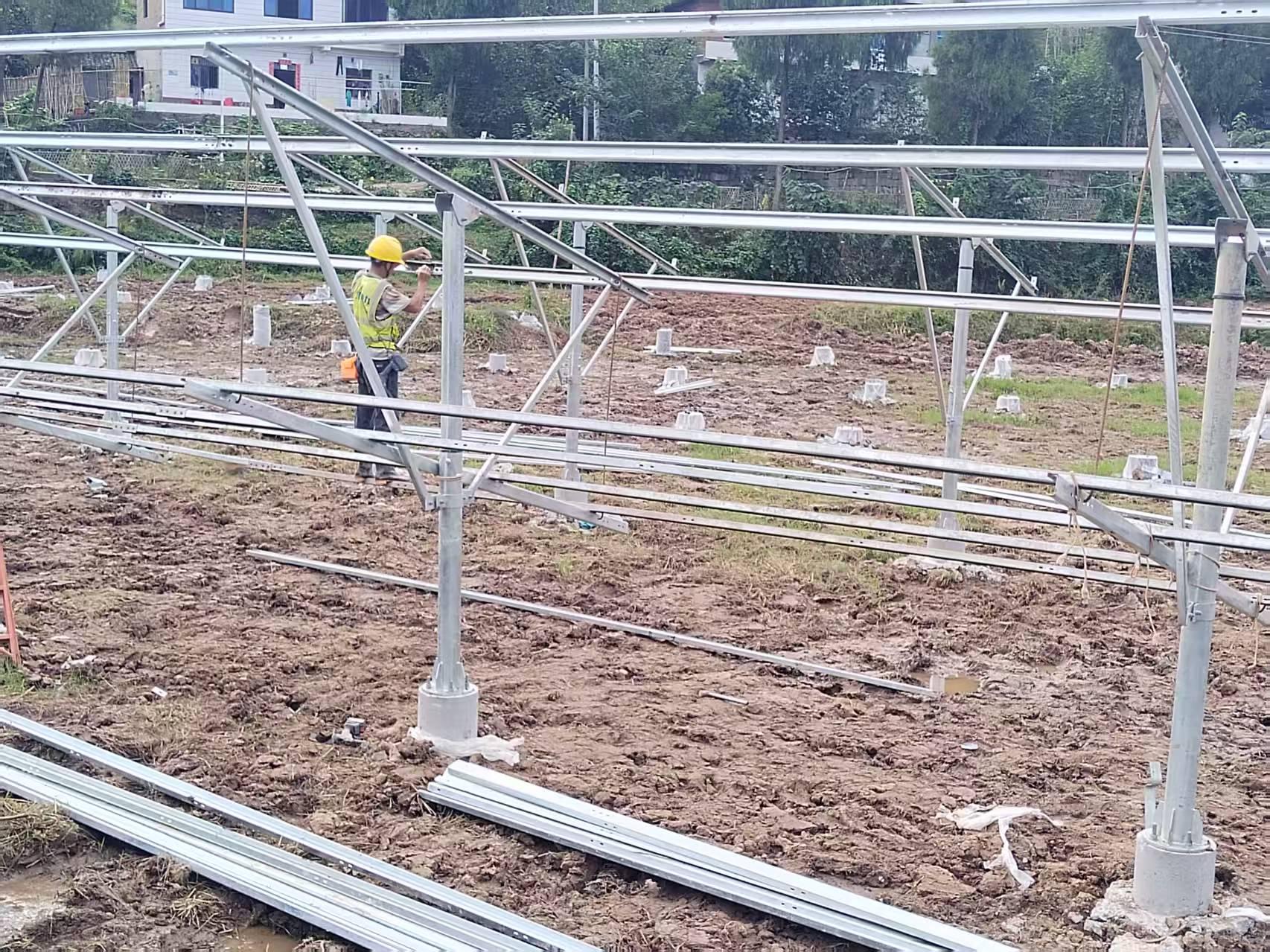
In recent years, the concept of agrivoltaics has gained traction globally, blending solar energy production with agricultural activities to create synergistic systems that yield both food and power. By thoughtfully designing solar arrays, such as adjusting panel heights, tilt angles, and spacing, farmers can optimize light distribution to crops while harnessing solar energy efficiently. This dual-use approach not only reduces competition for land but also enhances microclimates, protecting plants from extreme weather and potentially boosting crop yields through moderated temperatures.
Key strategies for maximizing synergy include employing semi-transparent or bifacial panels that allow filtered sunlight to reach plants below, promoting photosynthesis without sacrificing energy output. Additionally, integrating tracking systems that follow the sun's path can dynamically balance light exposure for crops and panels throughout the day. Such innovations enable a harmonious balance, transforming traditional farms into multifunctional landscapes where energy generation complements rather than conflicts with agriculture, leading to more resilient and sustainable food-energy systems.
Experiments in various climates have shown that crops like lettuce, berries, and certain grains thrive under partially shaded solar arrays, with some cases reporting increased water efficiency and improved soil health. As this field evolves, ongoing research focuses on tailoring designs to local conditions, crop types, and energy needs, ensuring that each installation is uniquely adapted to maximize both economic and environmental benefits while fostering community engagement and innovation in renewable energy practices.
Regional Adaptations Boost Efficiency in Chinese Solar Farms
Across China's diverse landscapes, from the sun-drenched plains of Xinjiang to the coastal regions of Jiangsu, solar farms are thriving not through a one-size-fits-all approach, but by tailoring designs to local quirks. In arid northwestern areas, engineers have developed dust-resistant panels with self-cleaning coatings and adjustable tilt angles to maximize light capture despite frequent sandstorms, boosting energy output by over 15% in some installations. Meanwhile, in southern provinces like Guangdong, where high humidity and typhoon risks loom, solar arrays are reinforced with corrosion-resistant materials and flexible mounting systems that can withstand extreme weather, ensuring longevity and minimizing downtime.
This localized strategy extends beyond hardware to include smart energy management. In Inner Mongolia, where temperatures swing dramatically, farms use predictive analytics and battery storage to smooth out fluctuations, while in densely populated eastern cities, floating solar panels on reservoirs conserve land and reduce water evaporation. By integrating these regional insights, Chinese solar projects are setting efficiency benchmarks, with some achieving capacity factors above 25%, a notable leap from global averages.
Such adaptations aren't just technical triumphs; they reflect a deeper understanding of environmental and economic contexts. For instance, in rural Gansu, solar farms double as agrovoltaic setups, allowing crops to grow beneath panels, which provides shade and reduces water use—a win-win for energy and agriculture. As these tailored solutions spread, they're helping China lead the world in solar innovation, proving that the sun's power is best harnessed when designs listen to the land.
Durable Materials Ensure Long-Term Green Energy Performance
When it comes to green energy systems, the choice of materials can make or break their effectiveness over the years. Think about solar panels or wind turbines exposed to harsh weather—if they’re made from low-grade components, they might degrade quickly, leading to frequent repairs and reduced output. By investing in durable materials like corrosion-resistant metals, high-strength composites, or advanced polymers, these systems maintain their structural integrity and efficiency. This not only ensures consistent energy production but also minimizes waste from replacements, making the whole setup more sustainable in the long run.
Durability isn’t just about withstanding physical wear; it’s also a key factor in lifecycle performance. For instance, in geothermal installations or hydroelectric dams, robust materials prevent leaks and failures that could disrupt energy flow. Using long-lasting components means less downtime for maintenance and a lower carbon footprint over time, as fewer resources are needed for repairs or upgrades. In essence, sturdy materials act as a backbone, allowing green energy projects to deliver reliable power for decades without compromising their environmental benefits.
Beyond the technical aspects, selecting durable materials can enhance the economic viability of green energy. Initial costs might be higher, but the long-term savings from reduced maintenance and extended lifespans often outweigh this. This approach fosters trust among investors and communities, encouraging wider adoption of renewable technologies. By prioritizing durability, we’re not just building for today—we’re ensuring that our green energy solutions remain effective and resilient well into the future, supporting a cleaner planet for generations to come.
Streamlined Installation Lowers Costs and Environmental Impact
When it comes to installation processes, efficiency isn't just about saving time—it directly translates into significant cost reductions. By minimizing the need for specialized labor and heavy machinery, streamlined methods slash upfront expenses, making projects more accessible. This approach often involves modular components or simplified procedures that speed up deployment, cutting down on labor hours and associated overheads. As a result, organizations can allocate resources elsewhere, boosting overall budget flexibility without compromising quality or durability.
Beyond financial benefits, a streamlined installation process actively contributes to environmental sustainability. Fewer materials are wasted due to precise planning and standardized parts, reducing landfill contributions and resource extraction. The shortened project timeline also means less energy consumption on-site, such as lower emissions from machinery in prolonged use. This holistic view ensures that every step of the installation aligns with eco-friendly practices, helping businesses meet green standards while protecting ecosystems for future generations.
In practical terms, innovations like prefabricated units or intuitive assembly designs exemplify this dual advantage. They not only accelerate setup but also enhance reliability, minimizing post-installation repairs that could drive up costs and environmental harm. By prioritizing streamlined methods, industries can achieve a competitive edge—delivering faster, cheaper, and greener results that resonate with both customers and regulatory bodies focused on sustainable development.
Innovative Mounts Support Scalable Renewable Energy Projects
Picture a sprawling solar farm, with panels stretching across acres of land, their angles carefully adjusted to capture every possible ray of sunlight. What makes this setup not just functional but truly efficient? The answer often lies in the mounts holding those panels in place. Innovative mounting systems are the unsung heroes of renewable energy projects, providing the crucial foundation that allows for expansion without sacrificing performance. By engineering mounts that can adapt to diverse terrains—from rocky hillsides to flat deserts—developers can scale up installations quickly and cost-effectively, turning ambitious green energy visions into reality.
One standout example is the use of robotic or adjustable mounts that respond to changing weather conditions, tilting panels to avoid shading or maximize exposure throughout the day. These smart systems don't just boost energy output; they also reduce maintenance needs and extend the lifespan of equipment. As projects grow from small community arrays to large-scale industrial sites, such innovations ensure that scalability doesn't come at the expense of reliability, helping to meet rising energy demands with cleaner power.
Beyond solar, similar advancements in wind turbine mounts are enabling taller, more stable structures that harness stronger winds at higher altitudes. By integrating materials like lightweight composites or modular designs, these mounts cut installation time and costs, making renewable projects more accessible worldwide. Ultimately, it's these behind-the-scenes breakthroughs in mounting technology that drive the scalability of renewable energy, paving the way for a future where sustainable power is not just a niche but a global standard.
FAQ
They are tailored to diverse agricultural landscapes and crop cycles, integrating features like adjustable angles to maximize sunlight exposure throughout the year, enhancing energy efficiency.
By reducing reliance on grid electricity, lowering operational costs, and supporting sustainable farming practices through on-site solar power generation, which can be scaled to farm size.
Durability against weather extremes, compatibility with various panel types, and modular designs that allow easy expansion or reconfiguration as farm needs evolve.
By offering flexible mounting options, such as ground-based or rooftop installations, and using lightweight materials that adapt to sloped or uneven surfaces without major land alterations.
They provide cost-effective, low-maintenance solutions that increase energy independence, encourage wider use of solar technology, and align with national green energy policies.
In a rice farm in Jiangsu, a custom mounting system with seasonal tilt adjustments boosted solar output by 15%, cutting electricity bills and powering irrigation systems sustainably.
Conclusion
In China, the push for green energy is being transformed by innovative custom farm solar mounting systems, which are advancing solar farming through tailored solutions that optimize both energy production and agricultural productivity. These systems are designed with a focus on creating solar arrays that maximize the synergy between crop growth and energy generation, allowing farmers to harness solar power without sacrificing valuable farmland. By incorporating regional adaptations, these mounting solutions boost efficiency across diverse Chinese landscapes, from the sun-drenched plains to more temperate regions. This thoughtful approach ensures that each installation is fine-tuned to local conditions, enhancing overall performance and sustainability.
The durability of these mounting systems is ensured through the use of high-quality materials, providing long-term stability and green energy performance even in challenging environments. Streamlined installation processes further lower costs and minimize environmental impact, making solar adoption more accessible and eco-friendly. Additionally, these innovative mounts support scalable renewable energy projects, enabling expansion as needs grow. By integrating these elements, China's custom farm solar mounting systems are setting a new standard in optimizing green energy solutions, fostering a harmonious balance between agriculture and renewable power for a sustainable future.
Contact Us
Contact Person: Simon
Email: [email protected]
Tel/WhatsApp: 8613672181100
Website: https://energetsolar.com/