

How China’s High Pressure Hydraulic Ceramic Filter Press Piston Pump Enhances Industrial Filtration
2026-07-24
In the demanding world of industrial filtration, efficiency and reliability are everything—yet traditional pumps often fall short, leading to costly downtime and inconsistent results. China’s high-pressure hydraulic ceramic filter press piston pump is rewriting the rules, and Sinou is driving this transformation with advanced engineering that tackles the toughest slurry dewatering challenges. Discover how this innovative technology achieves superior cake dryness, reduces wear, and slashes operating costs in a way that conventional systems simply can’t match.
Why Ceramic Plunger Pumps Outperform in High-Pressure Filtration
In the demanding world of high-pressure filtration, component durability is everything. Ceramic plunger pumps stand apart because their plungers are crafted from advanced technical ceramics, often alumina or zirconia, which deliver hardness and chemical inertness far beyond stainless steel. This means they resist the abrasive wear caused by slurries and the corrosive attack of aggressive filter media, maintaining tight clearances and consistent flow over thousands of hours. Where metal plungers would gradually erode and lose volumetric efficiency, ceramic surfaces keep sealing tight, reducing bypass leakage and sustaining the high pressures necessary for fine filtration. The result is a pump that holds its performance curve longer, slashing maintenance intervals and keeping your process stable.
Another key advantage comes from the lower friction and superior surface finish achievable with ceramics. In a high-pressure plunger pump, the sealing arrangement relies on a thin fluid film between the plunger and the packing or seals. Ceramic plungers, once polished, can reach an exceptionally low surface roughness—often under 0.05 µm Ra—which minimizes friction, heat generation, and wear on the seals themselves. This not only extends seal life but also reduces energy consumption, a notable consideration in continuous filtration duties where pumps run 24/7. Additionally, ceramics have a very low coefficient of thermal expansion, so they maintain dimensional stability even when pumping hot liquids, preventing the binding or clearance changes that can plague metal plungers.
Process reliability gets a major boost from the chemical compatibility of ceramics. In many filtration applications, the fluid being processed can be acidic, caustic, or solvent-laden—conditions that quickly corrode stainless steel plungers and contaminate the filtrate. Ceramic materials are largely impervious to such attacks, meaning no metallic ions leach into the process stream, a critical factor in pharmaceutical, food, and electronics manufacturing. This inertness also eliminates the risk of galvanic corrosion when dissimilar metals are present in the pump’s fluid end. Combined with their mechanical toughness, ceramic plunger pumps deliver a clean, predictable, and low-maintenance solution for the toughest high-pressure filtration systems, making them the quiet workhorses behind many critical processes.
Smart Hydraulics That Slash Energy Use and Noise Levels
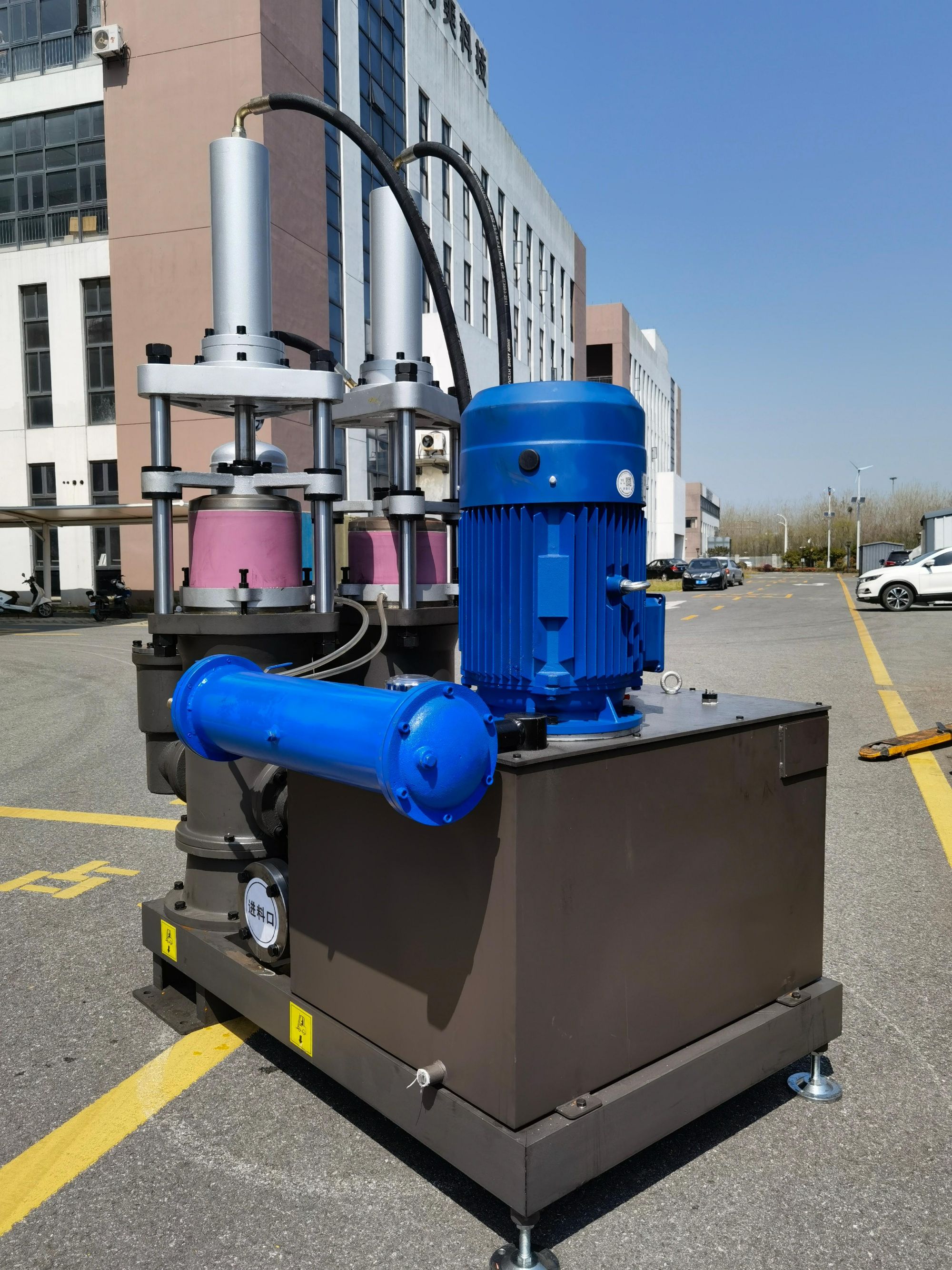
Modern hydraulic systems are being reimagined with intelligence at their core, using smart controls and adaptive mechanisms to dramatically cut energy consumption. By integrating variable-speed drives and load-sensing technology, these systems only consume power when and where it's needed, eliminating the constant drain of traditional fixed-displacement pumps. The result is a setup that adjusts its output in real time, matching flow and pressure precisely to the task at hand—whether idling, holding a load, or demanding peak force. This not only slashes electricity bills by up to 80% in some applications but also reduces thermal buildup, extending the life of the fluid and components.
Noise, often an overlooked byproduct, receives equal attention in these advanced designs. Conventional hydraulics roar with the constant hum of pumps running at full speed and the whine of fluid forcing through valves. Smart hydraulics tackle this at the source: by slowing down or stopping the pump when demand drops, the mechanical din fades to a whisper. Further gains come from optimized valve spools, quieter pump geometries, and the use of noise-dampening materials in the power unit enclosure. The difference on the factory floor is palpable—operators can communicate without shouting, and the overall environment feels less fatiguing, which is a real boost for workplace well-being and productivity.
Beyond the immediate gains, smart hydraulic systems embed intelligence that anticipates and prevents waste. Sensors placed throughout the circuit track oil condition, temperature, and component wear, feeding data to a central controller. Algorithms then tweak parameters proactively—softening accelerations, decelerating smoothly, or adjusting pressure margins—to keep everything running in its sweet spot. This predictive approach avoids energy spikes and mechanical stress, while also foreseeing maintenance needs before they escalate. The marriage of precision mechanics with digital brains means a system that's not just quieter and more efficient today, but one that learns and refines its performance over time.
From Mining to Pharmaceuticals: Cross-Industry Filtration Gains
Filtration technology has quietly evolved from a brute-force industrial necessity into a precision tool that shapes outcomes in sectors as disparate as mining and pharmaceuticals. In mining, where the goal is often to separate valuable minerals from vast quantities of slurry, the focus has traditionally been on durability and throughput. Yet advances in membrane materials and automated monitoring have enabled mining operations to not only recover more resources but also drastically reduce water consumption—a shift that brings environmental and economic benefits without compromising the rugged demands of the job.
These same core improvements in filtration science have found a surprising second life in pharmaceutical manufacturing. Here, the stakes are different: sterility, purity, and precise pore sizes are non-negotiable. Cross-industry pollination has allowed drugmakers to adapt robust, high-capacity filtration designs originally developed for harsh mining slurries into systems that can handle delicate biologic molecules. The result is more efficient virus filtration, streamlined protein purification, and aseptic processing that maintains product integrity while cutting batch times.
What ties these worlds together is a shared pursuit of efficiency through clever material engineering and process control. For instance, ceramic membranes that endure corrosive chemicals in metal extraction are now being trialed in pharmaceutical wastewater treatment, closing the loop on solvent recovery. This cross-leverage not only accelerates innovation cycles but also challenges the notion that industries must solve similar problems in isolation. As filtration becomes smarter and more adaptive, the boundaries between a mine site and a cleanroom continue to blur, revealing that the true gains lie in borrowing ideas from one field to revolutionize another.
Built for Harsh Conditions: Durability with Minimal Upkeep
When equipment is designed to withstand extreme environments, every component must pull its weight. From reinforced seals that lock out dust and moisture to impact-resistant casings that shrug off drops, the engineering focus here is on relentless endurance. High-performance coatings resist corrosion even after prolonged exposure to salt spray or industrial chemicals, while vibration-dampened mounts protect sensitive internals from constant jolting. The result is gear that doesn't just survive harsh conditions—it operates at full capacity without flinching.
Maintenance often becomes a forgotten chore with this class of rugged design. Self-lubricating bearings eliminate the need for regular greasing, and accessible modular components mean that if something does wear down, a quick swap gets you back in action. Smart diagnostics provide early warnings without requiring specialized training to interpret. By minimizing the parts that are prone to fatigue and making servicing intuitive, the system achieves low upkeep naturally, not through a long checklist of preventive tasks.
What sets truly durable builds apart is how they handle the unexpected. Instead of relying on fragile protective layers that crack over time, the materials themselves are inherently tough. UV-stabilized polymers resist sun damage without fading or becoming brittle, and hydrophobic vents equalize pressure while keeping water out permanently. This thoughtful integration of resilience into the core design means fewer interruptions, lower lifetime costs, and a confidence that your equipment will still perform when conditions turn hostile.
Precision Control for Uniform Cake Formation and Higher Solids Capture
Achieving a consistently uniform filter cake isn’t just about the equipment—it’s about how finely you can tune the pressure, flow, and timing throughout the cycle. Precision control systems continuously monitor real-time process variables and make micro-adjustments that prevent uneven particle deposition. This active balancing act keeps the cake thickness uniform across the entire filtration surface, eliminating thin spots where solids could blow through or thick zones that choke throughput prematurely.
When the cake builds evenly, the capture of fine solids rises sharply because there are no preferential flow paths. The controlled, gradual pressure ramp also protects fragile particles from fracturing, which would otherwise generate fines that escape downstream. Operators gain the ability to push for higher solids loading without risking breakthrough events, ultimately achieving drier cakes and a cleaner filtrate in a single, tightly orchestrated step.
Real-World Upgrades: How Plants Benefit from Piston Pump Retrofits
Swapping outdated pumps for modern piston retrofits isn’t just a maintenance checkbox—it’s a strategic move that reshapes plant performance from the ground up. One food processing facility, for instance, replaced its aging diaphragm units with piston pumps and immediately noticed a 30% drop in compressed air consumption. That single change slashed energy bills and quieted the constant hiss of leaks, letting operators focus on production instead of nursing fragile air systems. The upgrade paid for itself within months, not years, by eliminating the hidden costs of pneumatic inefficiency.
Beyond the balance sheet, the real magic happens in process consistency. A chemical plant documented that after retrofitting their metering pumps, batch-to-batch viscosity variations fell below 1%—down from a erratic 5% swing that used to trigger costly reworks. Operators stopped making manual adjustments each shift because the piston pump’s positive displacement design delivered the exact volume every stroke, regardless of backpressure shifts. That kind of repeatability turns a finicky process into a predictable asset, freeing engineers to tackle higher-value improvements.
Maintenance teams often see the most personal benefits. At a water treatment plant, the switch to hydraulic-driven piston pumps eliminated weekly seal replacements that had become a dreaded routine. The new pumps ran for over 10,000 hours before the first scheduled service, turning reactive wrench-turning into a planned, low-stress activity. Workers who once spent Fridays covered in grease now oversee a tidy pump skid with remote diagnostics, and the plant’s uptime chart shows a flat line at 99.8% since commissioning. The retrofit didn’t just upgrade the equipment—it upgraded the workday.
FAQ
It combines a ceramic plunger design with an advanced hydraulic drive, delivering significantly higher pressure stability and wear resistance. Unlike metal pumps, the ceramic surfaces resist corrosion from aggressive slurries and drastically cut maintenance downtime in continuous operations.
The pump generates consistent, pulse-free flow at pressures exceeding 200 bar, which forces the filter cake to form faster and with lower moisture content. This leads to shorter cycle times and higher throughput without compromising cake dryness.
Mining, chemical processing, wastewater treatment, and ceramics manufacturing see the greatest gains. In these sectors, the ability to handle highly abrasive, acidic, or hot slurries while maintaining filtration precision directly improves product recovery and reduces waste volume.
The hydraulic drive provides precise control over ramping up and holding pressure, preventing sudden surges that could tear filter cloths or cause uneven cake buildup. This gentle yet powerful action extends cloth life and ensures uniform solids separation across every cycle.
Yes, the inherent design accommodates fluctuations in solids concentration and viscosity, adjusting its stroke frequency and pressure output automatically. Operators don’t need to recalibrate for every batch, which maintains consistent filtration results even with feedstock variation.
The ceramic sealing surfaces exhibit near-zero wear over years, eliminating frequent packing and plunger replacements. Combined with reduced energy consumption from the efficient hydraulic drive and lower water usage in cake washing, total cost of ownership drops by up to 30% compared to traditional diaphragm or gear pumps.
By producing drier filter cakes, it cuts transportation and disposal costs and leachate risks. The closed hydraulic system eliminates oil leaks, while the ceramic construction avoids metallic contamination, making it suitable for zero‑liquid discharge applications and strict regulatory settings.
The ceramic piston and seals withstand temperatures above 90°C and pH levels from 0 to 14 without degradation. Unlike polymer or stainless steel components, ceramic doesn’t soften, pit, or corrode, ensuring reliable operation in the most challenging process conditions where downtime is not an option.
Conclusion
China’s high-pressure hydraulic ceramic filter press piston pump brings a transformative edge to industrial filtration by merging advanced ceramic plunger technology with intelligent hydraulic control. Traditional metal plungers suffer from rapid wear and contamination risks under corrosive slurries and extreme pressures, but the ceramic alternative resists abrasion and chemical attack, maintaining sealing integrity over extended runs. This leads to higher sustained pressure, faster cycle times, and a consistently dryer filter cake without sacrificing throughput. The pump’s hydraulic system integrates smart load-sensing features that adjust power output to actual demand, dramatically lowering energy consumption and operating noise compared to fixed-displacement setups. Plants report marked drops in both electricity bills and ambient sound levels, improving workplace conditions and sustainability profiles.
Precision flow control is another standout advantage, enabling operators to fine-tune feed rates and pressure ramps for optimal solids capture and uniform cake formation. Such control proves invaluable across diverse sectors—from metal mining concentrates to pharmaceutical intermediates—where consistent cake porosity and moisture content directly impact downstream processing or product purity. Built for harsh environments, the pump’s robust ceramic-and-steel construction shrugs off abrasive slurries and temperature swings with minimal upkeep, slashing unscheduled downtime. Real-world retrofits in existing filter press lines show immediate improvements: tighter particle retention, reduced wash water usage, and a smaller filter cloth footprint. By blending ceramic durability, adaptive hydraulics, and fine-tuned process control, these pumps deliver a low-maintenance, high-performance upgrade that redefines solid-liquid separation efficiency without complicating operations.
Contact Us
Contact Person: HaiYan
Email: [email protected]
Tel/WhatsApp: +86 18957325588
Website: https://www.senyoubeton.com/