

High-Quality Waterproof Caps That Keep You Dry in Any Weather
2026-09-22
Rain catches everyone off guard. One minute you're enjoying a walk, the next your hat is soaked through and water is running down your neck. 4ugear's high-quality waterproof caps are built to end that problem for good—sealed seams, breathable fabric, and a fit that stays put in wind. What follows is a closer look at how these caps perform when the weather turns.
The Membrane That Lets Sweat Out but Not Rain In
Most waterproof jackets make you choose: stay dry from the rain, or stay dry from your own sweat. The membrane that flips this trade-off works like a microscopic bouncer. Its pores are hundreds of times smaller than a raindrop, so external water beads up and rolls off. Yet those same pores are hundreds of times larger than a water vapor molecule, letting evaporating sweat slip through without building up that clammy, sticky feeling inside.
The real trick isn't just pore size—it's the chemistry of the surface. A hydrophobic inner layer pushes liquid sweat outward while pulling vapor away from your skin. Meanwhile, the outer face repels rain before it can even think about seeping in. Under a microscope, it looks less like a solid wall and more like a labyrinth of tilted channels that guide moisture one way and block it the other.
This isn't a new idea, but getting the balance right has taken decades. Early versions either leaked after a few washes or turned into wearable saunas. Modern membranes use electrospun nanofibers or laser-drilled polymer films, and some even adapt to temperature—opening up when you heat up, tightening when you cool down. The result feels less like wearing a plastic bag and more like a second skin that just happens to hate rain as much as you do.
Taped Seams You Won't Find on Cheap Caps
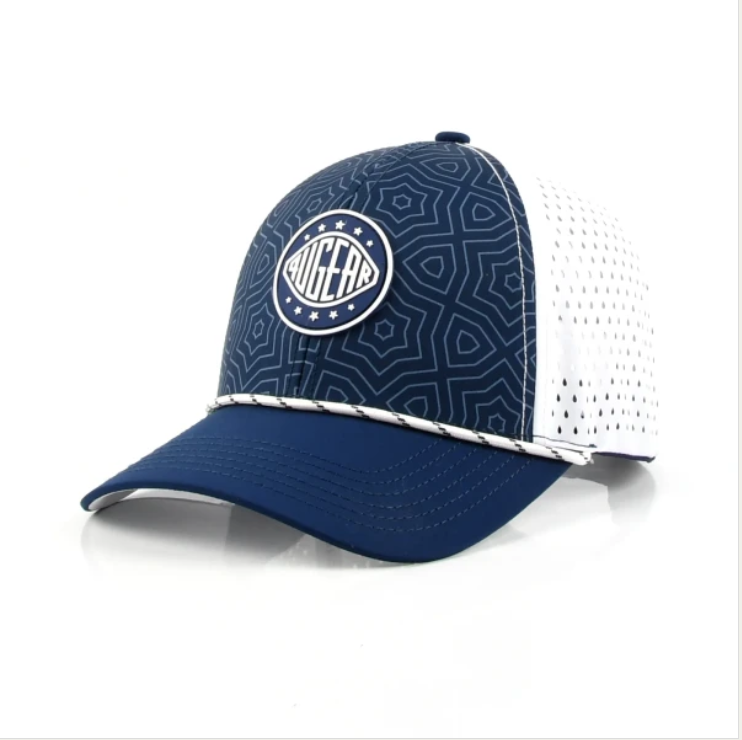
Cheap caps almost always skip the seam taping step because it adds labor and material cost. The result is a hat that soaks through at the crown and brim edges after a few minutes of real rain. Taped seams sit flat under the fabric, creating a barrier that water can't slide through. It's one of those details you don't notice until you're caught in a downpour and every other cap starts leaking while yours stays dry.
On a well-made cap, the tape follows the critical joints where panels meet, especially around the top button and along the side seams. That's exactly where water pools and finds its way in on cheaper versions. You can feel the difference by running a finger along the inside seam: if it's smooth and slightly glossy, it's taped. If it's just raw stitching with visible needle holes, expect moisture to creep in.
It's not just about staying dry, though. Taped seams also help the cap hold its shape over time, since the tape stabilizes the stitching and reduces stress at the connection points. Cheaper caps tend to stretch and sag unevenly after a few washes, while a taped one keeps its structure. That's why this small strip of material is a quick way to separate a throwaway hat from one built to last.
A Brim That Actually Sheds Water Instead of Soaking It
Most brims on the market soak up rain like a sponge, leaving you with a heavy, dripping edge that ruins visibility and comfort. This design flips that entirely. The surface is treated with a hydrophobic coating that forces water into tight beads, which roll off the moment they land. No absorption, no saturation—just a clean, quick shed that keeps the brim feather-light even in a downpour.
The secret sits in the micro-textured weave. Instead of a flat, porous layer, the brim uses a dense, angled fiber pattern that breaks surface tension on contact. Raindrops hit and skitter sideways, following the slope outward before dropping clear of your face and neck. You can stand under a gutter overflow and watch the water arc away like it hit glass.
Durability matters here too. Many water-repellent finishes wash out after a few storms, but this one is bonded at the fiber level, not just sprayed on top. Rub it, fold it, pack it wet—the shedding behavior stays consistent. That means no more soggy brim pressing against your forehead on long hikes or bike commutes.
Why the Fit Stays Put When Wind Picks Up
The peculiar stability of a well-fitted garment in gusty conditions often goes unnoticed, yet it hinges on a few deliberate construction choices. Close-fitting seams and strategic dart placement let the fabric move with the body instead of fighting it. When wind hits, the material has less slack to catch and billow, so the silhouette remains anchored.
Beyond tailoring, the choice of fabric weight and weave matters more than most realize. A medium-density twill or tightly knit jersey resists sudden lift because air can't easily penetrate or pool beneath the surface. Even a slight heft creates enough downward resistance to keep hems and collars in place without feeling stiff.
Finally, subtle reinforcements like taped shoulder seams or a gently curved back yoke stop the garment from torqueing sideways. These details prevent the fit from shifting as gusts push against one side, so you're not constantly tugging things back into alignment.
From Commutes to Ridgelines: One Cap, Zero Soaking
You know that moment when a sudden downpour turns your morning walk into a sprint? This cap laughs at it. The fabric doesn't just resist water—it shrugs it off like a rumor. Whether you're weaving through subway crowds or pushing up a muddy switchback, your head stays dry, and your focus stays sharp. No more soggy brims or drips down your neck.
The secret lies in the way the fibers are woven, not just coated. Water beads up and rolls away before it even thinks about soaking in. That means after a full day of drizzle, the cap still feels crisp to the touch. Toss it in your bag at the office, then pull it on for a ridge traverse the next morning—it doesn't care about the setting, only that you keep moving.
And because it breathes like a well-worn trail shirt, you won't end up trading rain for sweat. The brim holds its shape, the fit stays snug without pinching, and the whole thing dries fast if it ever does get splashed. One cap, zero compromises. Commute. Ridgeline. Repeat.
How the DWR Finish Survives Real Laundry Cycles
Most DWR coatings start to fade after the first few washes—that's just how surface treatments work. But what separates a decent finish from a useless one is how it holds up when you stop treating your gear like a museum piece. In real laundry cycles, with regular detergent, warm water, and the occasional spin cycle, a good DWR doesn't just vanish. It thins out unevenly, leaving the high-wear zones (shoulders, cuffs, seat) looking patchy while the rest still beads water. That unevenness is the first real sign you're not dealing with a cheap spray-on coating.
The trick isn't avoiding the washing machine—it's avoiding fabric softener and dryer sheets. Those leave a residue that clogs the microscopic texture DWR relies on. Even then, a quality finish can survive twenty to thirty regular cycles before you need to reapply. The key is heat reactivation: a few minutes in the dryer on medium does more to restore water repellency than any fancy tech wash. That's the part nobody tells you—the finish isn't actually gone, it's just flattened.
What kills DWR faster than washing is dirt. Abrasion from grit acts like sandpaper on the coating, so a clean jacket lasts longer than a dirty one, even if you wash it more often. If you want the finish to survive real life, wash it when it's actually dirty, skip the softener, and give it some heat now and then. That's the whole secret, and it works better than any expensive re-proofer.
FAQ
The fabric combines a tightly woven outer shell with a breathable membrane and taped seams. That trio stops rain from sneaking through stitch holes and keeps the cap from soaking through during a downpour.
Yes, if you pick a style with under-brim vents or a moisture-wicking inner band. The waterproof layer blocks rain, while the venting lets sweat escape, so you stay dry from both outside and inside.
Many work across seasons. A low-profile design with a wide brim keeps rain off your face, and the shell cuts wind chill. For winter, look for a fleece-lined version that adds insulation without bulk.
Rinse it in cold water and scrub gently with a soft brush if it's muddy. Skip the washing machine and harsh detergents. Air dry only, and if water stops beading on the surface, apply a spray-on DWR treatment to restore performance.
Look for an adjustable chin cord or a rear toggle. A snug but not tight fit around the crown helps too. Some designs use a grippy inner band to prevent slipping when the wind picks up.
Yes, many waterproof caps use soft shell fabrics that fold flat and bounce back without creasing. You can stuff one into a daypack or jacket pocket, though a brim with a stiff insert is better for heavy rain than one that collapses.
Make sure the brim is wide enough to shield your glasses or eyes, the inside doesn't trap heat, and the seams along the crown are taped. Reflective details help if you bike or walk in low light.
Most waterproof caps come in unisex sizes with an adjustable back strap or toggle. Women may prefer a slightly lower profile or smaller brim, but the same fabric and waterproofing apply across the range.
Conclusion
You can spot the difference the moment rain hits the brim. Instead of darkening and soaking through like most caps, the water beads up and rolls straight off, leaving the fabric light and stiff rather than soggy. That alone sets it apart, but what really matters is what's underneath. The membrane inside blocks rain from getting in while still letting sweat escape, so you don't end up with that clammy, steamed-up feeling after a brisk walk or climb. And the seams? They're taped, not just stitched. On cheap caps those stitch holes become leak points within minutes of steady rain. Here, every seam is sealed from the inside, which means water has no easy path through the gaps.
Fit is another place where this cap quietly outperforms the usual options. When wind gusts hit, the low-profile shape and adjustable closure keep it anchored without squeezing your temples or sliding back. You can wear it on a crowded train platform, then straight onto an exposed ridge, and it won't need constant readjusting. The DWR finish also holds up through actual laundry cycles—not just a light rinse—so the water-shedding ability doesn't vanish after the first wash. After months of commuting and weekend hikes, it still shrugs off rain instead of absorbing it. That kind of staying power is rare, and it's the reason this cap works as a daily staple rather than a fair-weather accessory.
Contact Us
Contact Person: Tommy
Email: [email protected]
Tel/WhatsApp: 8613546956008
Website: https://www.4ugearsupply.com/