
Full Servo Baby Diaper Production Line: Streamlining Modern Diaper Manufacturing
2026-04-02
In the fast-paced world of diaper manufacturing, efficiency and precision are paramount for meeting the demands of modern parents. That's where the Full Servo Baby Diaper Production Line comes in—a revolutionary system designed to streamline production from start to finish. At Womeng, we pride ourselves on integrating cutting-edge technology to ensure every diaper is crafted with the highest quality and consistency. This blog post explores how this advanced line is transforming the industry, offering insights into its features, benefits, and the future of sustainable diaper manufacturing. Dive in to discover how Womeng is leading the charge with innovative solutions that keep babies comfortable and parents confident.
Enhancing Efficiency with Advanced Full Servo Technology
At the heart of modern manufacturing lies a relentless pursuit of precision and speed, where advanced full servo technology emerges as a game-changer. Unlike traditional systems that rely on mechanical linkages or partial automation, this approach integrates servo motors across every axis of motion, offering unparalleled control and responsiveness. By enabling real-time adjustments in force, speed, and position, it eliminates the inefficiencies of overshooting or lag, ensuring operations flow seamlessly from start to finish. This isn't just about incremental improvements; it's a transformative shift that redefines what's possible on the production floor.
What truly sets advanced full servo technology apart is its adaptability in dynamic environments. Imagine a production line handling diverse materials or fluctuating demands—this system adapts on the fly, optimizing energy use and reducing waste without manual intervention. For example, in packaging applications, it can fine-tune sealing pressure based on material thickness, cutting down on errors and downtime. This smart responsiveness not only boosts throughput but also extends equipment lifespan by minimizing wear and tear, making it a sustainable choice for forward-thinking industries.
Beyond raw performance, the integration of full servo technology fosters a more intuitive workflow, empowering operators with data-driven insights. With advanced sensors and feedback loops, it provides detailed analytics on machine health and process efficiency, allowing for proactive maintenance and continuous improvement. This human-centric design ensures that technology serves as a supportive tool, not a complex barrier, driving innovation while keeping operational simplicity in focus. In essence, it's about creating a synergy where machines and people work smarter, not harder, to achieve peak efficiency.
Optimizing Production Through Precision Control Systems
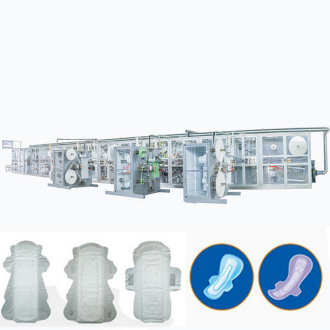
Precision control systems represent the backbone of modern manufacturing, allowing companies to fine-tune every aspect of their production lines for maximum efficiency and minimal waste. By integrating advanced sensors, real-time data analytics, and automated feedback loops, these systems empower manufacturers to respond instantly to fluctuations in raw materials, environmental conditions, or equipment performance. This level of control transforms production from a static process into a dynamic, adaptive operation, where even the smallest adjustments can lead to significant gains in throughput and product quality.
In today's competitive landscape, achieving optimization isn't just about speed—it's about consistency and reliability. Precision control systems delve deep into the nuances of production, enabling operators to maintain tight tolerances and uniform outputs across batches. Whether it's managing temperature in a chemical reactor or calibrating robotic arms on an assembly line, these tools ensure that each step meets exact specifications. This reduces the risk of defects, lowers rework costs, and enhances overall operational agility, giving businesses a crucial edge in delivering high-standard products on time.
Ultimately, the adoption of precision control systems fosters a culture of continuous improvement within production environments. By leveraging insights from predictive maintenance models and performance metrics, companies can proactively address bottlenecks and innovate processes before issues escalate. This forward-thinking approach not only boosts productivity but also supports sustainability efforts by optimizing resource use and energy consumption. As industries evolve, embracing such systems becomes essential for staying ahead, transforming traditional manufacturing into a smarter, more resilient enterprise.
Scaling Up with Flexible and Modular Design Features
Today's digital landscape demands solutions that can grow alongside your business without constant overhauls. That's where flexible and modular design comes into play, allowing you to adapt and expand seamlessly. By using scalable components, you can integrate new features as needed, reducing downtime and keeping your operations agile.
A modular approach lets you customize your system piece by piece, from backend integrations to user interfaces. This not only speeds up development but also makes maintenance easier, as updates can be targeted to specific modules without disrupting the whole setup.
Embracing this design philosophy means you're future-proofing your projects, ready to pivot or scale with minimal friction. It's about building smarter, not harder, to stay ahead in a fast-paced environment.
Boosting Quality Assurance in Diaper Manufacturing
In the competitive world of diaper production, enhancing quality assurance isn't just about meeting basic standards—it's a strategic move that directly impacts brand reputation and consumer trust. Manufacturers are increasingly focusing on rigorous testing protocols, from raw material inspection to final product checks, ensuring every diaper meets strict safety and comfort benchmarks. This proactive approach helps catch potential issues early, reducing waste and recalls, which ultimately saves costs and builds loyalty in a market where parents demand reliability for their little ones.
Innovations in technology are playing a key role here, with automated sensors and AI-driven systems monitoring production lines in real-time to detect even minor defects that human eyes might miss. By integrating these advanced tools, companies can maintain consistent quality across batches, adapting quickly to changing materials or designs. It's not just about avoiding mistakes; it's about creating a culture of excellence where every step, from absorbency testing to fit validation, is optimized for peak performance, giving families peace of mind with every use.
Ultimately, boosting quality assurance goes beyond compliance—it's about storytelling that resonates with consumers. When manufacturers transparently share their commitment to high standards through clear labeling and quality certifications, they differentiate themselves in a crowded market. This builds a strong brand identity rooted in care and precision, turning satisfied customers into advocates who spread word-of-mouth praise, driving long-term success in the ever-evolving diaper industry.
Customizing Lines for Diverse Market Demands and Sizes
In today's fast-paced business environment, companies face a constant stream of shifting consumer preferences and varying market scales. To stay competitive, it's crucial to tailor product lines that not only meet but anticipate these diverse needs. By incorporating flexible manufacturing processes and modular design principles, businesses can create offerings that easily adapt to different regions, customer segments, and emerging trends. This approach ensures that products resonate more deeply with local audiences while maintaining a cohesive brand identity across the board.
Leveraging advanced data analytics and direct customer feedback, organizations can identify subtle nuances in demand patterns, allowing for precise customization without overextending resources. For instance, a clothing brand might introduce exclusive sizes and styles for specific demographics, such as petite or tall ranges, or develop eco-friendly variants for environmentally conscious markets. This targeted strategy not only boosts customer satisfaction but also opens up new revenue streams by tapping into previously underserved niches. It's about crafting a portfolio that feels uniquely personal to each buyer, enhancing loyalty and driving repeat engagement.
Ultimately, the ability to customize lines effectively hinges on a culture of innovation and agility. Companies that continuously iterate based on real-time insights can swiftly adjust to economic fluctuations, seasonal shifts, and competitive pressures. By building scalable systems, from supply chain logistics to marketing campaigns, they ensure that every product launch or refresh aligns with current market dynamics, creating a lasting impact in a crowded landscape and fostering sustained growth across all business sizes.
Reducing Waste and Costs with Sustainable Innovation
In today's fast-paced industrial landscape, sustainable innovation is no longer just a buzzword but a powerful strategy for cutting waste and expenses. By rethinking traditional processes and materials, companies can implement eco-friendly alternatives that not only minimize environmental impact but also streamline operations. For instance, adopting circular economy principles, such as reusing and recycling materials, directly reduces landfill contributions while lowering raw material costs. This approach fosters a leaner, more agile business model where every resource is optimized, from energy consumption to supply chain logistics, ultimately creating a win-win scenario for both the planet and profitability.
One real-world example involves incorporating biodegradable packaging solutions in manufacturing and retail. These innovations not only divert tons of plastic from oceans and landfills each year but also resonate with environmentally conscious consumers, enhancing brand loyalty. Beyond that, investing in energy-efficient technologies, like smart sensors and renewable energy sources, can significantly slash utility bills over time. By viewing sustainability as an opportunity rather than a burden, organizations can uncover hidden efficiencies, reduce operational overhead, and stay ahead in competitive markets, proving that green practices are integral to long-term financial health.
Moreover, integrating AI-driven analytics into sustainability efforts can fine-tune waste reduction even further. By analyzing data on production cycles and resource usage, companies can identify patterns and predict areas of excess, allowing for proactive adjustments that curb unnecessary expenditures. Such innovations empower teams to make informed decisions that align with both ecological goals and cost-cutting targets, fostering a culture of continuous improvement. In essence, embracing sustainable innovation transforms challenges into catalysts for growth, ensuring resilience in an ever-evolving global economy.
FAQ
It's an automated manufacturing system designed for producing baby diapers with servo-driven components, enhancing precision and efficiency in the production process.
By integrating advanced servo technology, it reduces waste, increases speed, and allows for flexible customization, making the manufacturing process more agile and cost-effective.
Key technologies include servo motors for precise control, automated cutting and sealing systems, and real-time monitoring software to optimize production quality.
Manufacturers gain benefits such as reduced downtime, lower energy consumption, improved product consistency, and the ability to quickly adapt to changing market demands.
The production line enhances diaper quality by ensuring precise material placement, better absorbency control, and fewer defects, leading to safer and more reliable products for consumers.
It's especially useful for the childcare and hygiene product industries, including companies focused on disposable goods, medical supplies, and sustainable manufacturing innovations.
Conclusion
The Full Servo Baby Diaper Production Line revolutionizes modern diaper manufacturing by enhancing efficiency with advanced servo technology. It integrates precision control systems that monitor and adjust every phase of production, from material feeding to sealing and packaging, ensuring minimal downtime and consistent output. This technology allows for rapid changeovers between different diaper types, reducing setup times and boosting overall productivity. By leveraging automated feedback loops and real-time data analytics, the line achieves unparalleled speed and accuracy, making it a cornerstone for high-volume operations seeking to optimize resource use and meet growing market demands without compromising on performance or reliability.
In addition to efficiency gains, the production line excels in scalability and sustainability through its flexible, modular design. It easily adapts to diverse market needs by customizing diaper sizes and features, while precision control systems bolster quality assurance to detect defects early. This minimizes waste through sustainable innovations like material-saving mechanisms and energy-efficient components. By reducing operational costs and aligning with eco-friendly practices, the line not only enhances diaper quality but also supports long-term profitability. Its ability to balance high customization with low environmental impact positions manufacturers to thrive in competitive markets, making it a versatile and forward-thinking solution for modern diaper production.
Contact Us
Contact Person: Jessie Lai
Email: [email protected]
Tel/WhatsApp: 86-188594442931
Website: https://www.wm-machinery.com