
FRP Handrails in China: A Comprehensive Guide to Durability and Design
2026-03-11
Welcome to our in-depth exploration of FRP handrails in China, where durability meets innovative design. If you've ever wondered how these essential safety components can withstand harsh environments while maintaining aesthetic appeal, you're in the right place. FRP handrails offer a unique blend of strength, corrosion resistance, and versatility, making them a top choice for various sectors across China. In this comprehensive guide, we'll dive into key factors that ensure long-lasting performance and sleek aesthetics, tailored to meet diverse needs. Whether you're a project manager, architect, or simply curious about construction materials, this blog will provide valuable insights and practical tips to enhance your understanding and decision-making. Discover why leading projects trust Sino Grating for high-quality FRP solutions, setting the standard in the industry. Get ready to explore the future of handrail technology and how it's shaping modern infrastructure.
The Science of FRP Handrail Endurance in China's Climate
China's diverse climate, ranging from the humid subtropics of the south to the arid deserts of the northwest, presents unique challenges for construction materials like FRP handrails. The endurance of these components hinges on their ability to withstand extreme temperature fluctuations, high humidity, and corrosive coastal environments. Researchers have been investigating how FRP composites resist degradation under such conditions, focusing on factors like resin selection, fiber reinforcement, and protective coatings that enhance durability.
In coastal regions, where salt-laden air can accelerate corrosion in traditional metals, FRP handrails offer a significant advantage due to their inherent resistance to rust and chemical attack. Studies show that properly formulated FRP materials maintain structural integrity even after prolonged exposure to saline atmospheres, reducing maintenance costs and extending service life. This makes them particularly valuable in infrastructure projects along China's extensive coastline, where longevity is critical for safety and sustainability.
Beyond coastal areas, FRP handrails in China must also endure the rigors of urban pollution, which includes acidic rain and particulate matter that can degrade surfaces over time. Advanced manufacturing techniques, such as incorporating UV stabilizers and anti-aging additives, have been developed to counteract these effects. Real-world testing in cities like Beijing and Shanghai confirms that these enhancements help FRP handrails retain their aesthetic appeal and mechanical strength, ensuring they perform reliably in varied climatic zones across the country.
Innovative Design Trends for Modern Chinese Architecture
Recent architectural developments in China showcase a fascinating blend of cutting-edge technology and deep-rooted cultural narratives. Instead of merely replicating traditional forms, many contemporary designs reinterpret symbolic elements like flowing water or mountainous contours to create fluid, organic structures. This approach not only honors heritage but also pushes the boundaries of sustainability, often integrating green roofs and energy-efficient materials that reflect a growing environmental consciousness in urban spaces.
In bustling cities such as Shanghai and Shenzhen, architects are embracing adaptive reuse, transforming industrial sites into vibrant hubs for art and community engagement. These projects highlight a trend toward human-centric design, where open layouts and natural light foster social interaction and well-being. By weaving public gardens and walkways into high-rise complexes, these spaces challenge the conventional skyscraper model, prioritizing livability over sheer scale—a subtle yet powerful shift in China's urban landscape.
Looking ahead, digital fabrication and parametric design are enabling more intricate, site-specific creations that respond dynamically to local climates and cultural contexts. From AI-driven planning tools to modular construction techniques, these innovations allow for greater customization and resilience. This trend suggests a future where Chinese architecture not only stands out aesthetically but also leads in crafting adaptable, functional spaces that resonate with both global trends and regional identities.
Material Composition and Customization Options Available
Diving into the materials of our products reveals a thoughtful blend of innovation and sustainability. We source high-quality, durable fabrics like organic cotton, recycled polyester, and performance blends that not only feel great but also stand the test of time. Each material is selected for its specific properties, whether it's moisture-wicking for active wear or softness for everyday comfort, ensuring that every piece meets your needs without compromising on quality or environmental impact.
When it comes to customization, the possibilities are nearly endless. You can choose from a wide range of colors, patterns, and finishes to make each item uniquely yours. Add personal touches like monograms, embroidered logos, or custom sizes to tailor the fit and style perfectly. Our flexible options allow you to mix and match elements, creating something that reflects your individuality or brand identity seamlessly.
Beyond aesthetics, our customization extends to functionality. Opt for features such as extra pockets, reinforced seams, or adjustable components to enhance usability. Whether you're designing for personal use, corporate gifts, or retail collections, our team works closely with you to bring your vision to life, ensuring every detail aligns with your goals. Explore these options to craft products that truly resonate with your audience.
Installation Best Practices for Long-Term Reliability
When aiming for long-term reliability during installation, focus on the fundamentals: start by thoroughly reviewing all manufacturer guidelines and specifications. Every component has unique tolerances and requirements, so skipping this step can lead to premature failures down the line. Consider factors like environmental conditions—humidity, temperature fluctuations, and vibration—and adjust your approach accordingly. For instance, in industrial settings, using anti-corrosion coatings or shock-absorbing mounts can significantly extend the lifespan of equipment. It's not just about following a checklist; it's about thinking ahead to anticipate potential issues before they arise.
Another key aspect is to implement a phased or modular installation process whenever possible. By breaking down the setup into smaller, manageable stages, you can conduct thorough inspections and tests at each step, catching minor errors before they compound into major problems. This method also allows for easier maintenance and upgrades over time, reducing downtime in the long run. Tools like torque wrenches and calibrated instruments should be used to ensure precise adjustments, rather than relying on guesswork. Remember, a rushed installation might seem efficient initially, but it often sacrifices durability for short-term gains.
Finally, prioritize documentation and training as part of the installation process. Keep detailed records of all steps taken, including photos, notes on adjustments made, and any deviations from standard procedures. This documentation serves as a valuable reference for future troubleshooting and maintenance, helping sustain reliability for years. Additionally, ensure that all personnel involved receive proper training on the installed system's operation and care, fostering a culture of accountability and proactive upkeep. By embedding these practices into your workflow, you create a solid foundation that withstands the test of time with minimal intervention.
Safety Standards and Compliance Requirements in China
Navigating the landscape of safety standards and compliance in China requires a nuanced understanding of the regulatory environment, which has evolved significantly in recent years. Key frameworks like the China Compulsory Certification (CCC) system mandate rigorous testing for products ranging from electronics to automotive components, ensuring they meet national safety benchmarks. Beyond this, industry-specific regulations, such as those for construction or food safety, impose additional layers of scrutiny, often tailored to local conditions and emerging risks. For businesses operating in China, staying abreast of these dynamic requirements is not just a legal necessity but a strategic advantage, as non-compliance can lead to costly penalties and reputational damage. Engaging with local experts and using real-world case studies can help demystify the process, making compliance more manageable and effective.
In practice, compliance in China often involves a blend of formal standards and informal best practices, shaped by regional variations and stakeholder expectations. For instance, in the manufacturing sector, adherence to standards like GB/T (Guobiao standards) might be complemented by internal audits and third-party certifications to build trust with partners and consumers. Moreover, the rise of digital platforms and smart technologies has introduced new safety considerations, such as data security under laws like the Cybersecurity Law, requiring companies to integrate tech-savvy approaches into their compliance strategies. By fostering a culture of safety that extends beyond mere box-ticking, organizations can not only avoid regulatory pitfalls but also enhance operational efficiency and brand integrity in a competitive market.
Looking ahead, the trajectory of safety standards in China continues to shift, influenced by global trends, domestic priorities, and public health concerns. Recent updates in areas like environmental protection and workplace safety reflect a broader push towards sustainability, prompting businesses to adapt their practices proactively. For example, stricter emissions controls or enhanced worker protection measures may require investments in new technologies or training programs. By anticipating these changes and embedding flexible compliance mechanisms, companies can turn regulatory challenges into opportunities for innovation, fostering resilience and long-term success in one of the world's largest economies.
Cost-Effectiveness and Maintenance Considerations
When evaluating any investment, it's crucial to look beyond the initial price tag and consider the total cost of ownership over time. Cost-effectiveness isn't just about finding the cheapest option upfront; it's about striking a balance between affordability and long-term value. For instance, a slightly more expensive product with lower maintenance needs and higher durability might save you money in the long run compared to a budget choice that requires frequent repairs or replacements. Think of it as investing in reliability—pay a bit more now to avoid unexpected expenses down the road, which can add up quickly and disrupt your operations or budget.
Maintenance plays a pivotal role in this equation, often acting as the silent factor that determines true cost-effectiveness. Regular upkeep might seem like a hassle or an extra cost, but it's actually a proactive measure that prevents bigger problems later on. By scheduling routine checks and minor repairs, you can extend the lifespan of your equipment or systems, reducing the need for costly overhauls or emergency fixes. This approach not only saves money but also minimizes downtime, ensuring that your resources remain functional and efficient when you need them most, without those frustrating interruptions that can throw a wrench in your plans.
In today's competitive landscape, standing out means focusing on smart savings rather than just cutting corners. Many overlook the hidden costs tied to maintenance, like labor, parts, and lost productivity during repairs. To truly differentiate, prioritize solutions that offer ease of maintenance—think user-friendly designs, accessible components, and clear guidelines that empower you or your team to handle tasks without always calling in expensive experts. This hands-on approach can transform maintenance from a burden into a manageable routine, boosting cost-effectiveness by keeping expenses predictable and under control, while fostering a sense of ownership and reliability in your investments.
FAQ
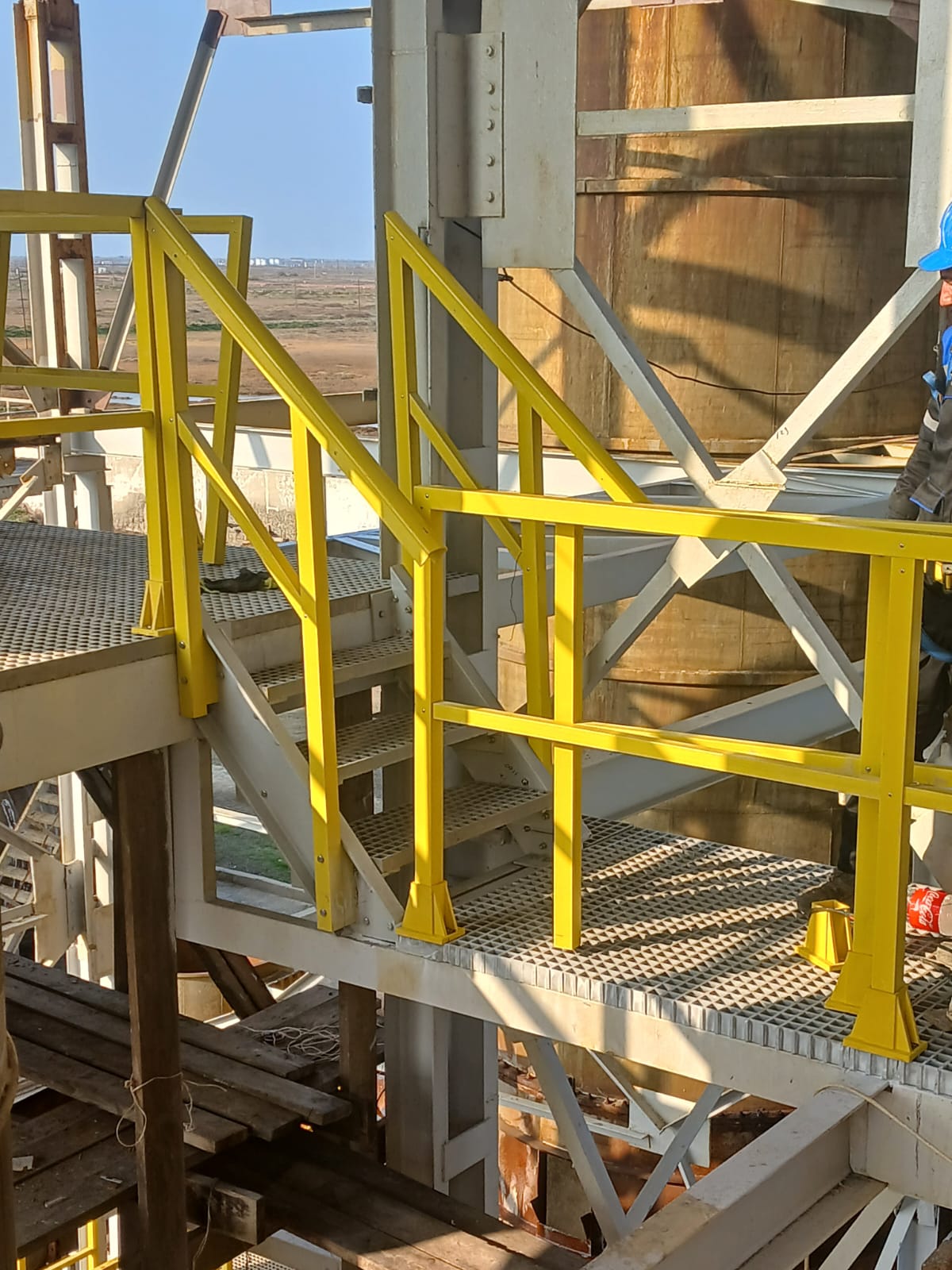
FRP handrails in China are known for their exceptional durability due to factors like resistance to corrosion, UV stability, and high strength-to-weight ratio, often outperforming wood, steel, or aluminum in harsh environments.
The design process blends aesthetics with functionality by offering customizable colors, textures, and patterns while ensuring safety features like non-slip surfaces and ergonomic shapes, tailored to various architectural styles.
Key considerations include adherence to local building codes, proper anchoring techniques to handle load requirements, and seamless integration with existing structures for minimal maintenance and long-term reliability.
Chinese FRP handrails often prove more cost-effective over time due to lower maintenance needs, resistance to damage, and longer service life, reducing replacement and repair costs compared to materials like wood or metal.
Environmental impacts vary by manufacturer, but many in China are adopting eco-friendly resins and recycling methods to minimize waste and energy use, while their durability supports sustainability by reducing resource consumption.
Yes, they can be customized for industrial uses like chemical plants or coastal areas by adjusting formulations for enhanced chemical resistance or weatherproofing, with options for bespoke dimensions and features.
Conclusion
FRP handrails in China address a unique set of challenges and opportunities, blending material science with architectural innovation. The science of FRP endurance directly tackles China's diverse climate, from humid coastal areas to frigid northern regions, by leveraging advanced material compositions like isophthalic polyesters and vinyl esters to resist UV degradation, corrosion, and thermal stress. This durability is paired with cutting-edge customization options, allowing for seamless integration into modern Chinese architecture, where sleek, minimalist designs and bold geometric forms are increasingly popular. By focusing on these material and design aspects, FRP handrails not only meet aesthetic demands but also ensure long-term performance in harsh environmental conditions.
Practical considerations further enhance the value of FRP handrails in the Chinese market. Installation best practices emphasize proper anchoring and alignment to prevent issues like wobbling or cracking, which is crucial for long-term reliability in high-traffic areas such as skyscrapers and public infrastructure. Compliance with China's stringent safety standards, such as GB codes, ensures that these installations protect users while avoiding legal pitfalls. Cost-effectiveness is a key advantage, as FRP's low maintenance needs—requiring only occasional cleaning and inspection—reduce lifecycle expenses compared to traditional materials like steel or wood. This combination of durability, safety, and economic efficiency makes FRP handrails a smart choice for projects across China.
Contact Us
Contact Person: Nicholas Zhu
Email: [email protected]
Tel/WhatsApp: 18921275456
Website: https://www.sino-grate.com