

Flame Retardant Blinds Company Offers Fire-Safe Window Coverings for Every Room
2026-11-02
Most people never think about their blinds until a fire breaks out—but that’s exactly when the right window covering can make a life-saving difference. ROLLERGY is on a mission to change that with flame retardant blinds designed for every room, combining certified fire resistance with modern aesthetics. In this article, we’ll break down how these fire-safe window coverings work, where they matter most, and why they’re a smart addition to any home.
Why Window Coverings Often Get Overlooked in Fire Safety
Window coverings rarely enter the conversation when people map out fire risks at home. Most attention goes to smoke detectors, wiring, kitchen hazards, and clear exit paths. Curtains and blinds sit in a strange middle ground—they are always visible, yet their role in how a fire spreads or how quickly someone can escape is rarely questioned.
Part of the reason is that these items feel more like furniture than fuel. They hang quietly, get adjusted for light and privacy, and rarely cause trouble on their own. But when a fire starts nearby, lightweight fabrics can ignite fast and drop burning material onto floors or upholstery. In bedrooms and living areas, especially with large windows, that added fuel load can change how much time people have to react.
Another overlooked angle is escape. Heavy drapes or poorly placed blinds can tangle around window locks, slow down opening, or block a secondary exit entirely. Since windows are often the backup route when a hallway fills with smoke, anything that makes that route harder to use deserves more attention than it usually gets.
A Safer Living Room Starts With the Right Blinds
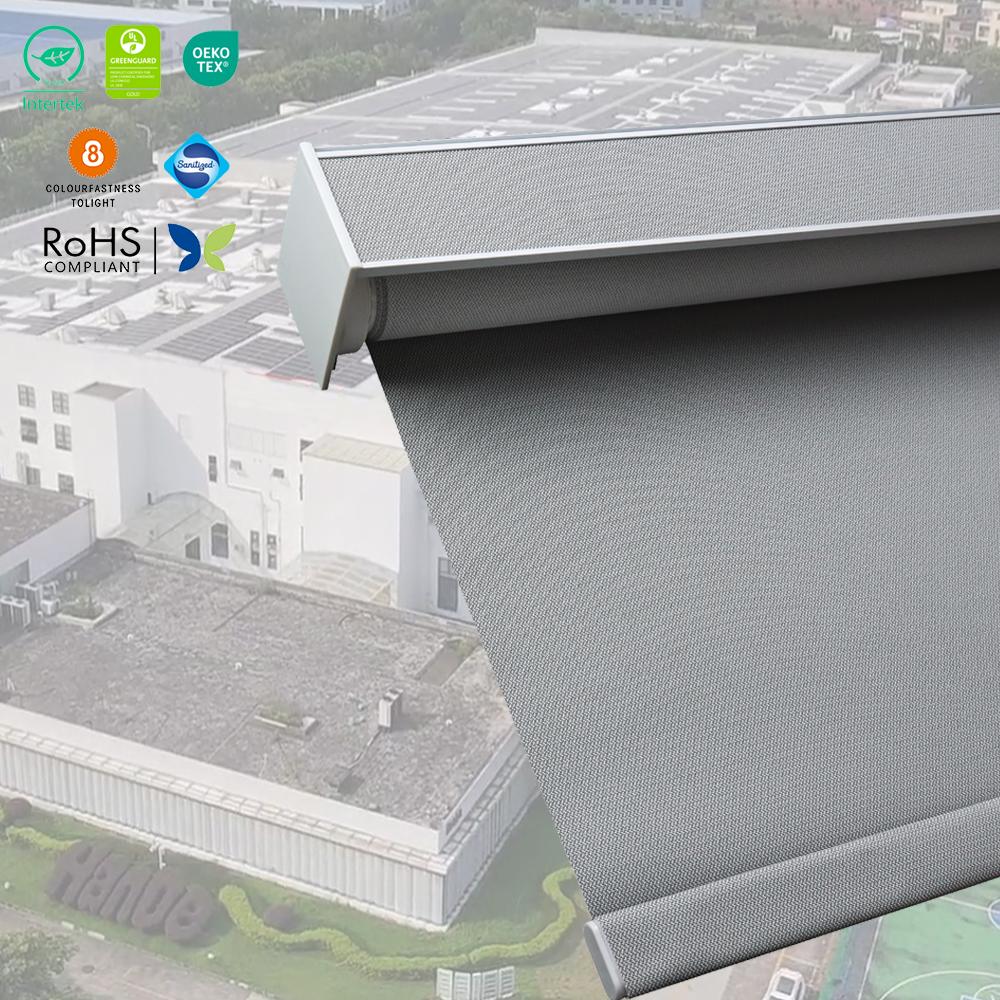
Most people think of blinds as a quick way to control light and privacy, but the hardware you choose can also remove a real hazard from your home. Corded window coverings have been linked to child and pet accidents for years, and swapping them for cordless or motorized versions is one of the simplest updates you can make without redoing the whole room.
Cordless blinds don't just look cleaner along the window frame—they remove dangling loops that curious hands or paws can reach. Many manufacturers now offer wand-operated or spring-loaded lift systems, and some even respond to remote controls or voice assistants, so you never need to pull on anything that could break or tangle.
Beyond safety, the right material matters in a busy living room. Choose a wipeable fabric or a sturdy composite for high-traffic areas, and check that all mounting brackets are covered or rounded. Small changes like these keep the room comfortable and give you one less thing to worry about when the kids are playing on the floor.
Flame Retardant Fabrics Without the Itch or Odor
Early flame retardant fabrics earned a rough reputation for a reason: many relied on topical treatments that left a stiff, scratchy surface and a lingering chemical smell. The shift toward inherent flame resistance and low-odor finishing chemistries has changed that equation. Fabrics made with modified acrylic, aramid, or carefully blended cellulosic fibers can now pass rigorous flammability tests without burdening the wearer with constant irritation or an unpleasant off-gassing.
Comfort is no longer an afterthought. Modern manufacturing controls fiber denier, weave structure, and finishing bath pH to keep the hand soft and the odor profile neutral. In uniforms, transit seating, and children’s sleepwear, these fabrics maintain their protective properties through dozens of industrial washes while staying comfortable against the skin. Users report fewer complaints about redness or itching, and the absence of sharp smells makes enclosed spaces far more pleasant.
Bedrooms, Nurseries, and Kitchens All Need the Same Care
It’s easy to treat the kitchen as the only room that demands daily wiping and disinfecting, but bedrooms and nurseries pick up just as much dust, skin cells, and tracked-in dirt. Mattresses, pillowcases, stuffed animals, and curtains all hold onto allergens that you can’t see. Giving these spaces the same attention—washing linens often, vacuuming corners, and wiping down headboards or crib rails—keeps the air noticeably fresher.
A nursery might look tidy while hiding buildup on toys, changing tables, and floor mats where a baby spends hours. The same goes for a bedroom: nightstands, light switches, and door handles get touched constantly but rarely get cleaned. Rather than saving deep cleaning for weekends, quick daily pass-throughs and a once-a-week reset in each room stop grime from settling in.
When all three rooms receive the same level of care, it stops feeling like an endless chore. You start to notice which areas collect hair or dust fastest, and you adjust as you go. The result is a home that doesn’t just look clean in the main living space but actually feels cleaner in the places where people sleep, rest, and eat.
The Quiet Difference Fire-Safe Blinds Make at Home
Fire-safe blinds rarely get the attention they deserve. They don't beep, flash, or demand a monthly test, but in the first few minutes of a house fire, they can quietly do what ordinary window coverings won't. Instead of catching flame and feeding it upward, they resist ignition and slow the spread of heat and smoke across the window line—often the very path a fire uses to move from room to room.
What makes the difference is less about drama and more about the materials. Many fire-safe blinds are woven or treated with flame-retardant fibers that stop small flare-ups from turning into a curtain of fire. In a bedroom or living area, that can buy the extra seconds needed to reach a door or grab a child. And because they look like everyday blinds, you don't have to trade style for that kind of protection.
For families with older adults or young children, the value is even quieter: peace of mind. You may never notice the blinds doing their job, but knowing they won't accelerate a fire changes how you feel at night. It's a small, unspoken layer of safety that sits right at the edge of your view—working only when it matters most.
How to Choose Coverings That Hold Up When It Counts
Durability isn't about the thickest material or the highest price tag. It's about matching the covering to the specific abuse it will face. A kitchen floor sees dropped pans and oil splatter; a mudroom sees grit and moisture; a commercial hallway sees constant foot traffic but rarely a spill. Start by listing what actually happens in the space, then look for coverings that shrug off those exact stresses rather than chasing a generic "heavy duty" label.
For most demanding spots, dense, low-pile materials beat plush ones. Tightly woven polypropylene or nylon holds its shape under rolling chairs and muddy boots, while a loose loop can snag and unravel. If moisture is a concern, go for sealed surfaces or waterproof cores—luxury vinyl plank and porcelain tile resist warping where laminate or hardwood will swell. Pay attention to the backing too. A covering that shifts or crumbles underneath fails long before the top layer shows wear.
Finally, trust real-world testing over marketing claims. Ask for a sample and bend it, scratch it, drop a wet sponge on it. Run a key across the surface. If the dealer won't let you abuse a sample, that tells you something. The coverings that hold up are usually the ones whose flaws show up in the first thirty seconds—not after three years of daily use.
FAQ
They carry a broad selection including vertical blinds for sliding doors, roller shades for bedrooms, Roman shades for living areas, and blackout options for nurseries. Each style is treated with fire-resistant materials without compromising on texture or color.
Yes, the collection includes moisture-resistant fabrics that handle humidity well, making them a practical choice for kitchens and bathrooms while still meeting fire safety standards.
The fabrics undergo independent testing and meet recognized flammability standards. They also provide documentation on request so you can verify the safety ratings for your specific application.
Absolutely. There are plenty of neutral tones, wood-look finishes, and soft pastels, so you don't have to sacrifice style for safety. Custom sizing and valance options are also available.
The fire-resistant properties are integrated into the fibers rather than applied as a surface coating, so they remain effective through normal cleaning and daily use.
High-traffic areas like family rooms, children's bedrooms, and home offices benefit the most, but the range is designed for any room where sunlight, electronics, or heating sources are present.
Yes, every order includes hardware and clear instructions, and their support team can walk you through measuring and mounting if you need extra help.
Yes, many styles come with cordless lift systems or motorized controls, which reduce hazards and add convenience for hard-to-reach windows.
Conclusion
Most households spend plenty of time thinking about smoke alarms and escape routes, yet window coverings rarely enter the conversation. That blind spot is exactly what Flame Retardant Blinds Company wants to close. Their fire-safe options start with fabrics that resist ignition without the stiff, itchy feel or chemical smell many people associate with treated textiles. A living room can keep its soft, layered look while adding a practical layer of protection. Bedrooms, nurseries, and kitchens get the same attention, since each room has its own risks—curling irons near bedroom windows, stove splatter in the kitchen, or a nightlight too close to nursery drapes.
The difference shows up in the details. These coverings don't draw attention to themselves; they simply hold up longer when exposed to heat and flame, giving families extra seconds to react. Choosing the right blinds means looking beyond color and style to how the material behaves under stress. Flame Retardant Blinds Company focuses on that quiet performance, offering options that feel like normal home decor but act as a safeguard. For anyone who has overlooked window coverings in a home safety plan, this is a straightforward way to make every room a little more resilient.
Contact Us
Contact Person: Vivien Cheng
Email: [email protected]
Tel/WhatsApp: +86 13751758835
Website: https://www.rollergytech.com/