

Flame Resistant Fabric Innovations: Protecting Workers Across High-Risk Industries
2026-07-02
When a split-second can mean the difference between safety and catastrophe, what stands between a worker and an unpredictable hazard is often just the fabric on their back. Across industries where fire is a daily reality—refineries, welding bays, electrical stations—the quest for flame‑resistant protection has never been more urgent. Yet, tradition meets transformation in the latest wave of FR fabric innovations, moving beyond bulky, uncomfortable gear to deliver breathable, durable, and truly wearable safety. At the heart of this shift is DROTEX, pioneering materials that blend advanced fiber science with real‑world performance. This blog peels back the layers of modern FR technology, exploring how cutting‑edge textiles are rewriting the rules of thermal protection and why they matter now more than ever.
Next-Gen Fiber Blends Redefining Thermal Protection
The evolution of thermal protective fabrics has taken a decisive leap forward with the introduction of advanced fiber blends. By merging high-performance polymers with naturally insulating materials, manufacturers have created textiles that not only resist extreme heat but also dissipate thermal energy more efficiently than traditional aramids. This new class of fabrics balances density and porosity at a microscopic level, trapping air without adding weight—a critical factor for worker mobility in hazardous environments.
Beyond mere heat deflection, these next-generation composites are engineered to react dynamically to temperature spikes. Some blends incorporate phase-change materials that absorb heat as they melt, buying precious seconds before the wearer feels the burn. Others integrate carbon-based filaments that spread thermal load across the surface, preventing localized hot spots. The result is a generation of protective gear that feels less like armor and more like a second skin, yet meets or exceeds rigorous industrial safety standards without the bulk.
Smart Fabrics That Sense and React to Heat
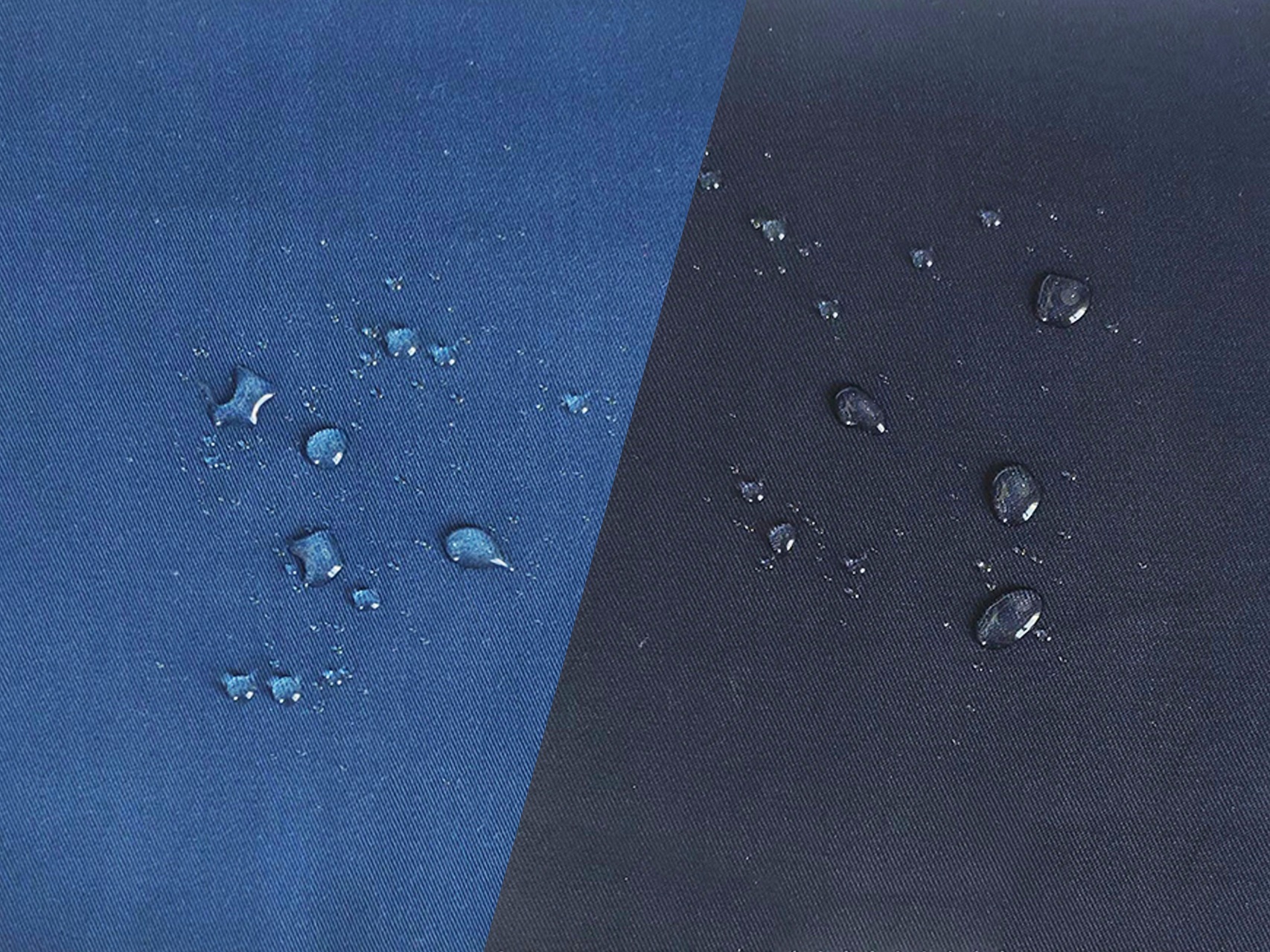
Imagine slipping on a jacket that subtly adjusts its insulation as the temperature drops, or a workout shirt that opens micro-vents when your body heat rises. This isn’t science fiction—it’s the emerging reality of smart fabrics designed to sense and respond to thermal changes. These textiles integrate advanced materials like phase-change substances, thermochromic dyes, or shape-memory polymers directly into their fibers. As the ambient temperature or the wearer’s body heat fluctuates, the fabric can physically transform: tightening its weave to trap warmth, changing color to reflect sunlight, or even altering its porosity to manage sweat evaporation. The result is a dynamic garment that actively participates in maintaining comfort, rather than passively relying on static layers.
The secret lies in the marriage of material science and soft electronics. Some fabrics are coated with heat-responsive polymers that expand or contract at specific temperature thresholds, while others incorporate conductive yarns that can detect thermal shifts and trigger a reaction—like sending a signal to a connected heating element. Researchers are also exploring bio-inspired approaches, mimicking how pinecones open and close their scales in response to humidity, but tuning the mechanism to react to heat instead. These fabrics aren’t just reactive; they can be integrated with sensors that monitor temperature over time, providing valuable data for athletic performance, medical monitoring, or even military operations where environmental adaptability is critical.
Beyond personal comfort, the potential applications extend into architecture and environmental design. Heat-responsive curtains could automatically adjust their opacity to regulate indoor temperatures, while automotive seats crafted from these materials might reduce the need for air conditioning. The real breakthrough, however, is the push toward self-contained systems that don’t require external power or complex controllers. By embedding the sensing and response mechanisms directly into the fiber structure, these fabrics operate autonomously and silently. As production costs drop and durability improves, we’re likely to see heat-adaptive textiles moving from lab prototypes to everyday wardrobes, changing how we think about the clothes we wear.
Lightweight Comfort Without Compromising Safety
When you slip into gear that feels almost weightless, the temptation is to think something has been sacrificed—but that’s far from the truth. Modern materials and intelligent design have rewritten the rules, letting you move more freely while still meeting rigorous impact standards. The secret lies in multi‑density foam construction that absorbs energy where it counts most, while strategic cutouts and advanced textiles shed every unnecessary gram. It’s protection you’ll barely notice until the moment you’re grateful it’s there.
This isn’t just about shaving ounces; it’s about rethinking how armor interacts with the body. Instead of relying on bulky padding that restricts motion, low‑profile protective zones follow your natural movements, flexing with you rather than against you. Ventilation channels and moisture‑wicking liners work with your body’s own cooling system, so you stay focused on the adventure ahead—not on overheating or fatigue. The result is a second‑skin sensation that encourages you to push further, knowing you’re covered.
The real magic happens in the overlap of breathability, flexibility, and certified protection. Articulated segments allow for a full range of motion, whether you’re navigating a tight switchback or reaching for the next handhold. And because the gear disappears into your kit, you’ll forget you’re wearing it—until a wipeout reminds you why you chose lightweight gear that refuses to cut corners on safety.
Sustainable FR Solutions That Don’t Cost the Earth
Traditional flame retardants often come with a hidden price tag—environmental damage and health concerns that quietly stack up over time. But moving away from hazardous chemistries doesn’t mean settling for underwhelming performance or blowing out budgets. The latest wave of sustainable FR solutions proves that safety and responsibility can walk hand in hand without demanding a premium. By leveraging clever material science, manufacturers are now formulating systems that meet rigorous fire standards while slashing toxicity and carbon footprint, all at a cost that makes sense for everyday production.
What makes these alternatives truly stand out is how they rethink the whole lifecycle. Rather than relying on scarce minerals or persistent organic pollutants, they often use abundant, renewable feedstocks or upcycled industrial by-products. Think phosphorus-rich biowaste transformed into effective fire barriers, or mineral-based synergists that work at lower loadings, trimming both raw material spend and transportation weight. Some even integrate fire resistance into the polymer backbone itself, eliminating the need for additives altogether. The result is a lighter, cleaner material that doesn’t force designers to choose between eco-credentials and their bottom line.
Adopting these solutions early can sidestep the regulatory hurdles that are tightening across industries, from electronics to furniture. Beyond compliance, there’s a growing market pull for products that don’t just shout about safety but also prove they’re genuinely greener. The real cost advantage, though, comes from durability: materials engineered this way often outlast their conventional counterparts, reducing replacement cycles and long-term spending. It’s a practical shift that turns a commodity flame retardant into a strategic asset—one that protects both people and the planet without burning through your budget.
Extreme Environment Endurance: From Foundries to Offshore Rigs
Inside a foundry, the air shimmers with relentless heat, and machinery is bathed in abrasive dust. Equipment here doesn't just operate—it survives a daily onslaught that would cripple lesser designs. It's a world where cooling systems battle ambient temperatures that can warp steel, and every moving part must shrug off the gritty residue of molten metal. This isn't about meeting specifications on paper; it's a testament to engineering that embraces overbuilt resilience, using alloys and sealants that treat extreme conditions as a baseline, not an anomaly.
Shift that same demand for endurance to the open sea, where an offshore rig stands defiant against the salt-lashed, storm-driven chaos of the ocean. Here, the adversary is corrosion—slow, patient, and utterly unforgiving. Every bolt, pipe, and sensor is in a constant fight against the brine that seeks to dissolve it. The solutions are found in sacrificial anodes that quietly erode instead of the structure, in paints that bond at a molecular level, and in remote monitoring systems that catch the first whisper of fatigue before it becomes a roar. Survival in this realm isn't a product of luck; it's engineered into every square inch, from the hull to the helicopter pad.
Whether it's the inferno of a foundry or the watery assault on an offshore platform, the common thread is a brutal rejection of the ordinary. These environments don't negotiate, and they don't forgive shortcuts. The machinery that endures them shares a DNA of relentless testing, where prototypes are pushed until they crack, redesigned, and pushed again. It's a cycle that breeds components which almost seem to thrive on punishment, turning what should be a rapid breakdown into years of unflinching service.
Customized Protection for Welding, Electrical, and Chemical Sectors
The welding, electrical, and chemical sectors each present unique hazards that demand far more than a generic safety approach. A welder's environment combines intense heat, molten metal splash, and arc radiation, while electricians face arc flash incidents and high-voltage contact, and chemical workers handle corrosive substances, toxic vapors, or reactive materials day after day. Off-the-shelf protective gear often fails to address the overlapping risks or the specific task durations and movement patterns found in these fields. Customized protection fills this gap by tailoring materials, design, and ergonomics to the precise conditions workers actually encounter.
In welding, protective clothing must endure extreme thermal loads without sacrificing dexterity, so customized solutions may blend flame-resistant leather with strategically placed aramid fabrics and provide tailored helmet filters for varying arc intensities. For electrical work, layered insulation systems are matched to the exact voltage classes and arc thermal performance values required, while still allowing free motion in confined switchgear cabinets. The chemical sector demands an even broader spectrum—from lightweight, breathable suits that resist concentrated acids to fully encapsulated ensembles that prevent permeation over an 8-hour work cycle. Here, customization involves selecting barrier fabrics based on permeation data for the client's actual chemical mix, not just standardized breakthrough times.
Beyond compliance, tailored protection can directly affect workforce performance. When gear fits well, reduces heat stress, and allows natural movement, people are less tempted to adjust or remove it in critical moments. Custom configurations can also simplify donning procedures and compatibility between items like gloves, sleeves, and respirators, cutting down on confusion during fast-paced operations. By addressing the real-world interplay of hazards, these purpose-built solutions help companies build a safety culture that doesn't force a trade-off between protection and practicality.
FAQ
Recent breakthroughs include the integration of phase-change materials that actively regulate body temperature while maintaining flame resistance, and the development of inherently non-flammable fibers derived from bio-based polymers. These fabrics don't just resist ignition; they self-extinguish and minimize heat transfer, offering a leap in protection without the stiffness of traditional treatments.
Today's advanced fabrics incorporate multi-hazard protection, shielding against arc flash, molten metal splashes, and chemical exposure simultaneously. Moreover, innovations in moisture-wicking and breathability reduce heat stress, which is a critical yet often overlooked danger in high-risk environments. This holistic approach keeps workers safer and more comfortable over long shifts.
Beyond the obvious sectors like oil and gas, electrical utilities, and firefighting, we're seeing adoption in emerging fields such as battery manufacturing and renewable energy. The rise of electric vehicles has introduced new fire risks from lithium-ion batteries, making lightweight, durable FR fabrics essential. Similarly, wind turbine maintenance technicians benefit from flexible, weather-resistant FR gear that doesn't hinder their movement.
Nanocoatings are revolutionizing FR fabrics by creating an invisible, ultra-thin barrier that enhances heat reflection and prevents oxygen from fueling flames. These coatings can also add repellency against oils and water without affecting the fabric's drape or comfort. Additionally, nano-scale additives are being used to strengthen fibers, making them more abrasion-resistant and extending garment life.
Yes, some manufacturers are now using recycled aramid fibers and developing FR treatments based on naturally occurring minerals that are free of halogens and heavy metals. Another exciting area is the creation of biodegradable FR fabrics from modified cellulosic fibers. These options reduce environmental impact while still meeting rigorous safety standards, addressing the growing demand for sustainable PPE.
Gone are the days of heavy, rigid FR uniforms. New weaving techniques produce fabrics that are not only softer and lighter but also have inherent stretch. Innovations like 3D knitting allow for seamless, ergonomic designs that move with the body. Moisture management systems now actively pull sweat away from the skin, keeping workers dry and reducing the risk of burns from steam. These improvements mean workers are more likely to wear their protective gear correctly, enhancing overall safety.
It's crucial to look beyond the basic compliance marks and evaluate the fabric's performance over its lifetime. Consider how the garment maintains its FR properties after industrial washing, dry cleaning, or exposure to UV light. Assess the true risk spectrum of the job—do you need protection against intermittent flame, sustained thermal exposure, or chemical flash? Also, factor in worker feedback on fit and comfort; protection is only effective if worn consistently.
In a refinery turnaround project, a technician accidentally came into contact with a high-temperature steam line while wearing an advanced FR coverall with self-extinguishing and heat-insulating properties. The fabric prevented the garment from igniting and significantly reduced heat transfer, resulting in only minor skin reddening rather than severe burns. The worker returned to work the next day, highlighting how material innovation translates directly into reduced injury severity and operational continuity.
Conclusion
Advancements in flame-resistant fabrics are reshaping workplace safety, blending next-generation fiber blends with smart technologies. These materials offer enhanced thermal protection without the bulk, allowing workers to move freely in high-risk environments. From inherently flame-resistant fibers to innovative blends that char and self-extinguish when exposed to fire, the focus is on balancing durability with day-long comfort. Smart textiles now embed sensors that detect rising heat or hazardous chemicals, triggering alerts or activating cooling mechanisms, creating a proactive shield rather than a passive barrier.
Sustainability is advancing alongside performance, with eco-friendly FR solutions reducing environmental impact without inflating costs. Manufacturers are developing biodegradable or recycled fibers that meet rigorous safety standards. In sectors like oil and gas, foundries, and electrical utilities, these fabrics endure extreme conditions—from molten metal splashes to arc flashes—while maintaining integrity. Customization is key: welders need protection from sparks and radiant heat, electricians require arc-rated apparel, and chemical workers demand resistance to corrosive substances. This targeted innovation ensures every worker gets protection tailored to their specific risks, merging safety, comfort, and sustainability into one cohesive garment.
Contact Us
Contact Person: Sandy
Email: [email protected]
Tel/WhatsApp: 86150 8310 5120
Website: https://www.frdrotex.com