

Exploring CA Type Steel Agricultural Chain Innovations: Enhancing Efficiency in Agriculture
2026-03-26
In the ever-evolving landscape of modern agriculture, innovation is not just a buzzword—it’s a necessity. Enter the world of CA type steel agricultural chains, a cornerstone of efficient farming operations that often goes unnoticed. From planting to harvesting, these robust components play a pivotal role in keeping machinery running smoothly, reducing downtime, and boosting productivity. But what if we could push the boundaries even further? At Raydafon, we’re diving deep into the latest breakthroughs in CA type steel agricultural chain technology. This blog explores how cutting-edge designs and materials are transforming traditional farming practices, making them more resilient and cost-effective. Whether you’re a seasoned farmer or an industry enthusiast, join us as we uncover the secrets behind these innovations and how they’re setting new standards for agricultural efficiency. Get ready to rethink what’s possible in the field—your journey to smarter farming starts here.
Introduction to Modern Steel Chain Advancements for Farming
Modern steel chains have quietly transformed agricultural practices, shifting from simple pulling tools to sophisticated components that boost efficiency and durability on the farm. Unlike older models that were prone to rust and wear, today's chains often feature advanced alloys and coatings, such as zinc plating or heat treatments, which resist harsh weather and heavy loads. This means farmers can rely on them longer without frequent replacements, saving both time and money. From tilling to harvesting, these improved chains help machinery run smoother, reducing downtime and maintenance headaches.
One standout innovation is the integration of smart technology into steel chains, a game-changer not commonly discussed. Some newer designs include embedded sensors that monitor tension and wear, sending alerts to a farmer's device before a failure occurs. This proactive approach prevents equipment breakdowns during critical seasons, ensuring tasks like plowing or planting stay on schedule. For example, in large-scale operations, such chains can track usage patterns, optimizing performance based on soil conditions or crop types. It's a subtle yet powerful shift toward precision farming that enhances overall productivity without requiring major overhauls.
Beyond durability and tech, modern steel chains are being tailored for specific farm needs, offering custom solutions that adapt to diverse environments. In vineyards or orchards, lighter, corrosion-resistant chains facilitate delicate tasks without damaging crops, while heavier-duty versions handle robust fieldwork like moving bales or equipment. This specialization allows farmers to choose chains that match their unique demands, improving safety and reducing waste. As agriculture evolves toward more sustainable practices, these advancements support eco-friendly efforts by minimizing material use and extending product lifecycles, making them a practical investment for forward-thinking operations.
Key Design Features of CA Type Chains in Agricultural Machinery
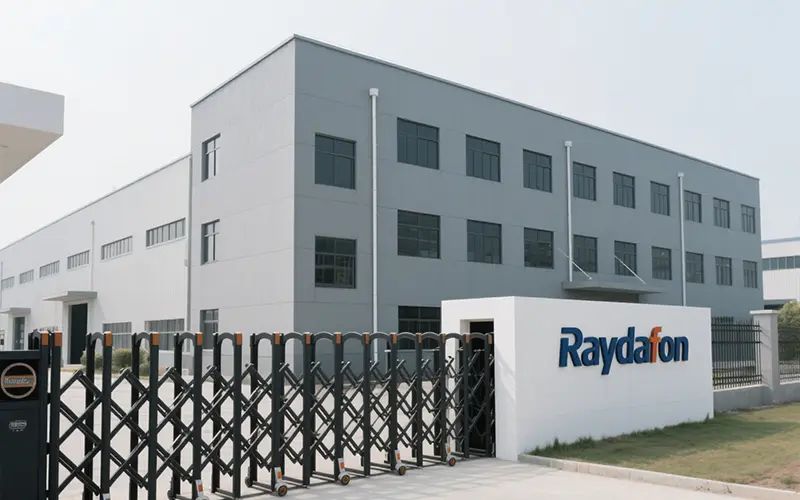
When you're out in the field, whether tilling soil or harvesting crops, the last thing you want is a chain that can't handle the pressure. CA type chains are engineered specifically for these tough agricultural applications, built to endure high loads and resist the abrasion that comes from constant contact with soil and debris. Their robust construction includes hardened pins and bushings, which minimize wear and tear over time, ensuring that machinery keeps running smoothly even during long, grueling seasons. This durability isn't just about strength; it's about reliability, reducing downtime and maintenance costs so farmers can focus on what matters most.
Another standout feature of CA type chains is their adaptability to varying operational conditions. Unlike generic chains that might falter in muddy or dusty environments, these are designed with sealed joints that prevent contaminants from entering, thus preserving lubrication and extending service life. This makes them ideal for everything from plows to combines, where exposure to the elements is a constant challenge. The precision in their manufacturing allows for smoother engagement with sprockets, reducing vibration and noise, which not only enhances performance but also contributes to a more comfortable and efficient operator experience in the cab.
Looking beyond just durability and adaptability, CA type chains incorporate innovative materials and heat treatment processes that set them apart in the market. By using alloys that offer superior corrosion resistance, they stand up to harsh weather and chemical exposures common in farming, such as fertilizers and pesticides. This thoughtful engineering results in chains that not only last longer but also maintain their integrity under stress, supporting heavier loads without stretching or breaking. In a competitive agricultural landscape, these features translate into tangible benefits—less frequent replacements, improved safety, and ultimately, higher productivity for modern farming operations.
Impact on Tractor and Harvester Performance with Steel Innovations
The integration of advanced steel alloys into tractor and harvester design significantly boosts operational durability and efficiency, allowing these machines to endure harsh agricultural conditions without compromising performance. Lighter yet stronger steel frames reduce fuel consumption while enhancing load-bearing capacity, directly translating to lower operating costs and increased productivity in the field.
Innovations in steel manufacturing, such as high-strength, corrosion-resistant varieties, extend the lifespan of critical components like blades and chassis, minimizing maintenance downtime. This not only improves reliability during peak harvest seasons but also supports sustainable farming by reducing the need for frequent replacements and repairs.
Moreover, tailored steel applications in precision parts enable smoother operation and better adaptability to varying soil types and crop densities, optimizing harvest quality and yield. These advancements showcase how material science directly influences agricultural machinery's overall effectiveness, pushing the boundaries of what modern farming equipment can achieve.
Durability and Corrosion Resistance in Harsh Farming Conditions
When it comes to farming equipment, durability and corrosion resistance aren't just desirable traits—they are absolute necessities. Working in the field day in and day out exposes tools and machinery to a relentless assault from the elements: rain, mud, dust, fertilizers, and extreme temperatures all conspire to break down materials prematurely. Manufacturers have recognized this challenge, shifting from traditional materials like untreated steel to advanced options such as galvanized metals, stainless steel, and specialized coatings. For instance, hot-dip galvanizing provides a thick, robust zinc layer that shields underlying steel from rust, while powder coating offers a resilient, uniform finish that resists chipping and fading. These innovations ensure that key components—from plow blades to tractor frames—can withstand the rigors of daily use without succumbing to the constant wear and tear.
Beyond material choices, the design and construction of farming equipment play a critical role in enhancing longevity. Sealed bearings, gaskets, and protective covers are commonly integrated to prevent moisture and debris from infiltrating sensitive parts. Imagine a combine harvester working in a wet, muddy field: without proper sealing, water could seep into electrical systems or engrain grit into moving components, leading to costly breakdowns. By focusing on engineering details like these, manufacturers create tools that not only last longer but also require less maintenance, saving farmers time and money. This attention to detail transforms equipment from mere tools into reliable partners in the demanding world of agriculture.
What sets top-tier equipment apart is its ability to resist corrosion in the most punishing environments. Coastal farms, for example, face salt-laden air that accelerates rust, while those in humid regions battle mold and oxidation. Innovative solutions include using alloys with chromium or aluminum, which form protective oxide layers, or applying multi-layer coatings that self-heal minor scratches. Some modern tractors even feature undercarriage sprays that repel mud and chemicals, reducing buildup that can trap moisture. By prioritizing these features, farmers can invest in machinery that delivers consistent performance year after year, avoiding the downtime and replacement costs associated with corrosion. Ultimately, this durability translates to greater efficiency and sustainability in farming operations, ensuring that every piece of equipment is built to endure.
Maintenance and Cost-Efficiency Benefits for Farmers
In farming operations, keeping up with maintenance tasks can often feel like a never-ending chore that eats into both time and budget. But what if we told you that a little proactive care could actually save you big in the long run? By investing in regular upkeep of equipment and infrastructure, you're not just preventing breakdowns during crucial seasons—you're also avoiding the hefty price tags that come with emergency repairs. Think of it as putting a small amount in the piggy bank now to avoid having to break it open later for a major expense. Plus, well-maintained tools and machinery tend to operate more efficiently, which means you might see savings on fuel and energy costs too, boosting your bottom line without extra effort.
Beyond just the immediate savings, there's a hidden layer of cost-efficiency that comes from smart maintenance strategies. For instance, adopting a scheduled maintenance plan can help you spot minor issues before they snowball into costly problems, reducing downtime during peak harvesting or planting periods. This approach allows you to plan repairs around your farming calendar, so you're not scrambling when every minute counts. Over time, this careful management extends the lifespan of your equipment, meaning you can delay big-ticket replacements and spread out investments more evenly. In a business where margins can be tight, these cumulative savings add up, giving you more financial flexibility to reinvest in other areas or simply enjoy a bit of breathing room.
Let's not forget the human side of things—easing the mental load on farmers. When you know your gear is in good shape, it takes a weight off your shoulders, reducing stress and allowing you to focus on what you do best: growing and managing your farm. This peace of mind might not show up on a balance sheet, but it's invaluable for long-term sustainability and personal well-being. In the end, maintenance isn't just about fixing things; it's a strategic move that pays dividends in both dollars and sense.
Future Trends in Agricultural Chain Technology and Sustainability
As global populations rise and environmental challenges intensify, the agricultural sector is pivoting toward innovations that blend efficiency with ecological responsibility. Key trends include the integration of IoT sensors and drones for real-time crop monitoring, enabling precise water and nutrient management to minimize waste. This shift not only boosts yields but also reduces the carbon footprint of farming operations, paving the way for more resilient food systems in the face of climate change.
Another emerging direction is the adoption of blockchain technology to enhance traceability and transparency throughout the supply chain. By recording every step from farm to fork on a decentralized ledger, stakeholders can verify sustainability claims, combat food fraud, and ensure fair trade practices. This fosters consumer trust and encourages producers to adopt greener methods, aligning economic incentives with environmental goals.
Looking ahead, developments in AI-driven predictive analytics and regenerative farming techniques are set to redefine agricultural landscapes. These tools allow for dynamic forecasting of weather patterns and soil health, supporting adaptive strategies that nurture biodiversity and soil carbon sequestration. As these technologies mature, they promise not only to secure food supplies but also to transform agriculture into a net-positive force for planetary health.
FAQ
CA Type Steel Agricultural Chains are specialized chains designed for heavy-duty agricultural machinery, known for their high tensile strength, corrosion resistance, and durability, which enhance operational reliability in farming environments.
Innovations such as improved material alloys and optimized link designs reduce wear and tear, leading to longer chain life, decreased maintenance downtime, and increased productivity in tasks like tilling and harvesting.
These chains are particularly effective in applications like combine harvesters, tractors, and plowing equipment, where they handle high stress and abrasive conditions to ensure smooth machinery operation.
Yes, they are engineered with protective coatings and robust construction to resist rust and degradation from exposure to moisture, soil, and extreme temperatures, making them suitable for year-round use.
While initial costs may be higher than standard chains, their extended lifespan and reduced repair needs lead to long-term savings and lower total cost of ownership, benefiting farm budgets.
Recent advancements focus on using recyclable materials and energy-efficient production processes, minimizing waste and carbon footprint while supporting sustainable agricultural practices.
Farmers should evaluate factors like load capacity, compatibility with machinery, warranty terms, and supplier reliability to ensure optimal performance and value from their investment.
New designs incorporate features like enhanced locking mechanisms and reduced risk of breakage, which help prevent accidents and improve operator safety during agricultural operations.
Conclusion
Steel chains have become indispensable components in modern agricultural machinery, with CA type chains representing a significant advancement in farming efficiency. These innovations focus on key design features that enhance the performance of tractors and harvesters, allowing for smoother operations in various field conditions. By incorporating durable materials and corrosion-resistant coatings, these chains withstand harsh environmental challenges commonly faced in agriculture, from heavy rainfall to soil abrasion. This durability translates directly into reduced wear and tear on equipment, contributing to overall farm productivity.
Beyond performance, CA type steel chains offer substantial maintenance and cost-efficiency benefits for farmers. Their robust construction minimizes the need for frequent replacements, lowering long-term operational expenses and downtime. Current trends in agricultural chain technology emphasize sustainability, with manufacturers exploring eco-friendly materials and energy-efficient production methods. As the industry evolves, these innovations continue to shape a more resilient and productive farming landscape, addressing both immediate efficiency needs and future environmental considerations.
Contact Us
Contact Person: Mr. Shen
Email: [email protected]
Tel/WhatsApp: +86-574-87168065
Website: https://www.transmissions-china.com/