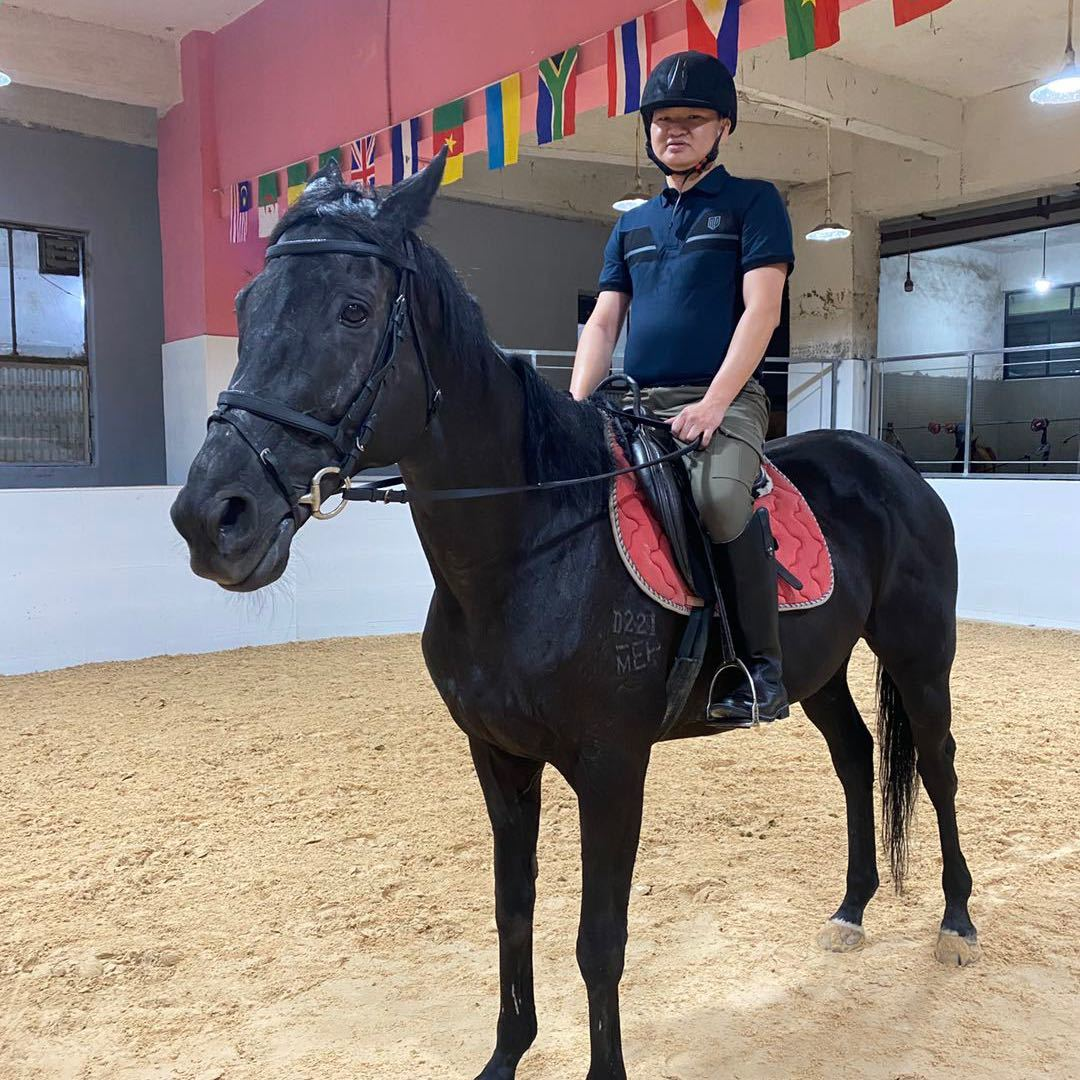

Equestrian Wear Company Shares Expert Tips for Choosing Durable Riding Apparel
2026-05-17
Finding riding apparel that lasts through every trail ride and training session can feel like a challenge. At OpeEquestrian, we understand that durability is just as important as comfort for equestrians. Here’s how to spot gear that won’t let you down, so you can focus on the ride ahead.
Fabric First: What to Look for Beyond the Label
When you pick up a garment, the label might tell you it’s cotton, linen, or wool, but that’s only half the story. True quality lives in the details that aren’t printed anywhere—the density of the weave, the length of the fibers, and the way the fabric responds to your touch. A crisp poplin might look pristine on the rack, but if it’s woven from short-staple fibers, you’ll soon notice unsightly pilling and a dull surface. Instead, run your fingers over the cloth; a smooth, almost cool hand-feel often signals longer, stronger fibers that will hold their shape and sheen far longer. Pay attention to how the fabric drapes, too—a well-made textile will move with a natural fluidity rather than cling stiffly to your body.
Beyond the fiber content, consider what the label doesn’t say about finishing treatments. Many fabrics are doused in chemical softeners, anti-wrinkle resins, or optical brighteners to create a false sense of luxury in the store. After a few washes, those finishes wash away, revealing a rough, lifeless rag in your wardrobe. Gently rub a small hidden area of the fabric between your fingertips; if it feels suspiciously slick or leaves a faint residue, that’s a red flag. Instead, seek out fabrics that feel genuinely sturdy yet supple right from the start—uncompromising materials like top-graded merino wool or tightly spun organic cotton that need no synthetic disguise. They may feel less dramatic on the hanger, but those are the pieces that age beautifully, developing that coveted lived-in softness over time.
Finally, give the garment a gentle stretch and release it. Does it quickly bounce back to its original shape, or does it stay deformed? This quick test reveals the fabric’s recovery—a hallmark of quality construction. Natural fibers blended with just a touch of elastane can offer comfortable give, but too much stretch is often a trick to mask inferior yarns. Watch for puckering at the seams and how the pattern aligns where fabric panels meet; meticulous alignment speaks of careful cutting on the grain, which prevents twisting after laundering. By trusting your senses over the printed numbers, you’ll build a wardrobe where the true value is felt, not just listed.
Stitching That Survives: The Hidden Signs of Quality Construction
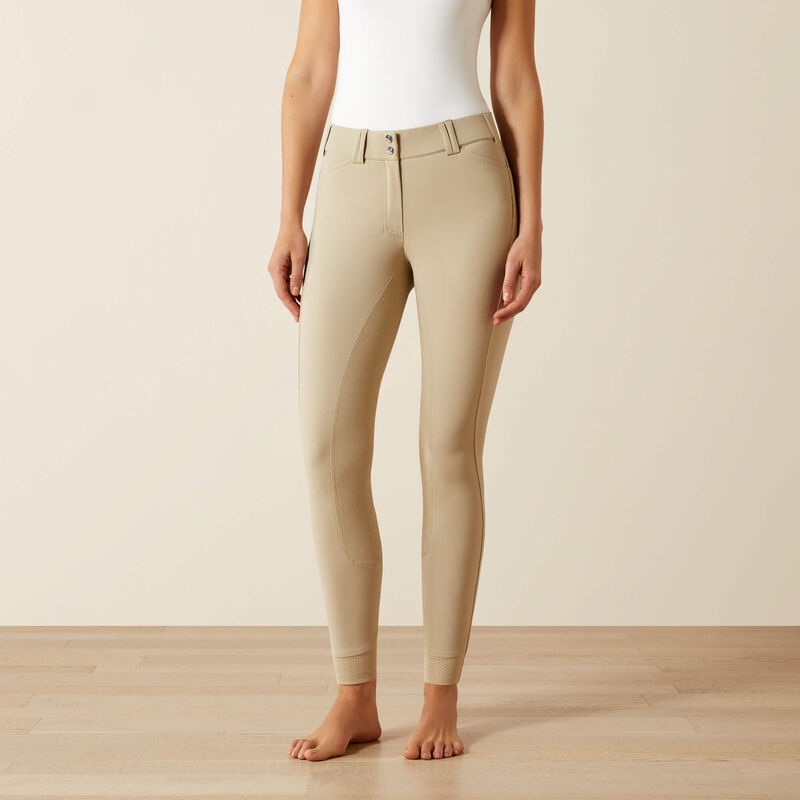
When you turn a garment inside out, you’re not just inspecting the seams—you’re reading a map of its durability. Quality construction reveals itself through the stitch length and tension. Too tight, and the fabric puckers, weakening the fibers; too loose, and the seam gapes under stress. Look for stitches that sit flush without distorting the weave, a sign that the maker balanced the machine’s rhythm with the material’s nature. In high-stress zones like armholes or crotch points, extra rows of stitching or bar tacks often hide in plain sight, reinforcing without adding bulk. These details are never accidental—they’re the quiet decisions that separate a piece built to last from one destined for early retirement.
The thread itself tells a story you can feel. Run your fingers over a seam; quality construction uses threads like long-staple cotton or bonded polyester that are smooth, not scratchy, and resist fraying. Over time, cheap threads snap or pill, leaving gaps that unravel with each wash. But a well-chosen thread ages gracefully, its color fade even, its integrity intact. The real secret, though, lies in the seam type. French seams, where raw edges are encased, speak of a maker’s refusal to cut corners—literally. Flat-felled seams, double-stitched and lying flat, promise a future of comfort against the skin. These techniques demand more fabric, more time, but they deliver a durability that feels like a hand-me-down promise kept.
Weather-Proofing Without Sacrificing Comfort
True weather-proofing often brings to mind stiff, noisy jackets that trap heat unpleasantly. The goal, however, should be a seamless shield that moves with you, handling downpours and gusts without making you feel like you're wrapped in plastic. Advanced membrane technology allows moisture vapor to escape while external water stays out, so you can stay active without that clammy chill. The result is a quiet, flexible layer that feels like your favorite soft shell but actually keeps you dry when the skies open up.
Comfort gets compromised when design overlooks how bodies actually work. You need adjustable vents at the underarms and back, magnetically sealed pockets that don’t snag, and cuffs that slide easily over gloves without digging into your wrists. Thoughtful seam placement prevents chafing under backpack straps, and a slightly brushed inner collar eliminates the cold shock against the neck. These micro-details don’t scream “technical gear,” but they’re what make you instinctively reach for the same jacket whether you’re dodging rain on your commute or hiking a blustery ridge.
Natural fibers blended with synthetic ones can also strike a rare balance—merino wool linings offer temperature regulation and odor resistance, while recycled polyester shells provide strength and water resistance without the weight. The magic lies in knowing when to use knit panels for stretchy warmth and when to place woven zones for armor-like wind protection. This hybrid approach means you no longer have to over-layer and overheat; you just put on one thoughtfully crafted piece and forget about the weather.
The Fit Factor: How Proper Sizing Extends Garment Life
Most of us have experienced it: a favorite shirt that pulls at the seams, or jeans that bag out after a few wears. It’s easy to blame the fabric, but more often the real culprit is poor fit. When a garment is too tight, the fibers are under constant tension, weakening the weave and inviting tears. Too loose, and excess friction from rubbing against your body or other layers causes pilling and abrasion. Getting the size right isn't just about looking sharp—it's the most practical step you can take to protect your clothes from premature wear.
Proper fit distributes stress evenly across the garment. Think about a pair of trousers that sits comfortably at the waist without a belt having to cinch them in. The seams aren't strained every time you sit down, and the fabric over the knees doesn't get tugged out of shape. Over time, this means less sagging, fewer popped stitches, and a silhouette that holds its form wash after wash. Even small adjustments—shortening a hem so it doesn’t drag underfoot, or taking in a shoulder so it doesn’t slide around—can dramatically reduce the daily micro-damage that adds up.
The upside goes beyond durability. Clothes that fit well simply feel better on, making you more likely to reach for them often and care for them properly. You’re less inclined to toss a well-fitting jacket onto a chair when it drapes just right, and you’re more attentive to its cleaning. Investing a little time in finding your true size—or having key pieces tailored—pays off in a wardrobe that lasts longer and looks better with age. It’s the kind of quiet, everyday wisdom that turns a quick purchase into a long-term favorite.
Care Habits That Keep Your Gear Competition-Ready
Developing a consistent maintenance routine is the foundation of gear longevity. After every session, take a few minutes to wipe down surfaces with a microfiber cloth to remove dust, sweat, and residue. For deeper cleans, use manufacturer-recommended solutions that won’t degrade materials. Pay special attention to moving parts and contact points—lubricate hinges and tighten fasteners regularly to prevent unexpected failures during critical moments.
Storage plays an underrated role in preserving performance. Avoid tossing equipment into damp or sun-exposed areas; instead, designate a climate-controlled space with protective cases or covers. For items with batteries, maintain a partial charge rather than letting them drain completely, and store removable power sources separately. This simple step prevents corrosion and capacity loss that often go unnoticed until it’s too late.
Finally, make inspection a habit, not an afterthought. Before and after use, scan for cracks, fraying, or unusual wear. Address small issues immediately—a stitch repair or cable replacement now can prevent a total breakdown in competition. Keep a log of maintenance dates and any quirks you notice; over time, you’ll learn the rhythms of your gear and anticipate needs before they become problems.
When to Invest: Separating Real Durability from Marketing Hype
Durability is a seductive promise, but in investing, it’s often trotted out to justify premium valuations that don’t hold up under scrutiny. True durability isn’t just about a brand’s longevity or a product’s ubiquity—it’s about a competitive moat that widens over time, driven by switching costs, network effects, or cost advantages that rivals can’t easily replicate. The moment to invest is when you spot a business whose durability is underappreciated, not when the story is already priced in. That means looking beyond glossy annual reports and interrogating whether a company’s “resilience” is structural or merely cyclical. If it depends on sustained marketing spend or a trend that could fade, you’re buying hype, not a fortress.
Market sentiment often conflates durability with size, assuming that large-cap stocks are inherently safer. But size can mask fragility—think of legacy firms that dominate a shrinking pond. Real durability reveals itself in fractious times: a company that gains market share during a downturn, or maintains pricing power when input costs spike, is showing you its teeth. The astute investor waits for these stress tests before committing capital, rather than chasing narratives spun during bull runs. It’s the difference between buying a well-constructed bridge after watching it withstand a flood, versus purchasing a blueprint on faith.
Another telltale sign of marketing hype is when durability claims rest heavily on “patents” or “proprietary technology” without a track record of adaptation. Technologies evolve, and patents expire; what endures is a culture of innovation or a distribution network that becomes more entrenched with each user. Strip away the jargon and ask: would customers suffer if this company disappeared tomorrow? If the answer is “no,” then its durability is likely a mirage. The best time to invest is when you can buy that genuine, enduring advantage at a fair price—often when short-term noise obscures the long-term reality. That patience, not timing, is what separates durable returns from fleeting ones.
FAQ
Focus on fabrics with a tight weave and high abrasion resistance. Brands often use reinforced nylon blends, heavy-duty cotton canvas, or technical softshells. Leather, especially full-grain, remains a classic for boots and chaps. Check for double stitching in stress areas like inner knees and seat.
Look at the fabric composition—anything with a high percentage of nylon or Cordura is a good start. Inspect the seams; flat-felled or reinforced seams add years to the life. A contoured waistband and silicone grip that doesn't peel after a few washes also signal quality.
Absolutely, if you ride often. Quality waterproof and breathable membranes like GORE-TEX or similar laminates keep you dry without trapping sweat. Features like taped seams, storm flaps, and adjustable hoods make a difference, but only if you avoid cheap knockoffs that delaminate quickly.
Always follow the label, but generally wash in cold water on a gentle cycle and air dry. Avoid fabric softeners—they clog moisture-wicking properties. For leather, use a conditioner regularly. Brush off mud and sweat after each ride to prevent fabric breakdown, and attend to repairs before small tears become big ones.
Uneven stitching, loose threads, and thin, shiny fabrics are giveaways. Zippers that catch or feel flimsy, velcro that loses grip quickly, and logos that are just glued on rather than embroidered are all signs of corner-cutting. Also, if the price seems too good to be true, it probably is—quality materials and construction cost more.
Seek out 4-way stretch materials that also have abrasion-resistant panels. Many endurance riders swear by riding tights with strategically placed leather or synthetic suede patches. Make sure there's no internal chafing from seams, and that the cut allows full range of motion while sitting deep in the saddle.
We're seeing more use of Cordura denim for show coats, ceramic-printed grip applications that outlast silicone, and bonded construction instead of stitching in some areas to eliminate weak points. Some brands use Kevlar threads in high-stress zones. It's an exciting time—tech from outdoor industries is finally influencing riding gear.
Conclusion
When you’re shopping for riding apparel that can withstand the demands of daily training and competition, the first thing to examine is the fabric itself. A lot of brands slap technical-sounding labels on their products, but what you really need to do is feel the material and check its weight, stretch, and how it rebounds after being pulled. High-quality riding tights or breeches often use a blend that includes nylon or polyester with a good dose of elastane, but the weave matters just as much as the fiber content. You’ll also want to look at the stitching—reinforced seams, especially in high-stress areas like the inner leg or seat, are non-negotiable. Double stitching or flatlock seams indicate that the garment was built to last, not just to look sleek on a hanger.
Beyond construction, practical weatherproofing shouldn’t come at the expense of breathability. A truly functional jacket, for instance, will repel water and wind while still letting moisture escape so you don’t overheat. Fit plays a huge role too; apparel that’s too tight will strain the seams and fabric, while overly baggy gear can chafe or bunch under tack. Taking the time to find your exact size, rather than guessing, can add seasons to a garment’s lifespan. Once you’ve invested in the right pieces, how you care for them matters immensely—skip the fabric softeners, wash in cold water, and avoid the dryer whenever possible. And when it’s time to splurge, focus on features that actually improve longevity, like reinforced knees or UV-resistant materials, rather than trendy branding that doesn’t perform in the saddle.
Contact Us
Contact Person: Keven Tong
Email: [email protected]
Tel/WhatsApp: +86 18666477707
Website: https://www.ope-technology.com