

Dust Control Agents for Unpaved Roads: A Practical Guide to Choosing the Right Solution
2026-07-24
Unpaved roads are the unsung workhorses of many rural and industrial landscapes, yet the clouds of dust they kick up spell trouble—coughing fits, corroded equipment, and angry neighbors are just the start. Picking a dust control agent shouldn't feel like a shot in the dark. It's about balancing performance, budget, and environmental care without getting lost in sales hype. That's exactly why MST put together this no-nonsense guide. We'll walk you through what actually works, so you can breathe easier and keep those wheels rolling smoothly.
Understanding the Real Impact of Dust on Unpaved Roads
Dust from unpaved roads is far more than a minor nuisance—it represents a persistent environmental and public health challenge. Each passing vehicle churns up fine particles that can linger in the air for hours, penetrating deep into the lungs of residents and commuters. These airborne sediments often contain silica, heavy metals, and other harmful substances, turning a simple drive into a vector for respiratory illnesses and chronic conditions.
Beyond health, the loss of road surface material through dust emission accelerates degradation. When binding fines are blown away, larger aggregate becomes loose, leading to potholes, washboarding, and rutting. This deterioration not only makes travel uncomfortable but also forces communities into a cycle of frequent and costly re-grading and gravel replenishment. For rural areas where unpaved roads are a lifeline, this constant maintenance drains limited budgets and diverts resources from other critical infrastructure.
The impact extends to safety and local ecosystems as well. Thick dust clouds drastically reduce visibility, contributing to collisions and run-off-road incidents. Nearby vegetation becomes coated, impairing photosynthesis and crop yields, while waterways suffer from sedimentation. Recognizing these interconnected consequences is the first step toward adopting effective dust suppression strategies that protect both people and the places they depend on.
A Closer Look at Today's Dust Control Agents
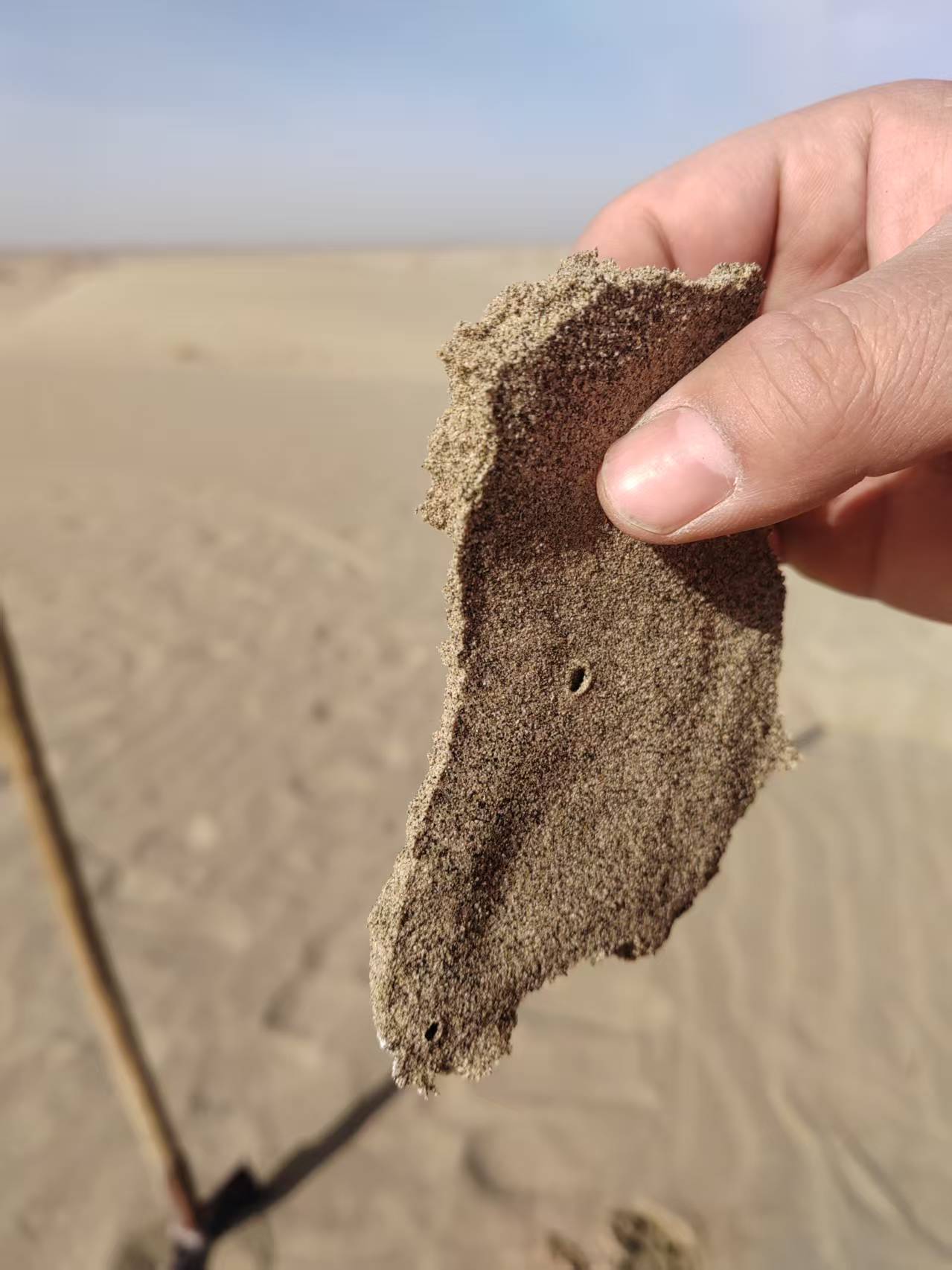
Modern dust control agents have evolved far beyond simple water sprays. Today's solutions include hygroscopic salts that pull moisture from the air, polymer emulsions that bind particles together, and even bio-based products derived from plant oils or starches. Each type tackles dust differently: some create a durable crust on surfaces, while others absorb and retain moisture over extended periods. The choice depends on the specific setting—whether it's a gravel road, a mining haulage route, or a construction site—and factors like traffic volume, soil composition, and local climate.
One notable shift is the industry's growing emphasis on sustainability. Traditional chloride salts, while cost-effective, can corrode equipment and harm nearby vegetation. In response, manufacturers are developing more environmentally friendly alternatives that biodegrade or leave minimal residue. For instance, lignosulfonate-based agents, a byproduct of paper production, act as both binders and humectants without the same corrosive drawbacks. Similarly, plant-derived oils can suppress dust while adding a degree of soil stabilization—a dual benefit that reduces the need for frequent reapplication.
Performance monitoring has also become far more sophisticated. Instead of relying solely on visual checks, site managers now use real-time particulate sensors and lab analysis to quantify effectiveness. This data-driven approach allows for precise application rates and timing, cutting both waste and costs. It also helps companies stay compliant with tightening air quality regulations, particularly in areas where silica dust or other respirable hazards are a concern. As technology advances, we're starting to see smart dust control systems that automatically adjust application based on weather conditions and traffic patterns, promising a future where dust is managed more efficiently and with less environmental impact.
Critical Criteria for Selecting an Effective Solution
Finding a solution that genuinely works demands more than a quick feature comparison. The first real test is whether it aligns with your actual operational pain points. A tool packed with advanced capabilities won't help if it complicates daily tasks or ignores the workflows your team already uses. Start by mapping the specific bottlenecks you need to eliminate, then measure how directly a proposed solution addresses those gaps rather than evaluating it against an abstract wish list.
Adoption is another non-negotiable factor that often gets overlooked. Even the most powerful system fails if people avoid it. Pay close attention to the learning curve and the level of support offered during rollout. Solutions that feel intuitive from day one and integrate with familiar platforms tend to stick, while clunky interfaces or rigid processes lead to silent abandonment. Talk to references who have actually used the product under conditions similar to yours, and listen for frustrations around training time or ongoing maintenance.
Long-term fit matters just as much as immediate relief. Look beyond the initial price tag to understand total cost of ownership, including updates, scaling expenses, and potential lock-in. A solution that can't grow with your business or requires expensive customization down the road becomes a liability. Also consider the vendor's roadmap and stability—continuous improvement and responsive support are signals that the investment will hold its value instead of becoming outdated within a year.
Step-by-Step Application: From Preparation to Maintenance
Getting ready is half the battle. Start by cleaning the surface thoroughly to remove dirt, dust, and grease that could prevent adhesion. Then, check the material compatibility—different surfaces need different primers or treatments. If you're working outdoors, keep an eye on the weather; a dry, moderate day works best.
When you apply the product, use even strokes and don't overload the brush or roller. Working in sections helps maintain a wet edge and avoids lap marks. For tricky spots like corners or trim, a smaller tool gives you better control. Let each coat dry according to the instructions before adding another one—rushing this can ruin the finish.
Once everything is done, maintenance is what keeps it looking fresh. Clean the surface gently with mild soap and water, avoiding abrasive cleaners that scratch. Touch up any nicks or wear before they spread, and reseal or reapply as recommended for lasting protection.
Case Studies: Success Stories and Common Pitfalls
When we look at real-world examples, the patterns behind durable growth become unmistakable. One of our favorite stories involves a mid-sized retailer that abandoned aggressive discounting in favor of curated, loyal relationships. They started by mapping customer journeys, identifying friction points that chipped away at trust, and then redesigned their post-purchase experience around genuine delight rather than another coupon. Within eighteen months, repeat purchase rates climbed by over 40%, and more importantly, customers began referring friends unprompted. The lesson? Sustainable wins rarely come from chasing quick conversions; they unfold when a brand becomes something people want to be associated with.
On the flip side, we've seen ambitious teams tumble into the same trap: believing that more features or lower prices will automatically command attention. A once-promising subscription service learned this the hard way after pumping resources into a sleek app redesign while ignoring mounting service cancellations. The churn wasn't about missing bells and whistles—it was about unaddressed billing confusion and support replies that felt robotic. By the time they pivoted, a third of their user base had already written them off. The pitfall? Digging a deeper moat of features while neglecting the basic human connection your audience originally valued.
Navigating these extremes requires a different kind of discipline: knowing when to double down on what already works and when to admit a blind spot. The healthiest organizations treat every initiative as a provisional experiment, balancing the confidence to scale successes with the humility to dismantle projects that aren't serving real needs. Whether you're building a community, refining a product, or entering a new market, the winners are usually those who relentlessly question their own assumptions—before their audience does it for them.
Expert Recommendations for Long-Term Dust Management
The most effective dust control plans begin with source reduction. Swap heavy drapes for washable curtains, opt for hard flooring over wall-to-wall carpet, and store books or knickknacks behind glass doors. Upholstered furniture and bedding attract and release particles, so vacuum them every two weeks using a HEPA-equipped machine. Pay attention to often-forgotten spots like ceiling fan blades, tops of cabinets, and behind electronics—these act as quiet dust reservoirs that recirculate into your air with every movement.
Air quality inside a home can be two to five times worse than outdoors, largely because of poor moisture and filtration habits. Aim to keep indoor humidity between 40% and 50%—too dry allows dust to float freely, while too moist can breed mites and mold. A standalone air purifier with a true HEPA filter, run continuously in the most-used rooms, captures particles down to 0.3 microns. Don’t forget to replace HVAC filters every 60–90 days and schedule annual duct inspections; leaks in ductwork pull attic or crawlspace dust directly into living areas.
Beyond equipment, small daily routines make a measurable difference. Use a damp microfiber cloth rather than dry dusting to trap particles instead of scattering them. Leave shoes at the door to avoid tracking in outdoor dust, and brush pets frequently outside. If your area experiences construction, wildfires, or pollen spikes, keep windows sealed and consider upgrading to filters rated MERV 13 or higher for your central system. Over time, these habit stacks create a living environment that naturally resists dust buildup.
FAQ
Unpaved roads often kick up dust because the fine particles in the surface material become loose when vehicles pass over. This dust can reduce visibility for drivers, harm air quality, and even damage nearby crops or water sources. Over time, constant dust loss also means the road surface erodes faster, leading to more frequent and costly maintenance.
Most agents work by binding the fine particles together or attracting moisture from the air to keep the surface damp. For example, hygroscopic salts pull in moisture, while polymer emulsions create a thin film that locks particles in place. The idea is to prevent the particles from becoming airborne, either by weighing them down with moisture or by gluing them into larger, heavier clumps.
Sure. There are a few common categories: water and hygroscopic salts are cheap but need frequent reapplication. Synthetic polymers and petroleum-based emulsions last longer and form a crust, but cost more upfront. Organic binders like lignin sulfonate are biodegradable and work well, yet can wash away in heavy rain. Each has strengths depending on traffic volume, climate, and soil type.
Start by looking at how much traffic the road gets and what kind of vehicles use it. Also consider your local climate—frequent rain or extreme heat will influence how long a treatment lasts. Soil composition matters too; a sandy road responds differently than one with lots of clay. Finally, think about your budget, equipment for application, and any environmental restrictions in your area.
A rough method is to measure the road's length and width to get the total square footage. Most products list a recommended application rate per square yard or square meter. Multiply that rate by your area, then add a little extra for uneven surfaces or tight spots. However, for precise results and cost-effectiveness, a small test section is always a good idea before committing to the entire road.
Durability varies widely. Plain water might last only a few hours, while a good polymer treatment could remain effective for several months under moderate traffic. Maintenance usually means visual inspection after rain or heavy use. If you see dust kicking up again, spot-treatment or a light reapplication can extend the overall life. Some products require occasional grading to redistribute the bound material evenly.
Yes, several practical options exist. Lignin sulfonate, which is a byproduct of paper production, is biodegradable and performs well in many conditions. Plant-based oils and certain synthetic fluids are designed to have low toxicity and break down over time. The key is to check if the product meets local environmental standards and won't harm nearby vegetation or groundwater. Often, these options need a bit more frequent renewal but can be just as effective as conventional chemicals.
A common error is not preparing the road surface properly—loose gravel or potholes can prevent even coverage. Another is applying the product in the wrong weather, like right before a heavy downpour. Underestimating the application rate to save money often backfires, as too thin a layer won't bind particles effectively. Also, many forget to blade or mix the treated surface after application, which helps the agent penetrate and work uniformly.
Conclusion
Unpaved roads are vital arteries for rural communities, industrial sites, and agricultural operations, but fugitive dust from these surfaces creates more than just a visibility nuisance—it erodes road material, degrades air quality, harms respiratory health, and increases vehicle wear. Understanding this real impact is the first step toward effective mitigation. Today's market offers a spectrum of dust control agents, from traditional water and hygroscopic salts to advanced synthetic polymers, enzymes, and bio-based binders, each with unique mechanisms and environmental footprints. Selecting the right solution demands a systematic evaluation of key criteria: traffic volume, soil type, climate, environmental regulations, budget, and expected longevity, ensuring the chosen agent aligns with specific site conditions rather than relying on generic prescriptions.
Proper application transforms even the best product from a mere purchase into a lasting investment. A step-by-step approach—road grading, moisture conditioning, precise agent dosage, and thorough compaction—coupled with regular maintenance cycles, dramatically extends performance and prevents premature failure. Real-world case studies underscore this: successes come from tailored solutions and diligent upkeep, while common pitfalls like ignoring subgrade moisture or underestimating traffic loads lead to quick deterioration. Expert recommendations converge on proactive, long-term dust management plans that integrate product selection, application know-how, and routine inspection, ultimately turning unpaved roads into safer, more durable, and cost-effective assets without compromising surrounding environments.
Contact Us
Contact Person: Helen
Email: [email protected]
Tel/WhatsApp: 86 18630661160
Website: https://www.roadmilestone.com/