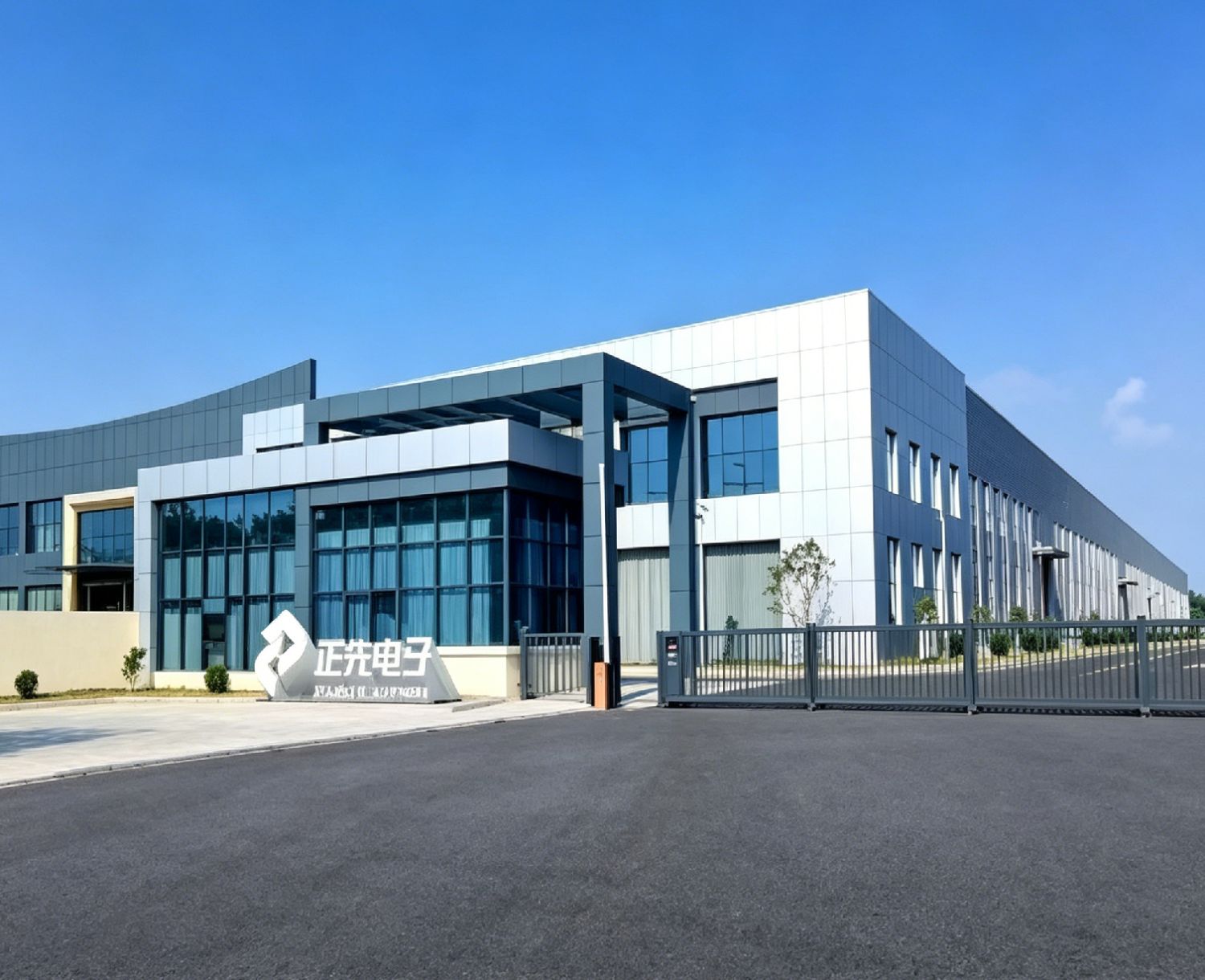

Digital Bus Shelter Factory Innovations Powering Smarter Transit Networks
2026-10-08
The bus shelter you ignored this morning may soon know more about your commute than you do. That’s the shift underway at zemso, where digital factory breakthroughs are transforming static curbside boxes into responsive, data-driven portals for smarter transit networks.
Sheet Metal to Smart Nodes on the Factory Floor
Traditional sheet metal fabrication has long been a corner of the factory where manual skill and heavy machinery dominate. Today, that same sheet metal is being stamped, cut, and bent into parts that carry embedded sensors and wireless connectivity, turning each panel into a smart node on the factory floor. This shift isn't about adding gadgets for the sake of it; it's about giving every piece of metal a voice in the production line.
When a sheet metal component becomes a smart node, it starts reporting its own status—temperature, stress, location, even the quality of a bend. Machines no longer blindly process material; they negotiate with it. A press brake can adjust force in real time based on feedback from the metal itself, reducing scrap and eliminating the need for post-production inspection. The data flows into a local network where other nodes—conveyors, robots, and even handheld tools—react without waiting for a central command.
Workers on the floor aren't replaced by this evolution; they're given a new kind of visibility. Instead of reading physical gauges or relying on experience alone, they see a live map of every sheet metal part as it moves through each stage. Alerts surface only when something drifts out of tolerance. This makes the factory more resilient, but it also changes the nature of the job—from operating machines to orchestrating a network of metal that talks back.
Solar Glass and Silent Power for Shelters
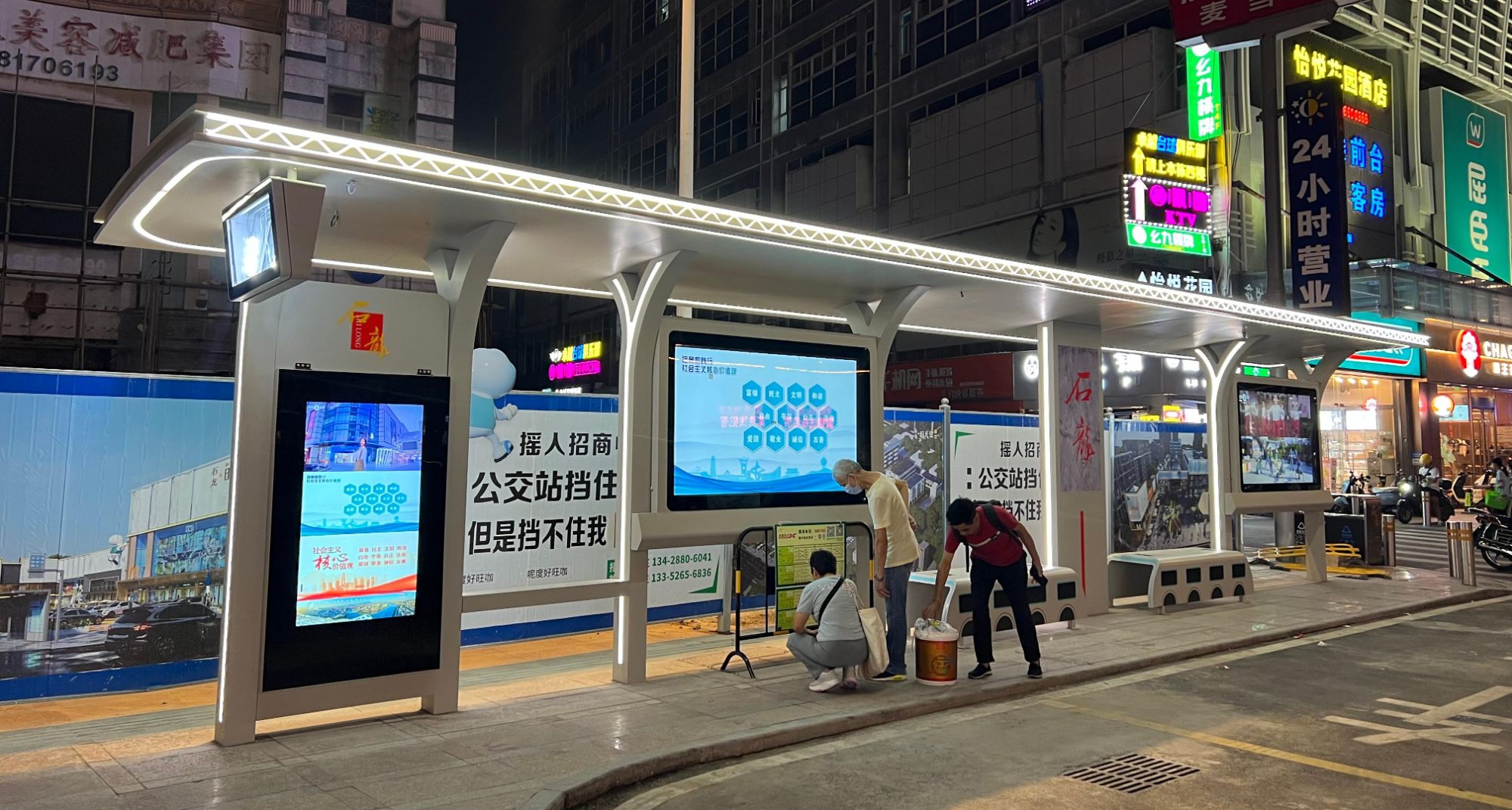
Shelters have long struggled with the dual burden of staying lit and staying quiet. Emergency generators and portable power banks solve one problem while creating another: constant mechanical hum, fuel fumes, and the uneasy feeling that your refuge sounds like a construction site. Solar glass flips that equation. Instead of bolting on panels as an afterthought, the shelter's windows, skylights, and even translucent roof sections become the power source. Each pane captures daylight and converts it into usable electricity, all while remaining perfectly still and completely silent.
The real breakthrough isn't just the material itself, but how it changes the shelter's energy profile. On a bright day, the glass can run essential loads directly — fans for air circulation, LED lighting, a small water pump — without needing a battery reserve. At night, the stored charge in a compact lithium pack takes over unnoticed. There's no generator to start, no fuel to rot in storage, and no moving parts to wear down. For remote cabins, disaster relief units, or off-grid studios, that means the background noise of survival simply disappears.
Designers are starting to treat this as a feature rather than a compromise. A south-facing glass wall that warms the space and charges a backup pack. A clerestory strip that brightens the interior while quietly topping off the battery. Even in partial shade or overcast conditions, modern thin-film cells keep producing a trickle. It's a different kind of resilience: not the loud certainty of a diesel engine, but the patient, steady hum of glass doing its job without ever being heard.
Real-Time Passenger Info Without the Clutter
Most transit screens bury the one thing riders actually need under fare tables, maps, and ads. Here, the next three departures sit in oversized numerals with a thin progress bar that moves as the vehicle approaches. If a bus is delayed, the line simply turns amber and shows a revised minute count—no extra banners, no refresh jitter.
Every other detail stays one tap away. Route changes and elevator outages appear only when they affect a selected line, and they collapse back out of view after a few seconds. The result is a board you can read from across the platform without stopping, even in a crowd.
Modular Frames That Cut Install Time in Half
The core idea behind these frames is simple: most of the tedious work happens before the parts ever reach the job site. Rails, stiles, and corner blocks arrive pre-drilled and pre-fitted, so there's no measuring, clamping, or drilling on a ladder. A typical three-person crew can set a full window wall in under an hour instead of losing half a day to field modifications.
Each module clicks together using a tapered dovetail joint that pulls tighter as the bolts are torqued. That removes the usual guesswork around squareness—once the joint seats, the frame is within a degree of true without a level. Because the hardware is captive, you're not chasing dropped screws or losing time aligning holes.
The real savings show up in repeat installations. Since every frame is built around the same 200mm pitch, one set of shims and one drill bit size cover the entire job. That kind of repetition lets crews move from one opening to the next without stopping to reset tooling—which is where the "half the time" claim actually comes from, not from rushed work.
Weatherproofing Displays for Harsh Transit Corridors
Transit corridors expose displays to rain, snow, dust, and rapid temperature swings that quickly degrade standard enclosures. Sealed gaskets and corrosion-resistant hardware are only the starting point—smart thermal management and pressure equalization prevent internal condensation and fogging that obscure visibility. Choosing materials like powder-coated aluminum or marine-grade stainless steel keeps frames intact even when salt spray or de-icing chemicals are present daily.
Real-world performance depends on testing beyond laboratory specs. Simulating wind-driven rain at highway speeds, freeze-thaw cycling, and UV exposure reveals weak points such as cable entry seals or hinge fatigue. Modular designs allow quick replacement of damaged glass or filters without uninstalling the entire display, reducing downtime in high-traffic stations and tunnels where access is limited.
Field data from coastal and mountain transit systems shows that displays with active ventilation and hydrophobic coatings maintain readability far longer than passive designs. Pairing ruggedized enclosures with remote monitoring of internal humidity and temperature lets maintenance teams act before failures occur, turning weatherproofing from a static feature into an adaptive strategy for unpredictable conditions.
Factory Testing That Simulates City Noise and Heat
Many products destined for urban environments are now subjected to factory tests that recreate the specific acoustic and thermal conditions of a busy city. Instead of relying on generic environmental chambers, manufacturers pipe in recorded street noise—sirens, construction hammering, the rumble of buses—while infrared panels and hot air blowers push temperatures to match a crowded intersection in midsummer. The goal is to catch weaknesses that lab-only testing misses, such as microphones that distort amid low-frequency traffic rumble or enclosures that warp when exposed to both vibration and radiant heat at once.
These simulations often run in specially built rooms where speakers and heating elements are arranged to mimic the uneven way heat and sound move through a city block. A device placed near a simulated subway grate might get hit with sharp temperature spikes, while another mounted near a reflective glass facade experiences intense glare and echoing noise. Test engineers adjust the mix for each product line—outdoor LED displays get more direct sunlight simulation, while intercom systems endure more human babble and honking. Over several hours, data loggers record performance drift, seal integrity, and component temperatures to see if the unit holds up as conditions shift.
The unpredictability baked into the profile is what separates this from older durability testing. Rather than a steady 40°C soak or a fixed decibel level, the test might cycle through a heat island effect after simulated rush hour, then drop into a cooler breeze with occasional truck passes. This forces designers to deal with rapid thermal cycling and intermittent acoustic shocks—the exact pattern that causes solder joints to crack or plastic clips to loosen in real service. The result is a factory floor that sounds and feels less like a lab and more like a sidewalk at 5 p.m., which is precisely the point.
FAQ
Modular frames are cut and pre-wired on parallel lines, while digital twin testing catches integration errors before physical assembly, so transit agencies receive units that snap together on site within days rather than weeks.
The shelter arrives with calibrated environmental sensors, a low-glare display, and an emergency intercom already wired to a single edge controller. Passengers get real-time arrival updates, lighting that automatically adjusts, and a direct call button without any field retrofitting.
Every unit has to pass both structural load tests and live electronics checks on the line. Technicians verify waterproof seals around display housings, run firmware validation, and simulate power loss scenarios before a shelter is crated for shipping.
Because components are modular and remotely diagnosable, a failed display driver or sensor can be swapped by a single technician in under an hour. The factory also provides cloud-based fault codes, so repairs are targeted instead of requiring full-unit replacements.
Thin-film solar panels and a smart battery system are pre-assembled and tuned at the factory. Low-power e-paper displays and motion-triggered lighting keep consumption minimal, and the energy controller can prioritize critical functions during cloudy stretches.
Anonymous wait-time counts, boarding patterns, and microclimate readings flow through a standard API. Planners use that to adjust headways on underperforming routes and to decide where additional weather protection or real-time signage is actually needed.
Yes, because the core frame and electronics remain unchanged. Agencies select panel colors, route map layouts, and logo placements through a parametric configurator, and the factory's cutting and printing systems adapt automatically without re-tooling the line.
Frames use high-recycled-content aluminum, powder coating replaces solvent-heavy paint, and electronic modules are designed for field upgrades instead of full shelter disposal. Packaging uses returnable crates that get cycled back to the factory.
Conclusion
Inside these factories, sheet metal is cut, bent, and welded into frames that no longer just hold glass—they become active nodes on the network. Modular construction is the quiet breakthrough; pre-assembled sections snap together on-site so quickly that a shelter that once took a full day to install now goes up in under four hours. But speed means nothing without durability, so every unit passes through a test bay where speakers blast recorded traffic noise, heat lamps push surface temperatures past 140°F, and vibration plates mimic the rumble of passing buses. Only after surviving those conditions does a shelter earn its place on the street.
Energy independence comes from solar glass laminated directly into the roof, feeding low-voltage systems without the hum of a generator or the clutter of external panels. Passenger information is handled by high-contrast e-paper displays that show arrival times and route changes in bold, readable type—no looping ads, no flickering video, just the data riders actually need. For corridors exposed to salt spray, blowing sand, or freeze-thaw cycles, display housings are sealed with gaskets and pressure-equalizing vents, keeping moisture out while letting the unit breathe. The result is a shelter that feels less like street furniture and more like a reliable, self-powered extension of the transit system.
Contact Us
Contact Person: Leo
Email: [email protected]
Tel/WhatsApp: +86 18901905138
Website: https://www.zemsogroup.com/