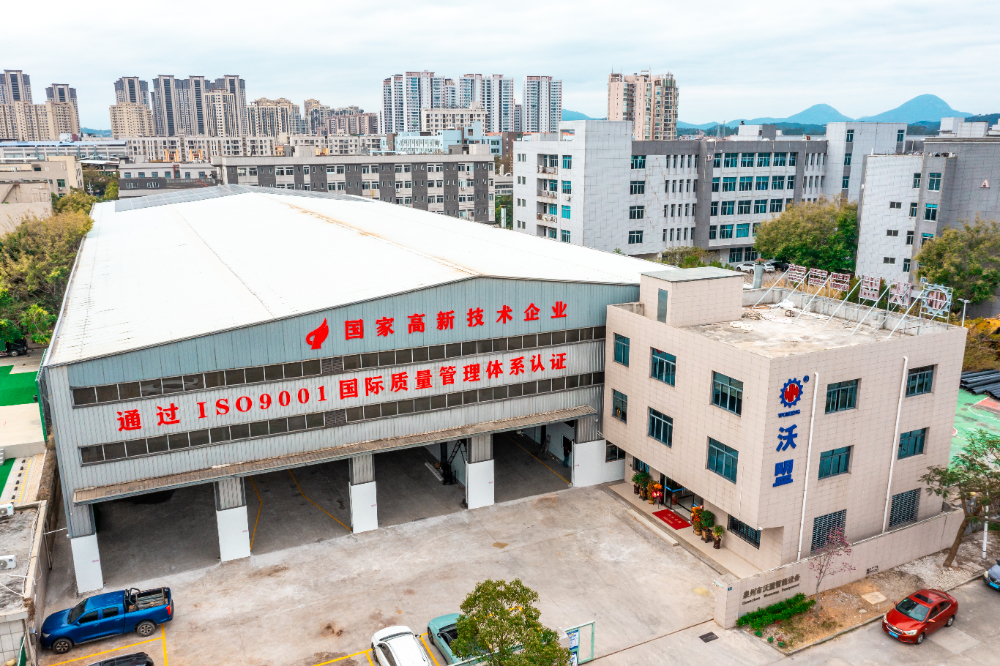

Diaper Manufacturing Machine: Innovative Solutions for Modern Manufacturers
2026-03-09
In the fast-paced world of diaper manufacturing, staying ahead means embracing innovation and efficiency. As modern manufacturers seek cutting-edge solutions to meet growing demands, the role of advanced machinery becomes paramount. At Womeng, we are proud to lead this evolution, offering state-of-the-art diaper manufacturing machines that redefine industry standards. This blog delves into the transformative technologies and smart designs that set our equipment apart, highlighting how they streamline production, enhance sustainability, and boost profitability. Get ready to explore the future of diaper manufacturing—where precision meets progress, and every detail counts.
Revolutionary Diaper Machine Designs Transforming Production Lines
Gone are the days of clunky, slow-moving diaper production lines. Today, a wave of innovative machine designs is reshaping the industry, introducing unprecedented levels of efficiency and flexibility. These modern systems integrate advanced robotics and modular components, allowing manufacturers to switch between product types, such as moving from toddler to newborn diapers, with minimal downtime. The synchronization of cutting-edge sensors and machine learning algorithms ensures real-time quality control, detecting defects like uneven absorbent layers or weak seams before they compromise the final product. This shift isn't just about speed—it's about creating a smarter, more responsive production environment that adapts to market demands on the fly.
One standout feature of these new designs is their focus on sustainability, a trend that sets them apart from older models. By incorporating precision-driven material dispensing and waste-reduction technologies, these machines drastically cut down on excess raw materials, such as fluff pulp and superabsorbent polymers, slashing both costs and environmental impact. For instance, some systems use ultrasonic bonding instead of traditional adhesives, eliminating chemical use and enabling easier recycling of diapers at end-of-life. This eco-conscious approach not only appeals to environmentally aware consumers but also helps factories meet tightening regulatory standards worldwide, positioning them as leaders in a competitive landscape.
Moreover, these revolutionary machines are enhancing worker safety and operational uptime through user-centric innovations. Ergonomic interfaces and intuitive touchscreens reduce training times and minimize human error, while predictive maintenance capabilities anticipate mechanical issues before they lead to costly breakdowns. In practice, this means a production line that can run continuously for longer periods, boosting output without sacrificing reliability. As these designs become more widespread, they're not just transforming how diapers are made—they're redefining the entire manufacturing process, making it cleaner, faster, and more adaptable than ever before.
Enhancing Efficiency with Cutting-Edge Automation Technologies
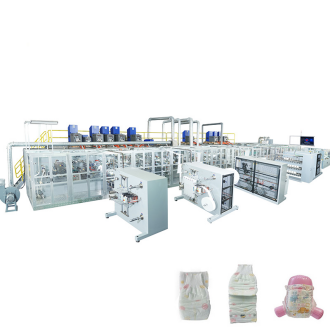
Delving into the realm of cutting-edge automation technologies reveals a transformative landscape where efficiency isn't just improved—it's redefined. Imagine systems that can adapt in real-time to changing conditions, seamlessly integrating with existing workflows to minimize downtime and maximize productivity. By leveraging advancements such as machine learning algorithms and robotic process automation, organizations are unlocking capabilities that were once considered futuristic. These technologies learn from data patterns, make intelligent decisions autonomously, and handle repetitive tasks with precision, freeing up human talent for more strategic roles. For instance, in logistics, automated warehousing robots can navigate complex routes, ensuring faster order fulfillment and reduced errors, while in finance, AI-driven platforms can analyze vast datasets to optimize investment strategies and risk management. This shift toward automation is not merely about replacing manual labor; it's about creating synergistic environments where technology enhances human ingenuity, leading to unprecedented levels of operational efficiency and competitive advantage.
Moreover, the adoption of cutting-edge automation extends beyond traditional sectors, driving innovation in fields like healthcare and manufacturing. In surgical settings, robotic-assisted systems provide surgeons with enhanced precision and control, enabling minimally invasive procedures that reduce recovery times and improve patient outcomes. Similarly, smart factories equipped with Internet of Things (IoT) sensors can monitor equipment health in real-time, predicting maintenance needs before failures occur, thus minimizing production halts and resource waste. By embracing these technologies, businesses and institutions are not only boosting their efficiency but also fostering resilience and adaptability in an increasingly dynamic global market. It's a proactive approach that turns challenges into opportunities, ensuring long-term sustainability and growth.
Ultimately, enhancing efficiency through cutting-edge automation is a journey of continuous evolution. As technologies advance, so do the possibilities for optimization, requiring ongoing investment in skills development and infrastructure. By staying at the forefront of innovation, organizations can harness automation to streamline operations, reduce costs, and enhance customer experiences, positioning themselves as leaders in an era where agility and efficiency are paramount. This pursuit of excellence through automation is reshaping industries, setting new standards for what can be achieved when human creativity meets technological prowess.
Sustainable Solutions for Eco-Friendly Manufacturing Processes
Transforming manufacturing into a greener endeavor often starts with energy efficiency upgrades—think solar panels or heat recovery systems that slash carbon footprints while trimming operational costs. By integrating renewable energy sources and optimizing machinery, factories can produce the same goods with significantly less environmental impact, making sustainability a practical choice rather than a costly add-on.
Waste reduction is another key pillar, where circular economy principles come into play. Instead of discarding materials, manufacturers can adopt closed-loop systems that reuse scrap or by-products within the production cycle. This not only minimizes landfill contributions but also fosters resource conservation, turning what was once waste into valuable inputs and enhancing overall supply chain resilience.
Beyond processes, selecting eco-friendly materials, such as biodegradable plastics or responsibly sourced raw materials, can further green the final product. Coupled with digital tools like IoT sensors for real-time monitoring, these strategies allow for precise control over emissions and resource use, ensuring that eco-friendly manufacturing isn't just a trend but a sustainable, forward-thinking approach.
Customizable Features to Meet Diverse Market Demands
In today's fast-paced marketplace, businesses often struggle to find off-the-shelf solutions that perfectly align with their unique operational needs and customer expectations. Recognizing this challenge, our platform offers a suite of highly customizable features. This flexibility allows companies to tailor tools and interfaces, enabling them to adapt quickly to regional trends, industry-specific regulations, and evolving consumer behaviors without requiring a complete system overhaul.
For instance, users can modify reporting dashboards to highlight key performance indicators relevant to their sector or adjust user permissions to match internal workflows seamlessly. This level of personalization not only boosts efficiency but also fosters a more intuitive user experience, as teams interact with a system designed around their specific tasks rather than generic templates. By empowering businesses to configure these aspects, we help them stay agile and responsive in a competitive environment.
Ultimately, our approach goes beyond mere configuration options; it's about providing a foundation that grows alongside your business. As market conditions shift, these customizable features ensure that your toolkit remains relevant and effective, reducing the need for costly third-party integrations or time-consuming workarounds. This adaptability is key to meeting diverse demands across different segments, from startups to established enterprises.
Advanced Safety Measures Ensuring Operator and Product Security
In today's fast-paced industrial environment, the implementation of advanced safety measures goes beyond basic compliance, focusing on proactive systems that protect both operators and the integrity of the final product. These measures integrate cutting-edge technologies such as real-time monitoring sensors and automated shutdown protocols, which respond instantly to anomalies, minimizing risks before they escalate. By prioritizing operator well-being and product quality, companies not only enhance workplace safety but also build trust with consumers who demand reliability and consistency in their purchases.
A distinctive aspect of these advanced systems is their adaptability across diverse production stages, tailored to address specific hazards unique to each environment. For instance, in high-risk sectors like chemical manufacturing or food processing, customized safety protocols include fail-safe mechanisms that isolate contaminants or prevent mechanical failures. This personalized approach ensures that safety isn't a one-size-fits-all solution but a dynamic framework that evolves with operational changes, ultimately reducing downtime and safeguarding product purity from source to shelf.
Moreover, the integration of human-centric design elements, such as ergonomic controls and intuitive interfaces, empowers operators to interact safely with complex machinery. Training programs complement these technologies by fostering a culture of vigilance, where staff are equipped to identify potential threats and act swiftly. This holistic strategy not only prevents accidents but also boosts morale, as workers feel valued and secure, knowing their safety is intertwined with the product's excellence, creating a resilient ecosystem where both thrive.
Future Trends in Diaper Equipment for Competitive Advantage
The diaper equipment industry is rapidly evolving, driven by a push for greater efficiency and sustainability. Manufacturers are increasingly investing in smart machinery embedded with IoT sensors and AI algorithms to monitor production in real-time, predict maintenance needs, and minimize downtime. This technological leap not only slashes operational costs but also enhances product consistency—a critical factor in maintaining quality across large-scale runs. Companies that adopt these innovations early can gain a significant edge by reducing waste and responding swiftly to market demands.
Another key trend is the shift toward modular and flexible equipment designs. As consumer preferences diversify—think eco-friendly materials or specialized products for sensitive skin—manufacturers need machinery that can quickly adapt to new materials or production changes without requiring a complete overhaul. This modularity allows for faster innovation cycles, enabling brands to launch niche products ahead of competitors. By prioritizing adaptability, businesses can capture emerging market segments and build a reputation for agility in a crowded field.
Sustainability is no longer just a buzzword; it's becoming a core driver of competitive advantage. Equipment advancements now focus on energy-efficient processes and reduced material usage, such as precision-adhesive application systems that minimize glue waste. Forward-thinking companies are leveraging this to appeal to environmentally conscious consumers and comply with stricter regulations, turning green initiatives into a unique selling point. Those who integrate sustainable practices into their equipment strategy are likely to see improved brand loyalty and long-term cost savings.
FAQ
Modern machines incorporate advanced automation for faster production, eco-friendly materials handling, and real-time quality control sensors to reduce waste.
They streamline processes with integrated systems that minimize downtime, optimize resource use, and allow for rapid product customization without sacrificing output speed.
Many models focus on energy-efficient operations, recyclable material processing, and reduced water usage to align with green manufacturing standards.
Yes, they are designed with flexible configurations to easily switch between various sizes, styles (like disposable or biodegradable), and absorbency levels.
Regular checks on moving parts and software updates are essential, but newer machines often have self-diagnostic tools to simplify upkeep and prevent major breakdowns.
While initial investment might be higher, long-term savings come from lower labor needs, reduced material waste, and increased throughput, making it cost-effective over time.
They include automatic shutdown mechanisms, protective guarding, and emergency stop buttons to ensure operator safety during high-speed operations.
Manufacturers typically offer comprehensive training and support, including on-site sessions and digital manuals, to help teams adapt quickly to new technologies.
Conclusion
The diaper manufacturing industry is undergoing a revolutionary transformation, driven by innovative machines that reshape production lines and enhance efficiency. Modern designs integrate cutting-edge automation technologies, streamlining processes and reducing operational costs. These advancements not only boost productivity but also incorporate advanced safety measures to ensure both operator well-being and product security, creating a robust manufacturing environment.
Sustainability is a key focus, with eco-friendly processes becoming integral to meet environmental standards. Manufacturers benefit from customizable features that adapt to diverse market demands, offering flexibility in product variations. Looking ahead, future trends in diaper equipment promise competitive advantages through continuous innovation, positioning producers to thrive in a dynamic global market.
Contact Us
Contact Person: Jessie Lai
Email: [email protected]
Tel/WhatsApp: 86-188594442931
Website: https://www.wm-machinery.com