

Custom Reflective Film ODM: Tailoring High-Visibility Solutions for Your Brand
2026-06-04
When visibility meets customization, your brand goes beyond the ordinary. Jinbo specializes in custom reflective film ODM, delivering high-visibility solutions that combine safety with distinctive brand identity. Whether for workwear, accessories, or promotional gear, our tailored approach ensures your brand shines—literally—in any light. Let's explore how customized reflective films can elevate your brand and keep you seen.
Crafting Unique Reflective Films That Define Your Brand
Every surface tells a story, and reflective films give yours a voice that shifts with the light. Instead of settling for off-the-shelf solutions that blend into the background, you can craft layers that catch attention exactly when it matters—whether it’s a subtle glow under streetlamps or a bold statement in direct sun. This isn’t about adding shine; it’s about shaping perception through material that responds to its environment, making your brand impossible to overlook.
Customization goes deeper than picking a color from a catalog. Think about textures that mimic brushed metal or holographic shifts that reveal hidden patterns only from certain angles. By adjusting opacity, reflection angles, and even the tactile feel, you turn safety or decoration into a signature. A delivery van becomes a moving canvas. A store window transforms into an interactive surface. The film becomes part of your design language, not just an afterthought.
The result is a brand presence that feels deliberate and alive. People might not consciously notice the film itself, but they’ll remember the way your product packaging caught their eye in a crowded aisle, or how a building façade seemed to change personality as clouds passed overhead. These small, crafted details build a connection that standard materials can’t replicate—turning everyday encounters into quiet confirmations of your brand’s creativity and care.
From Concept to Creation: The ODM Journey for High-Visibility Gear
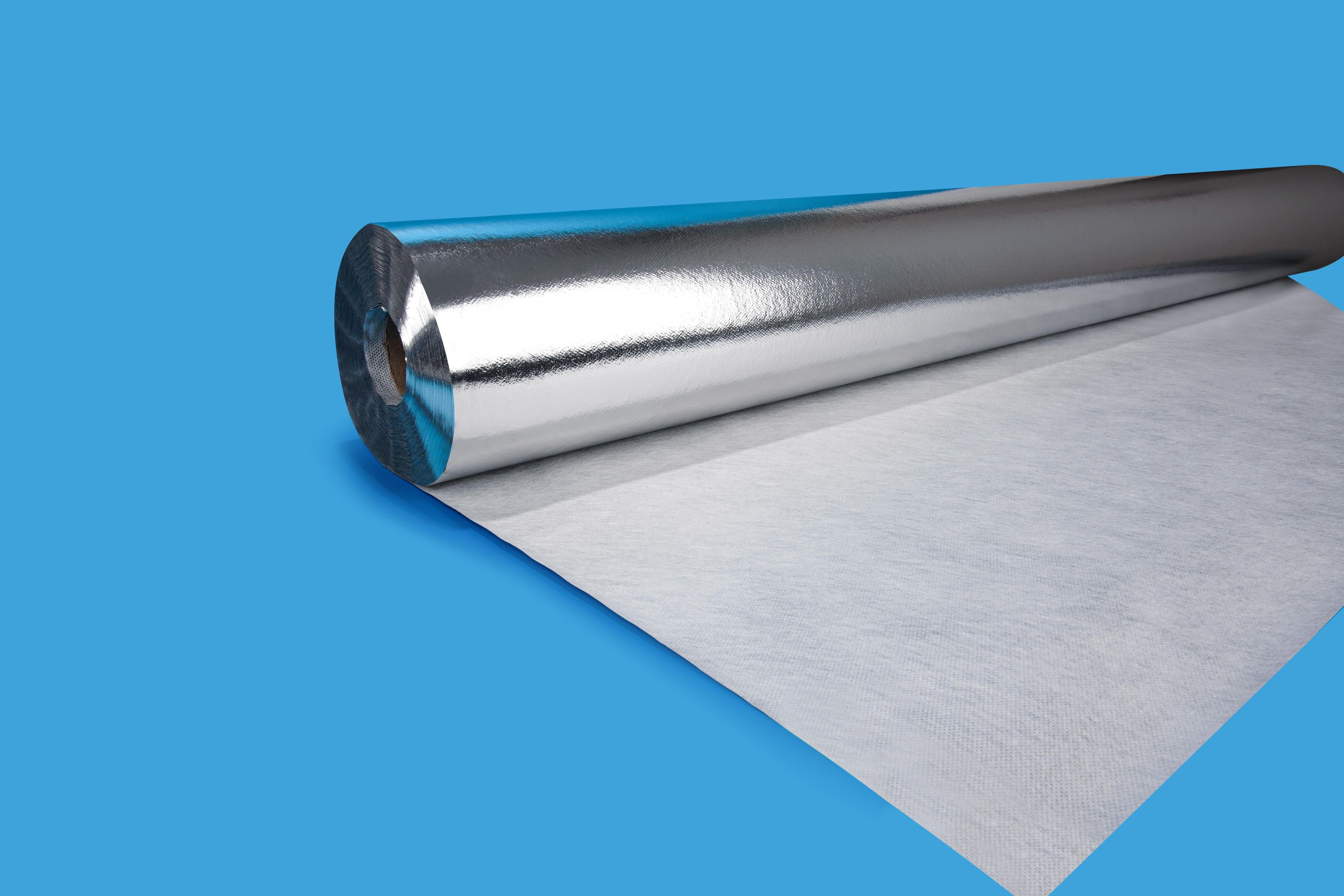
Bringing high-visibility gear from a rough idea to a finished product demands more than just technical know-how. It starts with an intimate understanding of the end user—whether it’s a road crew battling early morning fog or a warehouse worker navigating dimly lit aisles. Designers and engineers work side by side to map out every functional and safety requirement, often visiting work sites to see the real-world conditions firsthand. This initial phase isn’t about sketching; it’s about listening and observing. Only after absorbing these gritty details does the team begin translating them into conceptual designs that balance compliance, comfort, and durability.
Once the concept takes shape, the real test begins. Prototypes are stitched, taped, and assembled with precision, then subjected to relentless lab simulations and field trials. Reflective materials are stretched, washed dozens of times, and exposed to extreme temperatures to see if they still hold up. Fit models wear different versions on active shifts, flagging any chafing seams or restricted movement. Feedback loops tighten here—every loose thread, every peeling reflective strip sends the design back for refinement. It’s a messy, iterative process that separates a mediocre product from one that people actually trust when their safety is on the line.
The final leap from creation to delivery ties everything together. Manufacturing lines are calibrated to replicate the approved prototypes without cutting corners. Quality checks are woven into each production stage, from raw fabric inspection to the final luminescence reading under controlled light. But the journey doesn’t end at the loading dock. A genuine ODM partnership anticipates warehousing needs, custom labeling, and even rapid reorder triggers so that supply chains stay responsive. The result is more than just a garment; it’s a thoughtfully engineered tool that quietly goes to work every time the sun sets or the weather turns.
Material Matters: Choosing the Right Reflective Components for Your Vision
The heart of any reflective design lies in the materials you choose—they dictate not just how bright the reflection appears, but how long that performance lasts under real-world conditions. Glass bead technology, for example, still dominates many road safety applications because of its excellent wide-angle reflectivity and resistance to abrasion. But if you're chasing precision in a compact form, microprismatic films push the boundaries further by returning significantly more light directly back to its source. The trade-off is that their angular performance can be more directional, so matching the material to the expected viewing geometry is one of those early decisions that pays dividends later.
Then there’s the environment itself. A reflective component that shines brilliantly in a dry, controlled test tunnel might degrade surprisingly fast when it’s hammered by UV exposure, moisture, and temperature swings. Polycarbonate-based prisms offer exceptional clarity and toughness, yet they can yellow over time without proper UV stabilization. Acrylics hold up better against the sun but tend to be more brittle. For outdoor fixtures, I’ve seen specifiers lean toward encapsulated lens systems or even hybrid constructions that sandwich retroreflective elements between protective layers—sacrificing a touch of initial brightness for years of consistent visibility. The bill of materials should read like a survival plan for the intended installation site.
It’s also worth looking beyond the basic spec sheets. The way a reflective material is integrated into your product—whether it’s molded into a housing, adhesively bonded, or mechanically fastened—changes everything from thermal expansion stresses to repairability. Some premium segmented films allow for individual cell replacement, which sounds small but becomes vital when you’re maintaining miles of guide posts. Ultimately, the right choice isn’t always the material with the highest coefficient of retroreflection; it’s the one whose physical and optical properties align with how the end user will actually experience your vision, in all sorts of weather and lighting conditions.
Beyond Safety: How Custom Reflective Films Elevate Brand Identity
Reflective films have long been synonymous with visibility and protection, but their role has quietly evolved. Today, they aren't just about keeping people seen—they're about making a statement. Custom reflective films open a door to turning functional safety elements into powerful brand touchpoints. Imagine a delivery fleet whose vehicles shimmer with the company's signature colors as headlights hit them at night, or a retail storefront that integrates reflective motifs into its window graphics, catching the eye of passersby after dark. This shift transforms a mandatory safety feature into an intentional canvas for storytelling.
The magic lies in the subtle details. By embedding logos, patterns, or custom color gradients into the reflective layer itself, brands create a consistent visual experience that works around the clock. It's not just about slapping a logo onto a conspicuity tape—it's about weaving identity into the very material that keeps people safe. When done right, these films become part of the built environment, reinforcing recognition and trust without shouting for attention. In a market where standing out is everything, this kind of integrated design leaves a lasting impression that generic safety markings simply can't match.
Partnering for Precision: What to Expect from a Reflective Film ODM
Working with a reflective film ODM means engaging with a partner whose expertise runs deep in material science and optical engineering. From initial concept to final production, the focus is on aligning every detail with your product's unique requirements—whether that involves fine-tuning retroreflective performance, adjusting film flexibility for curved surfaces, or ensuring color consistency across batches. This collaboration goes beyond simply sourcing a standard component; it's about jointly developing a tailored solution that performs reliably under real-world conditions.
A precision-driven ODM brings rigorous testing protocols and a proactive approach to problem-solving. You can expect transparent communication about material limitations, lead times, and cost drivers early in the process, which helps avoid surprises later. Many also offer design-for-manufacturability feedback, suggesting subtle modifications that enhance durability or simplify assembly without compromising the intended visual effect. This level of engagement often shortens development cycles and reduces the need for iterative sampling.
Ultimately, the hallmark of a reliable partner is consistency. They maintain strict process controls so that every roll of reflective film meets the same optical and physical standards, even as your order scales. Long-term support might include joint R&D for next-generation products or assistance navigating regulatory standards for safety applications. When the relationship is built on mutual precision, the result is a supply chain that feels less like a transaction and more like an extension of your own engineering team.
Real-World Impact: Custom High-Visibility Solutions in Action
Custom high-visibility gear isn’t just about meeting standards—it’s about solving real problems on the ground. Take a railway maintenance crew working in low-light conditions, for instance. Off-the-shelf vests often fail when tools and equipment need to be accessed quickly. By integrating magnetically sealed pockets and reinforced tool loops directly into the hi-vis design, workers no longer fumble for gear or risk dropping items onto tracks. The result is a smoother workflow and a measurable drop in near-miss incidents, simply because visibility and functionality are finally working together.
In the event management space, the impact goes beyond safety. A major outdoor festival recently switched to fully customized high-visibility uniforms for their security and medical teams. Instead of generic orange vests, they opted for engineered fits with breathable mesh panels, designated radio harness slots, and subtle branding that still kept the teams identifiable from every angle. This not only helped attendees quickly spot assistance in dense crowds, but also elevated the staff’s comfort during 12-hour shifts. The unexpected payoff? Improved team morale and a stronger sense of professionalism that attendees actually commented on in post-event surveys.
Then there’s the quiet transformation happening in roadside construction. One contractor reported that after trialing custom high-visibility shirts with integrated cooling fabric and asymmetrical reflective banding, their flaggers stayed visibly more alert during summer heatwaves. Drivers approaching the site responded faster to flagging signals, likely because the asymmetrical pattern created a subtle motion cue even when the flagger was still. It’s a small design tweak, but on a 100°F day, it’s the kind of detail that turns a high-visibility garment from a mandatory burden into a genuine performance tool.
FAQ
ODM stands for Original Design Manufacturer. In our case, we don't just produce reflective film to your specifications—we help design and develop unique high-visibility solutions from scratch. Whether you need a specific color, pattern, or performance feature, our team handles the entire R&D process so the final product is truly yours.
By incorporating your brand's colors, logos, or signature patterns directly into the reflective material, you create a product that stands out. It's not just about visibility—it's about making safety gear, apparel, or accessories instantly recognizable as yours. This strengthens brand identity and customer loyalty.
We can tailor a wide range: glass bead, microprismatic, printable, sew-on, heat transfer, and more. Each type can be adjusted for retroreflectivity levels, flexibility, backing adhesive, and even stretchability depending on your intended use—from athletic wear to industrial safety vests.
It starts with your idea. You share your requirements—color, brightness, substrate, durability needs—and our engineers evaluate feasibility. Then we create samples, run tests, and refine until you're satisfied. Production scales up only after your approval. The whole process is collaborative and transparent.
We source premium raw materials and run rigorous testing: accelerated weathering, washability trials, abrasion resistance, and retroreflectivity measurements. Every batch is checked against international standards like EN 20471 or ANSI/ISEA 107, so you can trust the film will perform in real-world conditions.
Absolutely. Many brands worry that reflective materials look too industrial, but we can embed luminous effects, create subtle tone-on-tone designs for daytime appeal, or develop textures that match fashion trends. The result is high visibility that complements your design aesthetic, not compromises it.
Conclusion
Custom reflective film ODM isn't just about adding shine to safety gear—it's a strategic opportunity to embed your brand's unique story into every reflective detail. By collaborating with the right partner, you move beyond generic stock solutions and into a realm where every film component is crafted to echo your visual identity, from the sheer of a microprismatic surface to the precise hue of a colored tape. The journey begins with a deep dive into your brand's ethos, transforming abstract concepts into tangible, high-performance materials that stand out in low light and broad daylight alike. This tailored approach ensures that your products don't just meet visibility standards; they become unmistakable ambassadors of your brand's commitment to quality and originality.
Material selection sits at the heart of this process, guiding decisions on durability, flexibility, and reflective brilliance to align with your vision. Whether you're developing sleek athletic wear or rugged industrial uniforms, the ODM experience merges cutting-edge engineering with a keen aesthetic sense, ensuring each reflective element performs flawlessly while amplifying your brand presence. The real-world impact is clear: from urban commuters who trust your gear on dark streets to work crews whose uniforms become mobile billboards, customized high-visibility solutions elevate both safety and recognition. Partnering with an experienced ODM means gaining a collaborator who navigates technical complexities with precision, turning your ideas into products that shine brightly in every sense—because when your brand is reflected with such care, it's impossible to overlook.
Contact Us
Contact Person: Miranda
Email: [email protected]
Tel/WhatsApp: +8615231299719
Website: https://www.ihousewrap.com/