

Cooling Mattress Topper Supplier: How to Vet Quality and Comfort Before You Commit
2026-10-26
Cooling mattress toppers are everywhere right now, but not all of them live up to the name. If you're sourcing for a brand or just upgrading your own bed, the wrong choice means waking up hot, sticky, and annoyed. Vetting a supplier properly—checking gel coverage, airflow, and actual comfort—is the only way to avoid that. Kunbao has built its reputation on transparent quality standards, so it's a useful benchmark when you compare options. Here's what to look for before you sign off on any cooling mattress topper supplier.
Start with the surface fabric—it does more than you think
Most people treat upholstery fabric as a cosmetic afterthought, but the surface layer sets the whole mood of a room. A tightly woven twill or canvas doesn't just look crisp—it shrugs off daily abuse, hides faint scuffs, and keeps its shape long after softer weaves have gone slack. Choosing the right surface is less about matching a color swatch and more about reading how light hits the weave, how the fibers respond to touch, and whether the texture invites you to sit or merely admire from a distance.
Beyond appearance, the fabric's breathability and friction quietly shape comfort. A breathable cotton-linen blend stays cooler in summer and doesn't cling to skin, while a high-rub-count synthetic can take years of pets and kids without breaking a sweat. If you want a sofa that actually earns its place, ignore the showroom shine and run your hand against the grain—great fabric has a way of telling you exactly what it's built for.
Ask how the airflow channels work, not just whether they exist
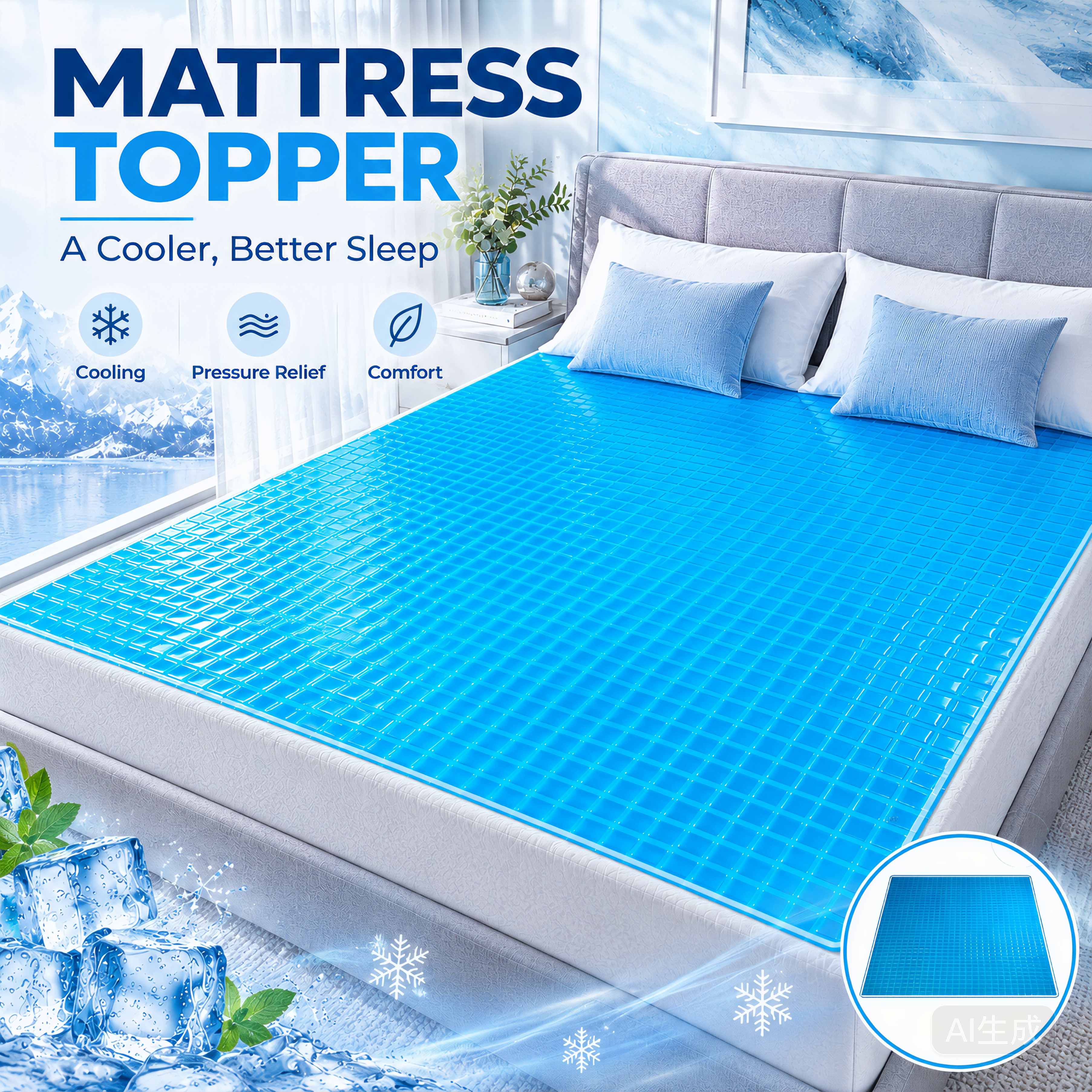
Most airflow channels are treated like a box on a spec sheet, but that tells you almost nothing. What matters is the internal geometry—how the inlet narrows, whether the walls curve to keep the boundary layer attached, and where the outlet pressure drops. A well-designed channel doesn't just let air pass; it speeds it up through a venturi-like narrowing, reducing static pressure so warm air gets pulled out rather than pushed.
Ask about the cross-section changes along the path. A channel that tapers gradually can maintain laminar flow, while an abrupt step creates eddies that waste energy and increase noise. The orientation of internal fins or dividers also matters more than their presence. They should split and redirect the stream without adding drag, otherwise the “channel” is just a hollow cavity with a label.
The best test is to trace a single air particle from entry to exit. If the path accelerates through a smooth contraction, stays attached around bends, and exits with higher velocity than it entered, the channel is actually doing thermal work. If not, it's just a cosmetic groove.
Pressure relief depends on the transition layer, not just overall thickness
In mattress design, it’s tempting to judge comfort by total height alone, but the real story lies in the transition layer. This intermediate foam sits between the soft comfort top and the high-density support core, and it’s here that pressure relief is won or lost. A thick mattress with a poorly designed transition layer can still create painful pressure points, while a thinner one with a carefully tuned transition can cradle the body far more effectively. The transition layer manages how quickly your hips and shoulders sink before being supported—too fast and you bottom out against the firm base; too slow and you never get the contouring you need.
What makes the transition layer so critical is its role as a stress distributor. When you lie down, your body’s weight isn’t uniform—heavier zones like the pelvis and shoulders press harder. A well-calibrated transition foam changes density and firmness gradually, spreading that load across a wider area and preventing sharp pressure spikes. Simply adding more inches to the top comfort layer doesn’t solve this; it just delays the moment your body meets the unforgiving support base. The transition layer’s density, thickness, and placement determine whether you wake up refreshed or with numbness in your arms and legs.
So when comparing mattresses, look beyond overall thickness. Ask how the transition layer is engineered: its material type, firmness progression, and how it interacts with the layers above and below. A thinner mattress with a smartly designed transition zone can outperform a much thicker one that piles soft foam on a rigid core without any thoughtful intermediary. True pressure relief is a system property, and the transition layer is the quiet hinge that makes or breaks the entire sleep surface.
Wash and wear: demand evidence for long-term cooling performance
A cooling shirt that loses its edge after five laundry cycles isn't a technology—it's a gimmick. Yet most brands never publish durability data for their "ice" or "cold" fabrics. Before you buy another piece of activewear promising lower skin temperature, ask the manufacturer for third-party test results after 20, 30, or 50 washes. Not just fresh-out-of-the-box lab numbers.
Real-world evidence matters more than a marketing video of a thermometer on a sleeve. Look for standardized wash-and-dry protocols, ideally mirroring how actual athletes treat their gear: hot water, enzyme detergents, and a tumble dryer. If the cooling effect relies on a polymer coating or a phase-change material embedded in the fiber, repeated mechanical stress and detergent exposure will challenge it. Ask which metric they track—Qmax, thermal effusivity, or evaporative cooling retention—and over how many cycles.
Demand the full curve, not a single data point. A fabric that keeps 80% of its cooling capacity at wash 10 but collapses by wash 25 is not a durable solution. Compare brands that openly publish wash-cycle degradation graphs. The ones that don't aren't hiding good news.
Real trial periods vs. restocking fees: what suppliers rarely mention
A “free trial” often isn't free once you read the return policy. Suppliers may tout a 30-day window, but buried in the terms is a restocking fee that kicks in the moment the product shows wear, or even if the original tape is missing. The real difference is this: a genuine trial lets you send it back without explaining yourself, while a restocking fee is a quiet way of charging you for the supplier's own logistics. What they rarely mention is that the fee can be waived if you ask, or that it climbs higher for heavier or custom-configured items.
Some suppliers blur the line by calling it a “trial period” but then treating every return as a restock, no matter the condition. They bank on you not wanting to eat a 15–25% charge, so the item stays in your hands. Before you commit, ask one direct question: “If I return this within the trial window, what exactly comes out of my refund?” If the answer changes depending on who you talk to, that trial isn't a trial—it's a rental dressed up with nicer words.
Third-party testing reports tell you more than eco-labels alone
Eco-labels tend to compress a lot of information into a single mark, which often leaves out the numbers that actually matter. A third-party testing report, by contrast, shows you the exact methods, detection limits, and pass/fail thresholds behind a product's environmental claims. Instead of just seeing a leaf icon or a vague "low VOC" badge, you can check how many micrograms per cubic meter were emitted after 24 hours, under what temperature and humidity, and whether that result sits comfortably below a recognized health benchmark or barely squeaks past.
There is also the question of consistency. A label is usually awarded once, based on a sample that may have been hand-picked or produced under ideal conditions. Independent lab reports often involve repeated testing across different batches, which gives you a clearer sense of whether a manufacturer can maintain its environmental performance over time. This matters a great deal for materials like paints, flooring, or furniture, where a single strong result may not reflect what actually ends up in your home months later.
Perhaps most importantly, third-party reports make it easier to compare products that carry similar-looking labels. Two items can both display a green certification, yet one may off-gas at a fraction of the rate of the other. Without the underlying data, those differences remain invisible. A detailed report turns a simple marketing claim into something you can verify, question, and use to make a more informed choice.
FAQ
Look beyond marketing terms like "cooling gel." The best options typically blend breathable fabrics such as cotton or Tencel with phase-change materials or graphite-infused foam. Check the density and open-cell structure of any foam layer—higher density tends to last longer but can trap heat if not ventilated. Ask the supplier for a breakdown of the top fabric, middle layer, and base, and request samples to feel the surface temperature after a few minutes of contact.
Request a small sample and run a simple side-by-side comparison: place the topper sample and a standard foam sample under a warm object for 20 minutes, then use an infrared thermometer to check surface heat. Also ask for third-party test data like thermal conductivity or Q-max values. A supplier who hesitates to share measurable results is often relying on vague language.
Prioritize OEKO-TEX Standard 100 for chemical safety, CertiPUR-US for foam emissions, and any flammability compliance for your target market. If they mention cooling technology, ask for lab reports showing heat retention or moisture wicking metrics. Don't accept a certificate for one product if they're shipping a different batch—request batch-specific documentation.
Focus on three measurable factors: pressure relief, support consistency, and surface feel. Ask the supplier to provide Indentation Load Deflection (ILD) numbers for foam layers, and request samples in at least two firmness levels. Have three to five people with different body types lie on each sample for ten minutes and record where they feel pressure or heat buildup. Subjective feedback combined with firmness data gives a clearer picture than a single opinion.
Inquire about the topper's expected lifespan in years, the density of any foam (higher density usually means less sagging), and whether they have accelerated aging test results showing performance after simulated years of use. Also ask how the cooling properties hold up after repeated compression or washing if applicable. A supplier that only guarantees the topper for six months may be signaling a short product life.
Create a simple scorecard with weightings for heat regulation, material safety, comfort consistency, lead time, and price per unit. Ask each supplier to fill in specific data points—like foam density, fabric thread count, and cooling technology type—rather than adjectives. Then test their top samples under the same conditions. This turns vague claims into comparable numbers and helps you spot outliers quickly.
Yes. Watch for suppliers who can't explain how their cooling mechanism works, offer no third-party test reports, use stock photos instead of real product samples, or quote a price far below market average without a clear reason. Also be wary if they push for a large deposit before you've approved a pre-production sample, or if their warranty terms exclude heat-related performance.
Most reputable suppliers can adjust foam density, add graphite or gel infusions, or change the cover fabric. However, customization means you need to approve a pre-production sample before mass production. Ask how they document custom specs—thickness, density, cooling additive percentage—and whether they charge for multiple sample iterations. A supplier that rushes you past the sample stage is likely to deliver something different from what you approved.
Conclusion
Choosing a cooling mattress topper supplier isn't about chasing the thickest slab or the most eco-certifications on a label. Start by examining the top fabric closely. A breathable knit or open-weave cover may feel pleasant at first touch, but what matters more is how it manages moisture overnight and whether it pills or traps heat after a few weeks. Then dig into the airflow design. Many suppliers mention "air channels" without explaining whether they form a continuous path for warm air to escape or are just shallow grooves with no real effect. The transition layer below the foam surface often gets ignored, yet it's the part that determines whether you sink too far or get proper lumbar support. A dense, responsive middle layer can make a 3-inch topper feel more balanced than a 5-inch soft one.
Long-term cooling claims deserve more than a marketing sheet. Ask for wash and wear test data—specifically how the topper holds up after multiple laundering cycles or extended use under heat and humidity. Some suppliers will hand you a trial period but bury restocking fees in the fine print, so clarify what a "free trial" actually costs if you decide to return it. Finally, look past vague eco-friendly badges and request third-party test reports for breathability, heat retention, and chemical off-gassing. These documents tell you how the product behaves in a controlled setting rather than in a staged photo. A supplier willing to share detailed performance data and transparent return terms is typically one that has already thought through the weaknesses most buyers discover only after sleeping on it.
Contact Us
Contact Person: Catherine Peng
Email: [email protected]
Tel/WhatsApp: +86-13434169510
Website: https://www.kbcoolgel.com/