

CI Flexo Printing Machinery Maker: What to Look for in a Reliable Flexographic Press Manufacturer
2026-11-16
Selecting a CI flexo printing machinery maker is rarely just about print width or speed. It’s about knowing whether the manufacturer will stand behind the press when production pressure hits. From frame rigidity to drying efficiency and after-sales response, the wrong choice quietly drains your margins. This guide cuts through sales talk to highlight the real factors that set a reliable flexographic press manufacturer apart—and why companies like HuiPeng continue to come up in those conversations.
Assessing Build Quality and Precision Engineering
When you pick up a well-made tool, the first thing you notice is how the weight settles in your palm. There's no rattle, no give, just the quiet confidence of tight tolerances and solid materials. Run a thumb along the seams—where two machined parts meet—and you'll feel either a barely perceptible hairline or an uneven gap that tells you corners were cut. Precision engineering isn't about flashy finishes; it's about the cumulative effect of a hundred small decisions, from the chamfer on a screw head to the consistency of anodizing under harsh light.
Beyond the surface, true craftsmanship reveals itself under use. A hinge that swings without a hint of wobble after a thousand cycles, a locking mechanism that clicks into place with the same satisfying authority on day one and day one hundred—these are the hallmarks of a design that respects its own geometry. Tolerances measured in microns don't just look good on a spec sheet; they translate to less wear, fewer failures, and a feel that becomes intuitive. The best-engineered products almost disappear in your hand, letting the task at hand take center stage.
Of course, assessing build quality also means looking for the subtle tells of rushed production: tool marks left under a poor polish, inconsistent thread engagement, or a finish that wears unevenly at the edges. Precision engineering is as much about what you don't see as what you do—the internal bracing, the choice of alloy, the heat treatment that keeps a blade from chipping. When every component aligns without coaxing, when the product feels like it was machined from a single idea rather than assembled from parts, that's when you know the maker cared about more than just selling you something.
Understanding Modular Design and Future Upgrades
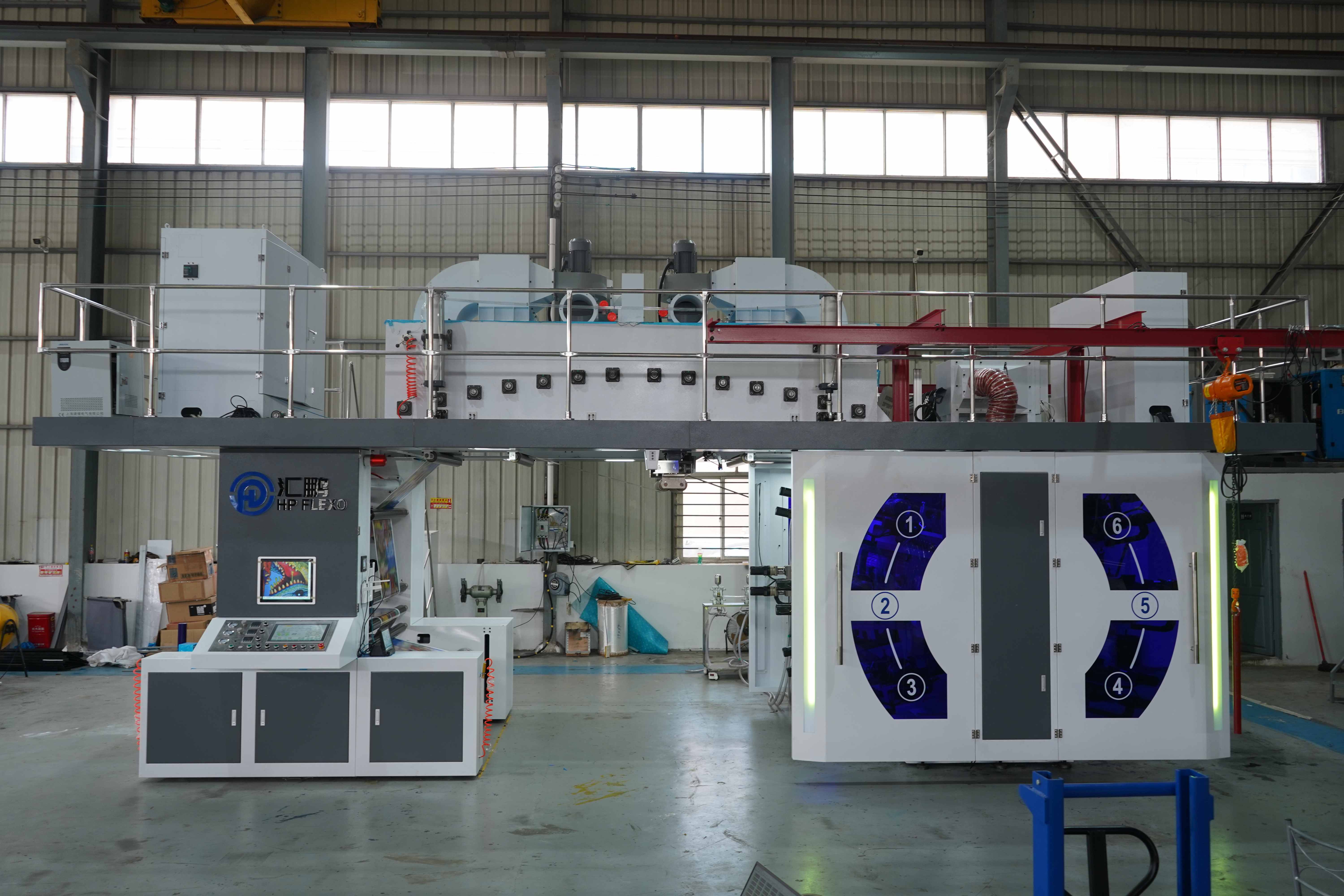
Modular design breaks a product into discrete, self-contained units that communicate through clearly defined interfaces. Instead of treating a device or system as one monolithic block, each module handles a specific function and can be removed, replaced, or improved without disturbing the rest. This approach shows up in everything from laptop RAM slots and camera lens mounts to software plugins and containerized cloud services. The immediate payoff is practical: repairs become faster, upgrades cost less, and users can tailor a setup to their actual needs rather than accepting a one-size-fits-all package.
Future upgrades are where modular thinking really earns its keep. When a new battery chemistry, sensor, or wireless standard arrives, a modular platform only needs a single compatible module to adopt it. That lowers the barrier to adopting better components and stretches the usable life of the core system well beyond what a sealed design allows. To make this work long-term, manufacturers have to commit to stable interfaces, backward compatibility, and thoughtful power and data budgets. It is a different kind of engineering discipline, one that plans for change rather than hoping the current spec will never go obsolete.
Evaluating Print Consistency Across Long Runs
Long runs expose subtle drift that short test sheets never reveal. Ink viscosity shifts as solvents evaporate, blanket compression changes after thousands of impressions, and fuser temperature cycles can alter toner adhesion on digital presses. A job that starts within tolerance can wander into visible color shifts by the halfway point, especially on uncoated stocks that absorb more moisture through the day.
Rather than relying on a single press check, operators should pull sheets at fixed intervals—every 500 or 1,000 impressions depending on run length—and measure solid ink density, dot gain, and gray balance with a spectrophotometer. Tracking these numbers on a simple run chart turns subjective 'it looks a bit red' complaints into objective trend data. When dot gain creeps up by more than 3% or gray balance drifts toward magenta, you know the ink-water balance is slipping before anyone sees it.
Set action limits before the run starts, not after problems appear. A common practical threshold is a Delta E of 2.0 against the approved proof, but tighter jobs may require 1.5 or less. Log ambient temperature and relative humidity alongside each measurement, since a three-degree rise can thin ink enough to affect density. By the end of a long run, the data trail should show whether consistency held steady or where it broke down—and that record is what separates a controlled print operation from one that guesses.
Checking After-Sales Support and Spare Parts Availability
Before committing to any machinery purchase, take a hard look at what happens after the invoice is paid. Reach out to current owners of the same model and ask how quickly the manufacturer responds to technical questions, whether service technicians are dispatched without weeks of delay, and if remote diagnostics actually resolve issues. A glossy warranty means little if the support line routes you to a generic call center with no product knowledge.
Spare parts availability can make or break your uptime. Check whether common wear items—filters, belts, sensors, hydraulic hoses—are stocked in your region or require air freight from another continent. Ask for a written list of recommended spare parts and their typical lead times. Some brands offer local depots or partner distributors; others expect you to tie up capital in your own inventory. The difference shows up in your maintenance budget and production schedule.
Finally, test the after-sales network under a hypothetical emergency. Call the support number on a weekend and see if you reach a live person. Request the service manual and parts diagram before purchase. A company that hesitates to share technical documentation or cannot confirm a local technician's availability is telling you something important about your future relationship.
Comparing Energy Efficiency and Waste Reduction
Energy efficiency and waste reduction are often grouped together in sustainability discussions, but they tackle resource use from different angles. Efficiency focuses on getting more output from the same input—like a furnace that burns less gas to heat a room—while waste reduction aims to eliminate unnecessary consumption altogether, such as turning off lights in empty rooms. Both reduce environmental impact, but efficiency preserves the existing activity, whereas waste reduction questions whether that activity should happen at all.
In practice, the two approaches require different measurement and management strategies. Energy efficiency is typically quantified through ratios: kilowatt-hours per square foot, miles per gallon, or output per unit of energy. Waste reduction, on the other hand, is measured by absolute declines in material throughput or landfill tonnage, often tracked through waste audits or diversion rates. A company might improve energy efficiency by upgrading to LED lighting and simultaneously reduce waste by redesigning packaging to use less cardboard—two distinct initiatives that show up differently on a sustainability scorecard.
There are cases where the two goals can conflict. For example, replacing an old inefficient appliance with a new energy-efficient model prevents energy waste over its lifetime, but the disposal of the old unit and the manufacturing of the new one create immediate material waste. Smart organizations weigh these trade-offs by looking at lifecycle impacts, sometimes choosing to repair and retrofit rather than replace. Ultimately, the strongest environmental gains come when energy efficiency and waste reduction reinforce each other—like a factory that recovers heat from one process to power another, cutting both fuel use and thermal discharge.
Verifying Real-World Performance Through Client References
A polished case study can say almost anything, but a candid conversation with a current client often reveals far more. When we evaluate real-world performance, we look for references who can describe not just the end result, but the friction along the way — how the team handled unexpected data issues, adjusted to internal bottlenecks, or rebuilt a workflow that initially missed the mark. Those details don't show up in a marketing deck, yet they tell you whether the promised speed and reliability hold up when the environment gets messy.
The most useful references tend to be specific about numbers and timelines without being prompted. Instead of broad claims like “improved efficiency,” they mention that report generation dropped from four hours to twenty minutes, or that the migration finished two days ahead of schedule with zero data loss. We also listen for what isn't said — hesitation, vague answers, or an over-reliance on scripted phrases. Direct contact with a client who has run the system under real load, during peak periods, gives a picture that no internal demo or synthetic benchmark can match.
FAQ
Look closely at the central impression drum's concentricity and temperature control, the rigidity of the side frames, and how the plate sleeve locking mechanism handles high-speed vibration. A well-built press keeps deflection under a few microns, while cheaper builds flex enough to throw off registration on long runs.
Ask for unedited video of a real job changeover and a full roll printed on your target substrate, not just a short sample. Request contact information for two current users running similar work, and ask those users about dot gain stability after three hours of continuous production rather than a fresh startup.
The drum is the heart of the press, so its thermal stability, surface hardness, and bearing quality matter more than almost anything else. If the drum expands unevenly due to poor cooling channels or loses its ground finish, every color station shifts slightly, and you end up fighting registration drift or mottled solids after the machine warms up.
Because even the best press will need parts and expertise eventually, and a manufacturer that takes days to diagnose a drive fault or has no local spare parts inventory turns a minor hiccup into a week of downtime. Reliable makers offer remote access diagnostics, clearly documented maintenance intervals, and field technicians who know the machine's software history.
Watch for unusually light frame weight, exposed weld seams that are painted over rather than stress-relieved, and bearings from obscure suppliers that cannot be crossed to standard industrial part numbers. These shortcuts show up as fast-wearing doctor blade holders, cracked ink trays, and gearboxes that need rebuilding after a few thousand hours instead of several years.
A builder that has only run thin films may struggle with board stock or shrink sleeve material, because tension control, drying rates, and ink transfer differ dramatically. Ask directly for documented trials on your substrate class, including tension curves and impression settings, otherwise you inherit the debugging time and wasted material.
Find out the actual airflow velocity at the web surface, not just the heater wattage, and ask how the system maintains consistent temperature during a splice or a brief slowdown. Also clarify whether the dryer design tolerates solvent-based inks without excessive energy use, and how easily you can clean the nozzles and filters without special tools.
Request a non-standard color count, an unusual web width, or an inline station for cold foil and see how the maker responds. If they only quote from a fixed spec sheet and refuse to adjust gear pitch or dryer length, their engineering depth is limited. A capable builder will ask about your job mix, floor space, and operator habits before suggesting a configuration that actually reduces waste.
Conclusion
When choosing a CI flexo press builder, the difference between a machine that holds registration and one that drifts shows up in the details of frame construction, bearing alignment, and how carefully the drum and sleeves are machined. Look beyond glossy brochures and ask about tolerances, material grades, and whether the manufacturer runs long test jobs before shipping. Precision engineering isn't just about initial installation; it affects every roll you run later. A press that's rigid and thermally stable will hold color-to-color registration far better during high-speed jobs, and that directly cuts waste.
Just as important is how the press can grow with your business. Modular stations, extra drying capacity, and automation retrofits matter more than buying the biggest configuration today. In real production, consistency across thousands of feet separates serious suppliers from the rest—ask for trial runs with your own substrates and inks. Then check what happens after the install: does the maker stock critical spares locally, can their engineers dial in remotely, and do their existing customers actually run similar work to yours? Energy consumption per square meter printed, solvent recovery options, and waste film percentages should be part of the comparison, not an afterthought. Visiting a reference site and watching a live job, not just a demo, reveals whether the claimed performance holds up day after day. Reliable manufacturers welcome that scrutiny.
Contact Us
Contact Person: Isaias
Email: [email protected]
Tel/WhatsApp: 86-13868693129
Website: https://www.hpflexo.com/