

China Sand Mining Dealer: What Global Buyers Need to Know
2026-11-02
Buying a sand mining dredger from China isn't just about price per ton—it's about dodging the hidden pitfalls that turn a 'great deal' into a six-month headache. Plenty of dealers can quote you a machine, but far fewer handle customs clearance, river-specific engineering tweaks, or emergency parts delivery without friction. YaKai Dredger has spent years closing that gap, and this guide reflects what we've learned about verifying a supplier before you sign. From factory audits to warranty fine print, here's what actually separates a dependable dealer from a costly gamble.
Not All Chinese Sand Dealers Operate the Same Way
Walk into any construction supply hub in China and you’ll quickly notice that sand dealing isn’t a single trade but a patchwork of overlapping practices. Some dealers focus on river sand dredged locally, while others move manufactured sand from crushed rock, and a third group thrives on imported marine sand brought in through coastal ports. These aren’t just cosmetic differences—each channel carries its own pricing logic, moisture content, and unspoken rules about delivery reliability.
The real split often comes down to how a dealer manages logistics and client relationships. A dealer serving high-rise projects in a major city will usually maintain dedicated truck fleets and real-time inventory tracking, whereas a rural supplier might rely on shared haulers and cash transactions that never touch a formal invoice. Some dealers build long-term ties with a small number of quarries and offer consistent gradation, while others pivot between sources weekly based on spot prices. This variety means a buyer who assumes all dealers operate alike can easily end up with the wrong sand for the job.
River, Sea, or Manufactured Sand: Quality Gaps Matter More Than Price
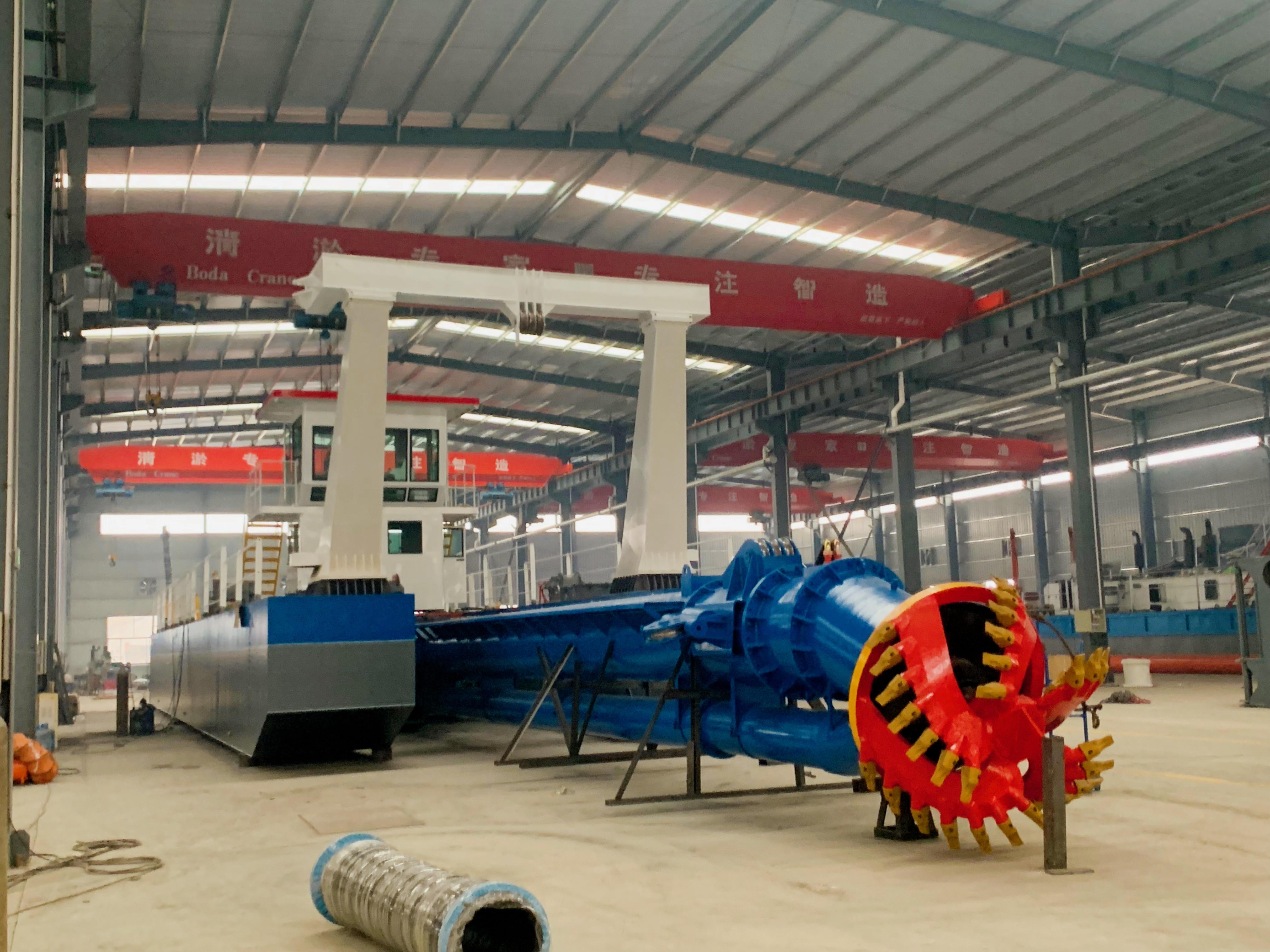
A per-ton price tag rarely reveals what actually drives concrete performance and long-term structure health. River sand, for example, often contains unpredictable silt and clay fractions that soak up water and weaken the paste-aggregate bond. Sea sand looks clean but carries chloride ions that migrate toward steel reinforcement and trigger pitting corrosion well after the project is handed over. Manufactured sand, crushed from hard rock, can be shaped and washed to a far tighter specification, yet poor processing leaves behind excessive flaky particles and dust that make the mix sticky and thirsty.
The real cost shows up in mix adjustments, pumping behavior, and durability tests. An angular manufactured sand with too many fines will demand more water and cement to reach the same slump, blunting any savings from its lower base price. River sand's rounded grains often pump easily but vary from one dredging location to another, forcing batching plants to constantly recalibrate. Sea sand can be used after rigorous washing, but cutting corners on chloride limits has led to spalled bridge piers and corroded columns that cost hundreds of times more to repair than the sand itself.
Before choosing a source, compare methylene blue values for clay content, particle size distribution curves, flakiness index, and chloride ion concentration—not just delivered cost. Specify maximum allowable limits for fines passing the 75-micron sieve and test every incoming barge or truckload. A few dollars saved per ton on raw sand can vanish in added cement, admixtures, rejected batches, or early structural failure. Quality gaps, not price gaps, decide whether a mix wins or loses over the decades.
How Environmental Rules Are Reshaping Supply and Your Order Timeline
Environmental rules have moved from the margins of compliance into the middle of everyday sourcing decisions. Factories that once confirmed an order within a few days now need extra time to pull together updated chemical disclosures, recycled-content certificates, or proof that raw materials didn't come from recently cleared land. A single missing document can stop a production run before it starts, which is why lead times have quietly stretched by one to three weeks for many product categories.
The delay doesn't always happen at the factory gate. Ports, carriers, and customs agencies are enforcing stricter environmental declarations for certain goods, from timber and palm oil to electronics and batteries. If the paperwork doesn't match the new requirements, shipments get flagged for inspection or rerouted, adding unpredictable days to the transit stage. Buyers who treat compliance as a back-office task usually discover the problem only after the goods are already late.
A practical way to protect your order timeline is to treat environmental data as part of the purchase order, not an afterthought. Work with suppliers who can share audit-ready records before production begins, and build a buffer of two to three weeks into your planning rather than relying on historical lead times. Over time, the rules may push supply chains toward more stable, long-term contracts, but right now the safest assumption is that every order will need a little more room to move.
Freight Can Erase Your Margin—Calculate Total Landed Cost Before Negotiating
Importers often focus on the supplier's invoice price and assume that once that number is locked in, the margin is protected. Freight, insurance, port fees, customs brokerage, and local delivery can quietly add 15–25% to the true cost of goods. If you only discover these charges after the shipment arrives, a deal that looked profitable on paper may already be underwater.
Before entering any negotiation, build a total landed cost estimate for the actual product and route. Include packaging, inland trucking, ocean or air freight, fuel surcharges, customs duties, currency conversion, and even the cost of carrying inventory while goods are in transit. This number—not the FOB price—is what you compare against your selling price.
When you know your landed cost per unit, you can negotiate from a position of clarity. You might push back on freight forwarder quotes, switch to a more efficient Incoterm, or target a lower supplier price that leaves room for real profit. Without that calculation, any savings at the factory can disappear before the product reaches your warehouse.
Site Visits and Third-Party Testing Beat Relying on Samples Alone
A sample only shows what a supplier wants you to see. A factory can polish a handful of units for approval while the rest of the batch falls short. Walking the floor tells a different story. You notice whether machines are maintained, if raw materials sit in damp corners, or whether workers follow the same steps every shift. These details rarely appear in a brochure.
Independent testing adds another layer of proof. Instead of trusting the supplier's in-house report, an outside lab checks composition, durability, or safety against agreed specs. This catches problems that look fine on paper but fail under real conditions. Combining an on-site review with lab results gives you a much clearer picture than any pre-shipment sample.
Relying on samples alone leaves too much room for surprise. Site visits and third-party testing may cost more upfront, but they often prevent expensive rejections, delays, or recalls later.
Payment and Contract Terms: Avoiding the Usual Fulfillment Traps
Most fulfillment breakdowns don't start with a warehouse error or a late shipment—they start in the language of the contract. Vague payment milestones, loosely defined acceptance criteria, and missing change-order procedures create friction long before the first invoice is due. When buyers and suppliers rush to sign without clarifying what “complete” actually means, both sides end up arguing over scope, timing, and who owns the risk of a delayed handoff. The trap isn't malicious intent; it's optimistic vagueness.
Smart teams replace that vagueness with trigger-based language. Instead of “50% upfront, 50% on delivery,” they tie payments to observable events: prototype approved, first article passed inspection, container loaded at origin, goods received with signed packing list. Each trigger should have a defined owner, a deadline, and a fallback if the condition isn't met. Contract terms should also spell out what happens when a milestone slips—whether partial payment still applies, whether storage fees accrue, and who pays for rework. Without these clauses, a minor delay becomes a cash-flow crisis for the supplier and an excuse for the buyer to withhold payment.
The most overlooked trap, however, is the silence around post-delivery obligations. Returns, warranty claims, and chargebacks are often left to a handshake or a generic “industry standard” clause that means different things in different regions. Spelling out the exact process—how a claim is filed, what documentation is required, how long the supplier has to respond, and what happens if goods are rejected—removes the emotional weight from later disputes. Avoid tying final payment to “satisfaction” without a measurable test. Instead, define acceptance as: goods conform to signed specifications, all required documents delivered, and no open non-conformance reports older than X days. When those three things are true, payment is automatically due. No surprise holds, no last-minute renegotiation.
FAQ
Ask for a copy of their mining permit and export license, then cross-check the company name against China's Ministry of Natural Resources and local provincial databases. A legitimate dealer will also be able to provide the exact river or quarry location, not just a vague region.
River sand has rounded grains and is preferred for concrete, but supply is heavily restricted. Sea sand must be washed to remove chlorides or it will corrode steel reinforcement. Manufactured sand is crushed from rock and is more consistent, but you need to confirm the particle shape and fines content with a sieve analysis.
Require a recent third-party lab report covering gradation, silt content, clay lumps, chloride ion content, and organic impurities. For concrete use, also ask for alkali-silica reactivity data. Never accept only the supplier's in-house certificate; arrange your own pre-shipment inspection if the order is over a few thousand tons.
Yes. Many provinces ban river sand dredging during flood season, typically from June to September, which can cause sudden price spikes and shipment delays. Some coastal areas also restrict sea sand exports. Check the specific province's mining calendar before you sign a contract.
The main ones are moisture deduction, loading and barge fees, export duties, and demurrage if the vessel is delayed at the port. Some dealers quote a low FOB price but then charge extra for customs clearance documents or for using a specific loading terminal. Always ask for a line-item breakdown of all port and logistics charges.
Use an irrevocable letter of credit for the first shipment, payable against a third-party inspection certificate and a full set of original bills of lading. Avoid large upfront TT payments to personal or offshore accounts. If the dealer insists on 100% advance payment, treat it as a red flag and walk away.
You will typically need the commercial invoice, packing list, bill of lading, certificate of origin, quality inspection report, and in some countries an import permit for aggregates. If the sand is for construction, your local authority may also require a radiation or quarantine certificate depending on the source. Confirm the exact list with your customs broker before the cargo sails.
Conclusion
Global buyers approaching the Chinese sand market often assume that a low per-ton quote translates directly into savings, but that logic rarely survives contact with reality. Not all Chinese sand dealers operate the same way: some are direct mine operators with steady access to river or sea sand, while others are traders whose stock may shift in origin and consistency from one shipment to the next. The distinction matters because river sand, sea sand, and manufactured sand carry different chloride levels, grain shapes, and grading curves—differences that can quietly undermine concrete strength or plaster bonding even when the price looks attractive. Environmental enforcement along the Yangtze and coastal dredging zones has also changed supply patterns, pushing some regions toward manufactured sand and lengthening lead times for natural sand. Buyers who assume last year's delivery schedule still holds are setting themselves up for penalties on their own projects.
Before negotiating a single price, calculate the total landed cost. Freight from a river port in Guangxi to a buyer's site in Southeast Asia or the Middle East can erase the margin that made the quote appealing. Ask the dealer for a detailed breakdown of inland trucking, port handling, ocean freight, insurance, and import duties—not just FOB or CIF shorthand. Then verify what you are actually buying. Samples alone can be cherry-picked; a site visit or a third-party testing agency inspecting the stockpile before loading is far more reliable. Finally, payment and contract terms deserve as much attention as the sand itself. Vague specifications, open-ended delivery windows, and loosely defined force majeure clauses are common fulfillment traps. Spell out moisture limits, chloride thresholds, and rejection rights, and tie payment milestones to independently verified loading data rather than promises.
Contact Us
Contact Person: Nancy
Email: [email protected]
Tel/WhatsApp: (+86) 13869631558
Website: https://www.yakaidredger.com/