

China Furniture Casters Manufacturer: Essential Tips for Top-Quality Rolling Solutions
2026-01-28
In the complex world of furniture design and functionality, the humble caster plays a surprisingly pivotal role. As a manufacturer dedicated to superior rolling solutions, CMCL has witnessed firsthand how the right casters can transform furniture from static to dynamic, enhancing both usability and aesthetics. This article delves into essential tips for selecting top-quality casters, drawn from our expertise at CMCL. We'll explore key factors that set premium casters apart, from material durability to load capacity, ensuring your furniture moves seamlessly. Whether you're a designer, manufacturer, or simply curious about quality furniture components, this guide offers insights to elevate your projects. Join us as we roll into the details behind reliable and innovative caster solutions.
Selecting the Right Materials for Durable Furniture Casters
When it comes to choosing materials for furniture casters, durability is a key factor that can make or break their performance over time. You might think that all casters are created equal, but the truth is, materials like polyurethane, rubber, and nylon offer distinct advantages depending on the environment. For instance, polyurethane casters are often praised for their ability to handle heavy loads and resist abrasion, making them ideal for industrial settings or high-traffic areas where wear and tear is a constant concern. Meanwhile, rubber casters provide excellent grip and shock absorption, which can be perfect for protecting delicate floors from scratches or reducing noise in quiet spaces. It's not just about picking the strongest material; it's about matching the caster's composition to the specific demands of your furniture and usage patterns to ensure long-lasting functionality.
Another aspect to consider is how different materials react under various conditions, such as exposure to moisture, chemicals, or extreme temperatures. Nylon casters, for example, are known for their resistance to oils and solvents, making them a go-to choice for workshops or laboratories where spills are common. On the other hand, if you're dealing with outdoor furniture or items that might encounter wet surfaces, opting for stainless steel or plastic casters with corrosion-resistant properties can prevent rust and degradation over the years. By thinking beyond just the weight capacity and diving into these environmental factors, you can select materials that not only enhance durability but also adapt seamlessly to your specific needs, ensuring your casters stay reliable in the long run.
Ultimately, the right material choice can transform how well your furniture moves and lasts, so it's worth taking the time to evaluate options carefully. Look for casters that balance toughness with flexibility—like those made from thermoplastic elastomers, which combine the best of rubber and plastic for a versatile, wear-resistant solution. Whether you're upgrading office chairs, hospital beds, or home furnishings, prioritizing materials that align with both the load requirements and everyday use scenarios will help you avoid premature replacements and maintain smooth, silent movement. In the end, a thoughtful selection process pays off with furniture that glides effortlessly and stands the test of time.
Key Features to Look for in High-Performance Casters
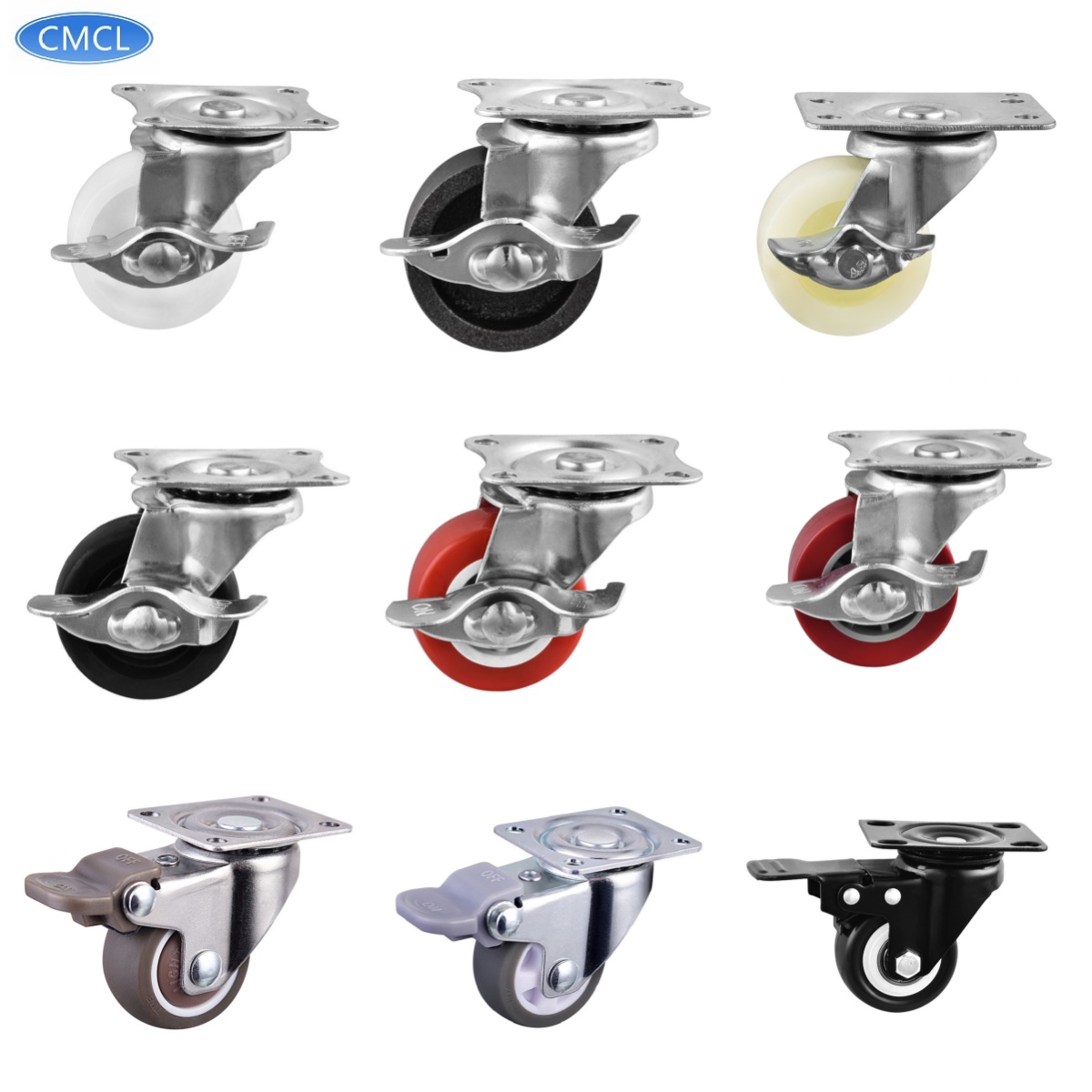
When you're in the market for high-performance casters, it's crucial to focus on durability and load capacity. These aren't your average wheels for light-duty use; they're built to handle heavy loads in demanding environments like warehouses, hospitals, or industrial settings. Look for casters made from tough materials like polyurethane or forged steel, which resist wear and tear from constant movement and impacts. A high load rating, often specified in pounds or kilograms, ensures safety and longevity, preventing premature failure that could lead to downtime or accidents.
Maneuverability and swivel functionality are key aspects that set high-performance casters apart. Smooth-rolling designs with precision bearings reduce effort when pushing or pulling equipment, enhancing operator efficiency. Features like 360-degree swivel and lock mechanisms allow for easy navigation in tight spaces and secure positioning when needed. For specialized applications, consider casters with shock absorption or non-marking treads to protect floors and minimize noise, making them ideal for sensitive areas like labs or offices.
Environmental resistance and maintenance requirements round out the essential features. High-performance casters should withstand harsh conditions, such as exposure to chemicals, extreme temperatures, or moisture, without corroding or degrading. Opt for models with sealed components that keep dirt and debris out, reducing the need for frequent cleaning or repairs. By prioritizing these attributes, you can select casters that not only meet your immediate needs but also deliver reliable performance over the long haul, saving time and resources.
Customization Options for Specific Furniture Applications
Tailoring furniture to specific uses can transform ordinary spaces into functional and stylish environments. For example, in a home office, custom desks with built-in cable management and adjustable heights cater to ergonomic needs, while modular shelving allows for flexible storage of books and tech gear. In kitchens, personalized islands might include integrated wine racks or pull-out cutting boards, blending practicality with aesthetic appeal. These targeted solutions ensure furniture not only fits a room's dimensions but also enhances daily routines, making every piece a perfect fit for its intended purpose.
Beyond residential settings, customization options extend to commercial applications like restaurants and cafes, where furniture must withstand heavy use and reflect brand identity. In such cases, durable materials like reclaimed wood or metal can be selected for tables and chairs, with custom finishes to match interior themes. For instance, a boutique hotel might opt for bespoke headboards or storage units that incorporate local art or cultural motifs, setting it apart from standardized chain hotels. This attention to detail helps create a unique atmosphere that resonates with guests and boosts customer satisfaction.
In specialized areas like healthcare or educational facilities, customization focuses on safety, accessibility, and comfort. Hospital furniture may be designed with antimicrobial surfaces and easy-to-clean fabrics, while adjustable beds and chairs in classrooms support diverse learning styles. By collaborating with designers and manufacturers, clients can specify features like hidden storage or foldable elements to maximize space efficiency. Ultimately, these tailored options empower users to create environments that are not only beautiful but also highly functional and responsive to specific needs.
Ensuring Safety and Stability in Caster Design
When designing casters, prioritizing safety and stability isn't just a checklist item—it's foundational. Imagine a caster failing under load in a busy warehouse: the risks range from product damage to serious injury. That's why engineers focus on rigorous testing, such as dynamic load ratings and swivel fatigue tests, to ensure each caster can handle real-world stress without compromise. Materials matter too; opting for high-grade steel or reinforced polymers over cheaper alternatives can prevent premature wear and sudden failures. By embedding safety from the initial sketches, designers create products that users trust implicitly, whether in industrial settings or everyday office furniture.
Stability in caster design goes beyond static balance—it's about predictable performance across varied terrains. Consider how a caster with a wide wheelbase and low center of gravity minimizes tipping on uneven floors, enhancing maneuverability without sacrificing control. Innovations like precision ball bearings and advanced swivel mechanisms reduce wobble and improve directional accuracy, crucial for applications like hospital beds or heavy machinery. This attention to detail ensures that casters roll smoothly and respond reliably, even in high-stakes environments where a minor instability could lead to operational delays or accidents.
To truly excel, modern caster designs integrate user feedback and scenario-based simulations. For instance, incorporating ergonomic handles or intuitive locking systems can prevent misuse and boost safety in dynamic workplaces. By staying ahead with adaptable designs—like casters that adjust to different flooring types—manufacturers can offer tailored solutions that outperform one-size-fits-all models. Ultimately, a commitment to continuous improvement in safety and stability not only meets regulatory standards but also builds brand reputation through durable, dependable products that stand the test of time.
Best Practices for Maintenance and Longevity
Proper maintenance is the cornerstone of sustained performance and durability in any system or product. By implementing a proactive approach, you can catch minor issues before they escalate into major problems, saving both time and resources in the long run. This involves setting clear schedules for inspections, prioritizing tasks based on risk assessments, and ensuring that all team members are trained to identify early signs of wear and tear. Embracing this mindset not only enhances reliability but also extends the overall lifespan of your assets.
To truly optimize longevity, consider the integration of advanced monitoring tools that offer predictive insights rather than reactive fixes. Technologies such as IoT sensors and data analytics enable real-time tracking of performance metrics, allowing for adjustments that preempt failures. This shift from traditional maintenance methods to smarter, data-driven strategies can lead to significant improvements in efficiency and cost-effectiveness, making your operations more resilient in the face of unexpected challenges.
Finally, fostering a culture that values meticulous care and continuous improvement is key to achieving lasting results. Encourage feedback loops from users and maintenance staff to refine practices over time, and stay updated on industry innovations that may offer better solutions. By combining robust processes with a commitment to adaptation, you’ll create a sustainable framework that not only preserves your investments but also enhances their value through years of reliable service.
Innovative Trends in Modern Caster Manufacturing
In today's fast-paced industrial landscape, caster manufacturing is witnessing a remarkable shift towards smarter, more robust designs. Companies are increasingly focusing on developing casters that not only offer enhanced durability under heavy loads but also integrate predictive maintenance features. For instance, the use of embedded sensors allows these components to monitor wear and tear in real-time, alerting maintenance teams before failures occur. This proactive approach reduces downtime and extends the operational lifespan of equipment, making it a game-changer for industries like logistics and warehousing where efficiency is paramount. The move towards such intelligent systems reflects a broader trend of merging traditional hardware with cutting-edge technology.
Another key innovation is the adoption of advanced materials that go beyond standard steel or plastic composites. Manufacturers are experimenting with high-performance polymers and carbon fiber reinforcements to create casters that are lighter yet stronger than ever before. These materials contribute to improved energy efficiency by reducing the rolling resistance of casters, which in turn lowers the power requirements for moving loads. Additionally, such advancements cater to specialized environments, such as cleanrooms or corrosive settings, where specific material properties are crucial. By tailoring designs to meet diverse operational needs, companies are pushing the boundaries of what casters can achieve in terms of performance and versatility.
Sustainability has also emerged as a driving force in caster production, with a growing emphasis on eco-friendly practices and recyclable components. Firms are redesigning products to minimize waste during manufacturing and end-of-life disposal, often using materials that can be easily reclaimed or repurposed. This not only aligns with global environmental regulations but also appeals to businesses aiming to reduce their carbon footprint. Moreover, innovations like modular designs enable easy replacement of worn parts without discarding the entire caster, fostering a circular economy model. As industries become more conscious of their impact, these sustainable trends are reshaping how casters are developed and utilized, ensuring they contribute positively to both operational efficiency and ecological goals.
FAQ
Look for durable materials like polyurethane or rubber, load capacity ratings matching your furniture, smooth swivel and wheel mechanisms, and adherence to safety standards like BIFMA. A manufacturer offering customizations, such as wheel size or color, can also be a plus for matching specific design needs.
They use reinforced materials, such as steel ball bearings in swivels and wear-resistant wheels, and conduct rigorous stress tests, like rolling cycles under heavy loads. Quality control checks during assembly, including lubrication and alignment, help prevent premature wear and squeaking.
Yes, many offer tailored solutions, such as static-dissipative casters for electronics, anti-microbial coatings for healthcare settings, or heavy-duty models with locking mechanisms for industrial use. It's best to discuss specific requirements directly to ensure compliance and functionality.
Common choices include polyurethane (for quiet, floor-friendly rolling), rubber (for grip and shock absorption), and nylon (for lightweight durability). Manufacturers select these based on factors like noise reduction, floor protection, and load-bearing needs to enhance furniture performance.
Moisture can cause rust in metal parts, while extreme temperatures may warp plastic components. Manufacturers mitigate this by using corrosion-resistant coatings, stainless steel hardware, and materials rated for wide temperature ranges, ensuring durability in varied conditions like warehouses or humid climates.
Check for certifications like ISO 9001 for quality management, BIFMA for furniture standards, or REACH for material safety. Reliable manufacturers often provide sample testing, warranty periods, and transparent material sourcing documentation to build trust with international clients.
Conclusion
For China furniture casters manufacturers aiming to deliver top-quality rolling solutions, selecting the right materials is crucial for durability. High-performance casters require features such as robust load capacity, smooth swiveling mechanisms, and noise reduction. Customization options allow for tailored designs to meet specific furniture applications, ensuring both functionality and aesthetic appeal. By integrating these elements, manufacturers can create casters that excel in performance and longevity, addressing diverse market needs effectively.
Safety and stability in caster design are paramount, involving secure locking systems and balanced weight distribution. Adopting best practices for maintenance, like regular cleaning and lubrication, extends product life. Innovative trends, including eco-friendly materials and smart technology integration, drive modern manufacturing forward. Embracing these aspects helps China manufacturers stand out with reliable, advanced rolling solutions that combine practicality with cutting-edge innovation.
Contact Us
Contact Person: Ruby
Email: [email protected]
Tel/WhatsApp: +86 13360379367
Website: https://www.cmcl-casters.com