

Calcium Chloride 77% Pellets Exporter Standards Every Industrial Buyer Should Know
2026-11-19
Calcium chloride 77% pellets might look like a straightforward commodity, but the gap between a dependable shipment and a costly quality dispute often comes down to exporter standards most buyers never ask about. From moisture tolerance and packing integrity to traceability and consistent particle sizing, the details matter before a container ever leaves the port. This guide breaks down the benchmarks worth checking—and why suppliers such as Shouguang Golden Chemical are increasingly evaluated against them.
Reading a 77% Purity Claim Without Getting Misled
A percentage on a label often hides more than it reveals. When a product carries a 77% purity claim, the real question is what that number refers to: the whole sample, the dried material, or a single batch that happened to test well. Seventy-seven percent can also mean nearly a quarter of the contents is something else, and that leftover fraction might include water, residual solvents, unreacted starting material, or structurally similar compounds the seller would rather not list.
The method behind the number changes its meaning just as much as the number itself. HPLC, GC, and less demanding assays can produce very different purity readings from the same material. Some labs report area percent instead of weight percent, others exclude small peaks, and some only integrate the peaks they expect to see. If a seller cannot show a full certificate or explain how the figure was obtained, the claim is doing more to persuade than to inform. It is also worth asking whether the 77% represents one favorable test or an average across many production batches.
Context decides whether 77% is acceptable or concerning, and that context comes from the identity and amount of the remaining 23%. A full breakdown of impurities, their concentrations, and the independence of the testing lab matters more than the headline number. Instead of accepting the percentage at face value, look for the data behind it: raw chromatograms, batch records, and a lab name you can actually verify.
Pellet Size Distribution and the Real Cost of Fines
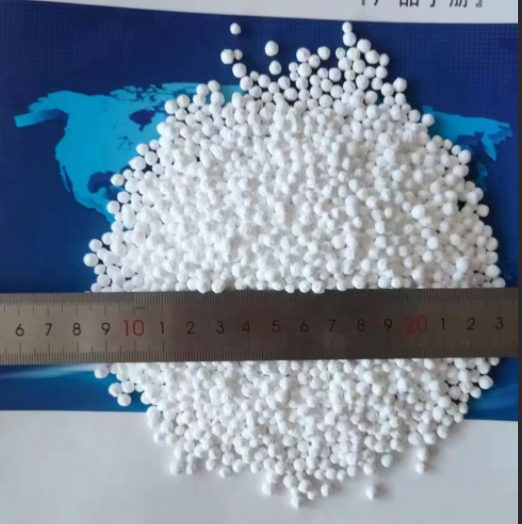
Pellet size distribution rarely gets the attention it deserves until fines start showing up where they shouldn't. A widening spread between coarse and fine fractions changes how the bed breathes under load. Gas finds the path of least resistance, so uneven sizing creates channels that bypass large sections of the charge. The result is not just slower reduction or combustion, but a subtle drop in throughput that managers often write off as normal variation.
The real cost of fines is rarely captured by the weight of material swept off the belt. Fines recirculate, absorb moisture, clog chutes, and accelerate wear on screens and transfer points. Every percentage point increase in minus-5-millimeter material adds handling time and energy that never appears on a standard variance report. Some plants spend more reconditioning degraded pellets than they would on upstream screening improvements.
Narrowing the size distribution pays back faster than many expect. Small adjustments at the disc or drum, tighter moisture control, and better screening panels can reduce fines generation before the product reaches stockyard. Tracking the percentage of out-of-spec material by shift, rather than by monthly average, makes the problem visible enough to manage. Fines are not just a quality nuisance; they are a direct tax on every ton that actually reaches the customer.
Packaging Choices That Survive Tropical Port Storage
Tropical port storage punishes packaging in ways a standard warehouse test never will. Containers and pallets sit exposed to hard sun, then cool at night, pulling moisture into cardboard and labels. Add salt-laden air near the docks and the occasional downpour that floods low-lying yards, and a box that survives a domestic route can arrive soft, stained, or collapsing. The practical fix is to build the package around moisture control first: a foil or high-barrier liner inside the carton, desiccant packs sized for the longest possible wait, and closure tape that does not peel in high humidity.
Material selection changes quickly under those conditions. Standard corrugated board loses much of its stacking strength once it absorbs moisture, so coated or laminated board often beats a thicker uncoated carton. For goods that corrode, vapor-phase inhibitor film or paper is worth the extra cost because it protects metal surfaces even when condensation forms. Pallets deserve equal attention: treated timber is workable, but plastic or metal pallets are safer when cargo may sit through heavy rains, and open decking helps water drain instead of pooling under the load.
The smaller choices also matter. Stretch film with UV stabilization survives longer in direct sun, but it should be wrapped to leave bottom airflow so trapped humidity can escape. Paper labels turn to pulp unless they are laminated or printed on synthetic stock, and staples or nails should be stainless or otherwise resistant to salt spray. None of these measures is exotic by itself, but together they give a shipment a real chance of arriving intact rather than just surviving on paper.
Documentation Gaps That Stall Bulk Shipments
A single mismatch between the certificate of origin and the bill of lading can hold a vessel at berth long after loading has finished. Ports do not wait for paperwork to catch up, and once customs flags a six-digit HS code discrepancy or a weight that disagrees with the draft survey, the cargo sits. Storage fees, demurrage, and terminal charges start compounding while the ship that was supposed to carry the shipment leaves on schedule without it.
The problem gets worse when multiple suppliers feed one bulk consignment. If one mill or warehouse is late with a mill test certificate, safety data sheet, or export declaration, the entire file stays incomplete. Forwarders can consolidate the physical cargo without issue, but the documents move as a bundle, and a missing signature or an outdated packing list from one party stalls clearance for everyone. Team members often discover these gaps only when the customs broker asks for a corrected document at the last minute.
Fixing the issue usually depends on checking document data against actual load figures before the hatch covers close. Comparing container or hold weights, buyer and seller names, incoterms, and commodity descriptions across the invoice, packing list, and transport document catches most slowdowns early. The teams that treat documentation as part of the loading sequence, not as an afterthought, are the ones that avoid watching a loaded barge float idle while email threads try to pin down who was supposed to sign the certificate.
Third-Party Testing Before You Commit to a Container Load
A factory sample can look flawless in a meeting room and still fall apart after two weeks of real use. Before you wire a deposit for an entire container, send a few production-line pieces to an independent lab that has no relationship with the supplier. Ask for more than a generic materials report—test the exact item you plan to sell, including stitching, coatings, load capacity, colorfastness, or anything that would trigger a customer return.
Third-party testing does not replace your own inspection, but it gives you a baseline when the supplier's documentation feels too clean. Labs can verify whether the product actually meets the safety or performance standards the factory claims, and whether those certificates are tied to the current batch rather than an old sample. If the numbers come back weak, that is the cheapest bad news you will ever receive.
Make the report part of your purchase terms, not an afterthought. A clear requirement—pass the agreed tests before balance payment or shipment—changes how seriously the factory treats quality. It also gives you leverage if a future container arrives with materials or workmanship that do not match the tested batch.
Negotiating Moisture Tolerance with Exporters
Moisture disputes tend to surface after the cargo has already changed hands, so the negotiation is really about setting practical limits before loading rather than trusting a spec sheet. Exporters often quote a standard percentage, but the useful conversation begins when you ask how a half-point overshoot at the discharge port would be handled.
Some suppliers will accept a wider band if the order size or payment terms justify the extra handling. Others keep the stated range narrow but quietly build in a discount schedule tied to each decimal point above the limit. Pressing for an overly tight cap can encourage over-drying or uneven blending just to pass the certificate, which creates different quality problems later.
A workable agreement usually sets two thresholds: a preferred limit for normal pricing and a higher rejection point that triggers renegotiation or return. The tolerance should be linked to an independent inspection at both loading and discharge, with clear rules for sealing, shipping, and testing the samples. That shifts the discussion from chasing one perfect number to agreeing on a procedure both sides can live with.
FAQ
The figure normally refers to calcium chloride content by weight, expressed as CaCl2. It leaves room for moisture, residual sodium chloride, magnesium compounds, and a small amount of insoluble matter. Buyers should ask for a batch-level certificate of analysis rather than accepting a printed data sheet, because the number alone does not reveal how the pellets behave in storage or feeding equipment.
Request a sieve analysis and, if possible, crush strength or attrition data from the exporter. For most deicing and dust control uses, a narrow particle range around 4 to 8 mesh reduces bridging and uneven spreading. Harder pellets produce fewer fines during unloading, which matters when you are moving bulk material multiple times.
Sodium chloride, magnesium chloride, calcium hydroxide, and insoluble matter deserve attention. Magnesium can affect performance in some chemical processes, while excess fines create dust and handling losses. A transparent certificate of analysis with actual results from the shipped batch is far more useful than a generic specification sheet.
Moisture-resistant bags with an inner polyethylene liner are standard, usually in 25 kg or 50 kg sizes. Bulk bags around 1,000 kg work for larger consumers. Pallets should be wrapped tightly, containers should be dry and clean, and loading should be avoided during rain or high humidity. Once moisture gets in, the pellets can fuse into a hard mass.
Commercial invoice, packing list, bill of lading, certificate of origin, certificate of analysis, and safety data sheet are the basics. Depending on destination, you may also need a weight and quality certificate from an independent inspector or evidence of compliance with local chemical inventory rules. If the seller is reluctant to provide these, treat that as a warning sign.
Ask for samples from at least two or three production batches, not a single prepared sample. Check whether the supplier owns or controls its raw material source, whether quality control testing is done on every batch, and whether third-party inspections are routine. Consistency in moisture content and particle distribution is often a better indicator than a single impressive lab report.
Calcium chloride is hygroscopic and releases heat when mixed with water. Store it in a covered, dry area, reseal partially used bags, and keep it away from strong acids and reactive metals. Handlers should wear gloves and eye protection, and should clean up spills quickly because wet pellets leave a slippery residue.
In many cases, yes. The discount may come from higher moisture, more broken pellets and dust, lower actual calcium chloride content, or lighter packaging that fails during transit. Some suppliers blend in lower-grade material to reduce cost. Compare total landed cost, including potential handling losses and demurrage, rather than the price on the invoice alone.
Conclusion
Most buyers learn the hard way that a “77%” label on calcium chloride pellets is not a full guarantee of what lands at their port. Suppliers sometimes report purity using a method that ignores free moisture or insoluble matter, so the actual CaCl2 content can be lower. Push for a COA that states CaCl2 content directly, not just generic purity, and confirm which testing standard was used. Pellet sizing matters just as much. A cheap load with wide size distribution can carry 5–9% fines that settle to the bottom, clog augers, create dust, and leave you paying freight for unusable powder. Ask for a sieve analysis and a written limit on undersized material before comparing quotes. Packaging should be treated as part of the specification, not an afterthought. For tropical port storage, 25 kg HDPE bags with an inner LDPE liner and block-stacked, shrink-wrapped pallets hold up better than thin or loosely filled bags.
Paperwork is where many bulk shipments stall. Exporters sometimes provide certificates with mismatched batch numbers, vague product descriptions, or missing customs documentation, which causes demurrage and port storage fees. Request a complete document package before shipping, and verify that packing lists match the actual unit counts and batch markings. Third-party inspection adds cost, but it is cheaper than a dispute. Have a laboratory like SGS, Intertek, or Bureau Veritas sample from the production lot or at the loading point, then compare their numbers with the exporter’s COA. Moisture tolerance should be negotiated as a firm numerical clause, not a verbal promise. Around 0.8–1.5% is common for pellets, but tropical transit can push that higher. Set a rejection or price-adjustment threshold so the exporter shares the risk instead of leaving you to absorb caked or degraded product.
Contact Us
Contact Person: Tom Cui
Email: [email protected]
Tel/WhatsApp: +8618663670626
Website: https://www.jinjigoldenchem.com