Best Shoe Laces: How to Choose the Right Pair for Your Sneakers
2026-10-21
Ever laced up your sneakers only to feel like something’s missing? It’s not the shoes—it’s the laces. The right pair can turn a good sneaker into a great one, and the wrong ones can ruin your whole stride. With so many options out there, finding the perfect match isn’t always obvious. That’s where DONGCHUANG comes in, offering laces that balance durability, comfort, and style. So before you tie another knot, here’s what you need to know about choosing the best shoe laces for your sneakers.
What Most People Get Wrong About Shoelace Material
Plenty of people still assume a shoelace is just a shoelace—cotton if you're lucky, polyester if you're not. That glosses over why most decent laces haven't been plain cotton in decades. Cotton stretches when it gets wet, holds moisture against the eyelets, and frays at the first sign of friction. The nylon, polyester, and blended fibers that replaced it aren't simply cheaper substitutes; they keep their shape under tension and shrug off the daily grind far longer.
Another stubborn myth is that a thicker lace automatically means a tougher lace. Bulk doesn't equal strength. A tightly braided synthetic lace with a dense core can outlast a thick slab of loosely twisted cotton or low-grade nylon. What matters is how the fibers are spun, braided, and finished—not the diameter. Waxed cotton laces are a perfect example: they're often thin, yet the wax coating and tight weave make them surprisingly resistant to snapping and untying.
Then there's the leather lace, usually dismissed as fragile dress-shoe decoration. In reality, good leather laces are among the most durable you can buy, provided you treat them like leather—occasional conditioning, not soaking them in water. They don't stretch out the way synthetic fibers can, and they develop a grip in the knot that keeps shoes secure. The real mistake isn't choosing the wrong material; it's assuming one material behaves like all the others.
The Right Length for Your Laces Isn't What the Package Says
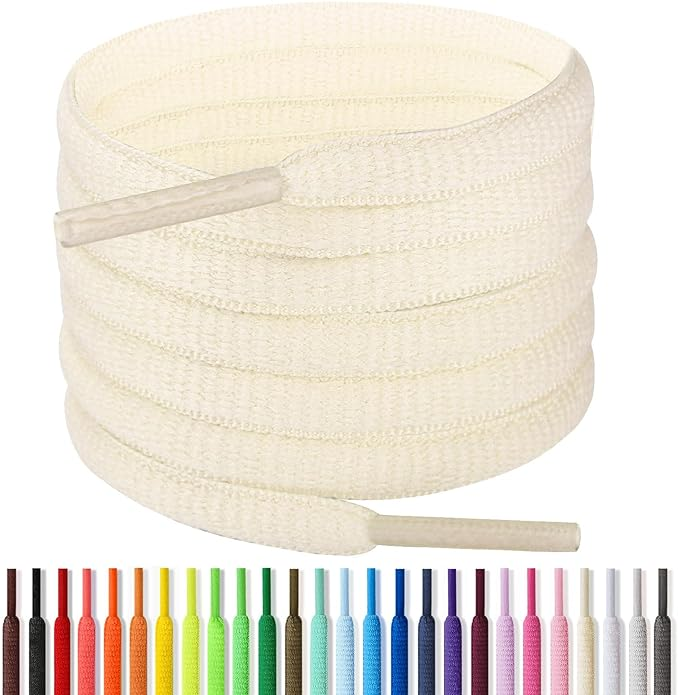
Most lace packages print a size chart that assumes a basic criss-cross pattern and a generic shoe silhouette. But a size 9 boot with eight eyelets and a size 9 sneaker with five eyelets have almost nothing in common when it comes to lace length. Pull the old laces out, measure them, and use that as your baseline rather than trusting the box.
If the original laces were already too short or too long, count the eyelet pairs and adjust. Switch from straight bar lacing to a runner's loop and you can easily add or subtract several inches. The goal is enough lace to tie a secure knot without dragging on the ground or forcing you to skip the top eyelets. When in doubt, buy a size up and trim to fit.
Flat, Round, or Oval Shapes Change How Your Sneakers Feel
The shape of a sneaker's toe box is not just a design choice—it dictates where pressure lands on your foot. A flat, squared-off shape tends to give the toes more vertical room, which can feel liberating if you have long nails or a wider forefoot, but it may also let your foot slide forward on steep descents. Round toe boxes usually mirror the natural curve of the foot, letting the toes spread slightly with each step, which often translates to a softer, less restrictive ride.
Oval shapes, by contrast, taper more aggressively toward the big toe or middle toes. This can create a snug, performance-oriented feel for runners who want minimal movement inside the shoe, but the same taper becomes uncomfortable if your foot is square or if you have bunions. Pay attention to where the material breaks: a knit upper over an oval last will stretch a little, whereas a stiff leather or synthetic overlay won't give, turning that shape into a hotspot after a few miles.
When you try on sneakers, walk on different surfaces, not just carpet. A round shape might feel great standing still but start to rub against the heel as your arch collapses. A flat toe box could feel roomy at first but cause your little toe to hammer against the side wall during sharp turns. The right shape is the one that keeps your foot from fighting the shoe through the whole gait cycle.
Why Matching Lace Color to Your Sneakers Is Trickier Than It Looks
At first glance, matching lace color to your sneakers sounds like the simplest task in your rotation—just grab the pair that came in the box, right? But the moment you swap them for a supposedly identical shade, the gap between “close enough” and actual match becomes painfully obvious. Off-white laces on a cream midsole can read as dirty rather than tonal, while a pure white lace on an eggshell upper pulls too cool and flattens the whole silhouette. Even when two colors share a name, variations in dye lots, fabric sheen, and how the lace sits against mesh versus leather can shift the eye just enough to throw the entire shoe off balance.
The real challenge comes from the way lighting and wear patterns interact with lace texture. A satin-finished lace will pick up highlights that a matte canvas upper never shows, making an exact color match look brighter or more reflective in daylight. Conversely, a flat cotton lace can absorb shadow and appear darker against a shoe with even a slight sheen. Then there’s the accumulation of dust, denim rub, or just general aging on the toe box—areas that naturally dull over time. A brand-new lace, even in the correct original color, can sit on a broken-in sneaker like an obvious replacement part rather than a seamless detail. That mismatch is subtle, but once noticed, it becomes hard to unsee.
A smarter approach ignores the idea of a perfect match altogether. Instead of hunting for a lace that disappears, look for one that deliberately complements a secondary accent on the sneaker—maybe the stitch line on the heel tab, the inner lining, or a faint logo detail. This shifts the goal from impossible duplication to intentional contrast, which reads as more considered and less like a failed attempt at uniformity. It also gives you room to play with texture and pattern without feeling like you've betrayed the original design. Because in practice, the most “matching” lace is rarely the one that’s technically identical—it’s the one that makes the whole shoe look finished, not fighting against itself.
Make Your Laces Last by Avoiding This Common Washing Mistake
Tossing your sneakers straight into the washer with the laces still threaded is the quickest way to ruin them. The agitation yanks the lace tips through the eyelets, which frays the fibers and cracks the plastic ends. Within a few cycles, the laces look fuzzy and won't hold a tight knot.
Take the extra thirty seconds to pull the laces out before the wash. Soak them in warm, soapy water and rub any stained spots between your fingers. Rinse well, then let them air dry flat. If they're white and need a boost, a paste of baking soda and water does more than bleach without weakening the threads.
If you're set on washing laces with the shoes, put each shoe and its laces inside a separate mesh laundry bag. Tie the bag shut and use a cold, gentle cycle with mild detergent. Never throw loose laces in with towels or jeans, because that's how they get wrapped around the agitator and stretched out of shape.
Elastic, Waxed, or Leather Laces Might Be Your Best Upgrade
Most people never think twice about the thin strips of material keeping their shoes on. That's a shame, because swapping out the stock laces for something with a bit more character can shift the entire feel of a pair. Elastic laces, for example, turn any lace-up into a slip-on—no more fumbling with knots when you're rushing out the door. They hug the foot evenly, which also helps if you deal with pressure points from traditional tightening.
Waxed laces are the quiet overachievers. The coating gives them a slightly tacky surface, so the knot stays locked without needing a triple loop. They also shed water and grime better than their cotton cousins, which means fewer grimy-looking fibers after a few months of wear. If you wear boots or hiking shoes, this one change can make morning lacing feel less like a battle.
Then there's leather—the choice for anyone who treats footwear as an extension of their wardrobe. Leather laces don't just look sharper; they develop a patina over time, same as a good belt or watch strap. They're not the best pick for high-friction sports, but for casual sneakers or dress boots, nothing else comes close to that broken-in elegance.
FAQ
Focus on the lace's width and texture first. Thin, smooth laces tend to slip undone more often, while slightly thicker ones with a bit of grip hold a knot better. Also check the tips—cheap plastic aglets crack quickly, so look for metal or tightly wrapped ones if you plan to relace often.
Count the eyelet pairs on one shoe. Five to six pairs usually need 45 to 54 inch laces, seven to eight pairs need 54 to 63 inches. If you like a looser fit or want to wrap laces around the ankle, go up a size. Always measure your old laces if they felt right.
Flat laces spread pressure more evenly, so they're my go-to for runs over five miles. Round laces can dig in if you cinch them tight, but they slide through eyelets faster for quick changes. If you deal with hotspots on top of your foot, switch to flat and you'll notice the difference.
Waxed cotton or polyester blends handle abrasion from griptape better than standard cotton. Look for a tight weave; loose weaves fray within weeks. Some skaters prefer leather laces for durability, but they can be stiff at first and need breaking in.
Try a tonal shade that's one step lighter or darker than the shoe's main color—it adds depth without shouting. Or pick a color from a small accent on the shoe, like the heel tab or logo. Avoid exact matching for white sneakers; off-white or cream laces look more intentional and less clinical.
They stay tied longer and resist water and dirt, which is great if you walk in wet weather. The trade-off is they feel stiffer and can slip if your shoes don't have enough eyelet friction. For most people, a light wax is enough—heavy wax builds up and looks shiny in a cheap way.
Soak them in warm water with a bit of dish soap and baking soda for 20 minutes, then scrub gently with an old toothbrush. Rinse well and air dry—never put them in the dryer, or the aglets will crack. For quick touch-ups, a magic eraser works surprisingly well on the lace surface.
Conclusion
Most people grab any cotton lace without thinking, but material dictates how long your shoes stay tied. Nylon and polyester hold knots better than soft cotton, which slips and frays fast. Length is another trap: the number on the package rarely fits your exact sneaker because eyelet count and lacing style change the needed inches. Instead of trusting the label, measure your old laces or count eyelets and add extra for a secure double knot. Shape matters just as much—flat laces stay put on running shoes, round laces look sharper on dressier sneakers but come undone more easily, and oval laces split the difference with a balance of grip and style.
Matching color is trickier than matching the sneaker’s base tone; you need to consider the midsole, stitching, and even the tongue. A near-match often looks worse than a deliberate contrast, so pick a shade that picks up an accent or go with crisp white for a clean reset. Once you find the right pair, don’t ruin them in the machine. Tossing laces in with jeans and zippers causes fraying and tangling—wash them in a mesh bag or soak in warm soapy water and air dry. If you want a real upgrade, skip basic cotton entirely: waxed laces repel water and stay tied, elastic laces turn any sneaker into a slip-on, and leather laces add a rugged premium feel that only improves with wear.
Contact Us
Contact Person: Bill Huang
Email: [email protected]
Tel/WhatsApp: 8613829102720
Website: https://www.dclanyard.com