

Best Ground Mount Solar System Supplier: Your Guide to Reliable Energy Solutions
2026-06-16
Solar energy is no longer just a trend—it's a smart, long-term investment. But here's the thing: not all installations work for every property. If your roof isn't ideal, a ground mount system could be the perfect fix, giving you the freedom to place panels exactly where they'll perform best. The challenge? Finding a supplier you can actually trust. That's where Topfencesolar comes in. In this guide, we'll walk you through what to look for in a ground mount solar partner and how to secure a reliable energy solution that pays off for decades.
Why Ground Mount Solar Systems Outshine Rooftop Alternatives
Ground mount solar installations offer a level of design flexibility that rooftop systems simply cannot match. Unlike roof-mounted panels constrained by existing roof angles, orientations, and structural limitations, ground arrays can be positioned at the perfect tilt and azimuth to capture maximum sunlight throughout the day. This optimization often translates into significantly higher energy yields, especially in regions with less-than-ideal roof orientations. Additionally, ground mounts can be sited away from shading obstacles such as chimneys, neighboring buildings, or overhanging trees, ensuring unobstructed solar access from dawn to dusk.
Another compelling advantage is the ease of maintenance and potential for future expansion. Cleaning panels, performing inspections, or replacing components is far simpler and safer at ground level compared to working on a sloped rooftop. Homeowners and businesses also appreciate the scalability; a ground array can be expanded incrementally as energy needs grow, without the complex structural reinforcements often required when adding panels to an existing roof. This modularity makes ground systems particularly appealing for those planning long-term energy independence.
Thermal performance further distinguishes ground mount systems. Panels operate more efficiently when they stay cool, and the natural airflow underneath a ground array provides superior heat dissipation compared to rooftop installations trapped against hot roofing materials. Lower operating temperatures can boost panel efficiency and extend their lifespan, delivering more consistent returns over decades. For properties with ample land available, these combined benefits make a strong case for choosing ground-mounted solar over rooftop alternatives.
Key Factors to Identify a Truly Reliable Solar Supplier
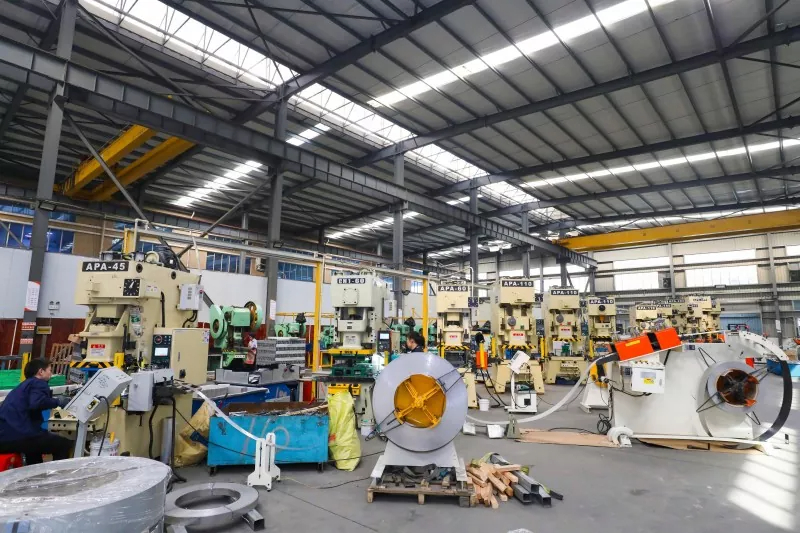
Price tags alone rarely tell the full story. A solar supplier that’s worth your trust will be eager to share the details most vendors gloss over—like exactly where the panels are manufactured, which inverters they pair them with, and how their warranty process actually works when something goes wrong. If they avoid questions or give vague answers about component sourcing, it’s usually a sign their supply chain isn’t as stable as they claim.
Certifications are nice on paper, but they mean more when you can see them in action. Look for companies that don’t just list IEC standards on a brochure but invite you to visit operational sites or connect you with past clients without hesitation. A supplier with deep roots will have installations that speak for themselves—quietly performing year after year, in real weather, under real loads.
The final test often happens after the panels are mounted. A reliable partner sticks around to monitor system health, offers straightforward maintenance plans, and doesn’t sidestep responsibility when a component fails. Financial stability matters here too: if a supplier disappears in five years, even the best warranty is worthless. Ask how long they’ve been in business and whether they handle after-sales directly or outsource it entirely.
The Hidden Costs of Poor Solar System Design
A poorly designed solar system doesn't just underperform—it quietly drains your wallet long after installation. The most obvious hidden cost is lost energy production. When panels are set at the wrong tilt, shaded by overlooked trees, or paired with a string inverter that cripples the entire array because of one weak panel, the system never reaches its potential. Over 25 years, that nominal 5% efficiency loss compounds into thousands of dollars of missed savings, turning your investment into a slow leak.
Then there are the maintenance nightmares that come from corners cut during design. Inadequate waterproofing leads to roof leaks that damage your home, while cheap mounting hardware corrodes or loosens from thermal cycling, requiring repairs that eat up any initial savings. Poor wire management invites squirrels and rats, causing shorts and fire hazards. These aren't just hypotheticals—they're predictable failures that a thoughtful design avoids, but a careless one guarantees.
Finally, consider the long-term cost of a system that ages badly. Mismatched components, like using panels with a different degradation rate than the inverter expects, create bottlenecks that accelerate wear. Without proper airflow, panels overheat, sapping efficiency and cutting years off their lifespan. A system should be a durable asset, but a bad design turns it into a source of stress and unexpected expenses, undoing the very promise of going solar.
How to Future-Proof Your Energy Independence
True energy independence doesn’t happen by accident—it’s built on smart planning and adaptable systems. One of the most powerful steps you can take is to combine decentralized power generation with robust storage. Solar panels on your roof are a great start, but pairing them with advanced battery storage ensures you have reliable electricity even when the grid stumbles. This approach turns your home into a mini power plant, giving you control over your energy supply regardless of external disruptions.
It’s also wise to look beyond just one energy source. Over-reliance on a single technology can leave you vulnerable if fuel prices spike or equipment fails. Consider how you might integrate multiple renewable sources—like solar, wind, or even small-scale geothermal—so your system stays resilient in varying weather and seasons. Diversifying not only boosts reliability but can also help you tap into local incentives or community energy programs that reward flexible generation.
Finally, future-proofing means staying informed and ready to adapt. Technologies evolve fast, and what’s cutting-edge today might be outdated in a decade. Design your setup with modularity in mind: choose components that can be easily upgraded or expanded as better options emerge. Building relationships with local installers and energy consultants can also give you early access to innovations and maintenance expertise, keeping your independence strong for the long haul.
Lessons from Top Ground Mount Installations Worldwide
Top-performing ground mount installations across the globe consistently show that site-specific design trumps cookie-cutter approaches. In regions like Rajasthan, India, where dust and high temperatures dominate, the most successful projects prioritize module tilt angles that maximize self-cleaning during monsoon rains, while in northern Germany, bifacial panels with elevated mounting structures capture reflected light from snow, turning a seasonal challenge into an energy gain. These nuanced adjustments, often overlooked in initial planning, prove critical for long-term yield and durability.
Another recurring insight is the value of adaptive foundation engineering. Projects in Japan’s mountainous terrain excel by using micro-piling and lightweight racking to minimize soil disturbance on steep slopes, while utility-scale farms in the Australian outback rely on driven piles with corrosion-resistant coatings to withstand expansive clay soils and extreme temperature swings. Instead of forcing a standard solution, these installations treat ground conditions as a defining factor, reducing maintenance costs and preventing structural failures over decades.
Finally, the best installations integrate local workforce development and supply chain resilience from day one. A large-scale project in South Africa succeeded not just because of its advanced tracking technology, but because it partnered with nearby communities for construction and ongoing vegetation management, creating a shared stake in the plant’s performance. Similarly, lessons from Chile’s Atacama Desert highlight how securing panel cleaning services and spare parts within a tight radius avoids downtime caused by remote logistics, turning a potential vulnerability into a competitive advantage.
Your Step-by-Step Roadmap to a Resilient Solar Setup
Building a solar setup that can weather real-world challenges starts with a clear-eyed assessment of your energy needs. Instead of just tallying up appliance wattages, think about the rhythm of your daily life: when do you pull the most power, and what would happen if the grid went down during peak hours? Jot down the essentials you can't live without—refrigeration, a well pump, medical devices—and map their usage patterns. This step sets the foundation for a system that won't just look good on paper but will actually hold up when it counts.
From there, it's about choosing components that play well together and can take a beating. Start with high-quality panels and pair them with a charge controller that leaves room for later expansion—undersizing here is a classic pitfall. Battery storage is the backbone of resilience; whether you lean toward lithium for longevity or flooded lead-acid for upfront savings, plan for enough capacity to cover multiple cloudy days. Don't overlook the wiring and breakers, either. Using properly rated, marine-grade materials can mean the difference between a system that thrives for years and one that fizzles out at the first sign of trouble.
Finally, the real secret to a solar setup that stays reliable is treating installation and upkeep as ongoing processes, not one-time events. Mounting panels securely—accounting for wind, snow, or seismic loads—and orienting them to catch low winter sun can dramatically boost year-round performance. Schedule regular check-ins: clean panel surfaces, tighten connections, and monitor battery health without waiting for error codes to pop up. By weaving these habits into your routine, you create a living energy system that adapts to your needs and the environment, quietly providing power even when the unexpected strikes.
FAQ
A trustworthy supplier should have proven experience with ground mount installations, offer robust mounting structures suited to your soil type and climate, and provide strong warranties on both materials and workmanship. Check if they handle engineering, permitting, and installation in-house for a smoother process.
Ground mount systems can be oriented and tilted perfectly for maximum sun exposure, often leading to higher energy yields. They also run cooler due to better airflow, which boosts panel efficiency. However, they require available land and may involve more ground preparation work.
Ideally, you need an unshaded, south-facing slope or flat area with stable soil. The ground should be free of large rocks or debris that could complicate foundation installation. Good drainage is also important to avoid water pooling around the racking system.
Ask for case studies of similar-sized ground mount projects and speak directly with past clients. Look for suppliers who have been in business for several years and hold certifications like NABCEP. A genuine supplier will be transparent about system performance data and maintenance records.
Galvanized steel and aluminum are top choices for corrosion resistance. In coastal or industrial areas, consider stainless steel or specially coated steel. The racking should be certified to withstand local wind and snow loads, and the supplier should provide engineering stamps for your region.
Yes, single-axis and dual-axis trackers can boost energy output by 15-45%, but they add complexity and maintenance. For large installations with high electricity rates or time-of-use billing, trackers often pay off. Discuss with your supplier whether the extra production justifies the upfront investment for your location.
Ground mount systems are easier to access for cleaning and inspections, but they may need more attention to keep vegetation from shading the panels. Regularly check for loose bolts, corrosion, and critter damage beneath the array. Most suppliers offer maintenance packages tailored to ground mount arrays.
Conclusion
Selecting the ideal ground mount solar provider is more than a purchasing decision—it's a commitment to decades of dependable energy. Unlike rooftop systems constrained by roof angle, shading, and structural limits, ground-mounted arrays unlock the full potential of your land, often delivering 20–30% higher yields thanks to optimal tilt and airflow cooling. Yet performance alone isn’t enough. A truly trustworthy supplier distinguishes itself through transparent engineering, rigorous component sourcing, and a track record of navigating local regulations without cutting corners. The difference between a system that hums along for 30 years and one that becomes a maintenance headache often lies in the design details you never see: soil analysis, wind load calculations, and thoughtful cable management. When these are overlooked, the hidden costs—from erosion damage to inverter failures—quickly erode any upfront savings.
Future-proofing your energy independence means looking beyond today’s utility rates. The best suppliers integrate battery compatibility, smart energy management, and expandable racking from day one, so your system evolves with your needs. Learning from global installations, we see that the most resilient setups aren’t necessarily the most expensive—they’re the ones where the provider treated the project like a partnership, educating the owner on performance monitoring and seasonal adjustments. Your roadmap starts with a brutally honest site survey, followed by clear simulations that map generation against your actual consumption curves, not just averages. Insist on a supplier who offers references from similar terrain, provides detailed single-line diagrams, and stands behind their work with performance guarantees. When done right, a ground mount solar system becomes not just a utility bill solution, but a silent, decades-long ally in a cleaner, more autonomous life.
Contact Us
Contact Person: Nancy
Email: [email protected]
Tel/WhatsApp: +86-13365923720
Website: https://www.topfencesolar.com/